

The era of the Internet of Things (IoT) has ushered in a new wave of smart appliances, with smart fridges standing at the forefront of this technological revolution. These advanced refrigerators are not just about keeping your food cold; they are about integrating cutting-edge technology into the heart of the home – the kitchen. Smart kitchens are becoming increasingly popular as they offer numerous health benefits, including better food management and improved hygiene. By incorporating smart appliances like fridges, ovens, and dishwashers, homeowners can create a more efficient and healthier cooking environment.
Key Takeaways
- Smart Fridges Features: Touchscreen interfaces, Wi-Fi connectivity, internal cameras, and integration with smart home systems.
- User Interaction: Enhanced with voice-activated controls, recipe browsing, and personalized user profiles.
- Food Management: Advanced features for expiration date tracking, grocery list synchronization, and efficient food preservation. Proper smart kitchen maintenance is essential to ensure these features work optimally. Regular cleaning, software updates, and timely repairs can help maintain the efficiency and longevity of your smart appliances. By following these maintenance tips, you can enjoy a hassle-free and well-organized kitchen.
- Energy Efficiency: Smart fridges contribute to energy savings with intelligent monitoring and automated settings.
- Design Trends: Focus on eco-friendly and sustainable designs, aligning with modern kitchen aesthetics.
The Evolution of Refrigerators: From Iceboxes to Smart Fridges
The journey from traditional iceboxes to today’s smart fridges highlights a significant transformation in how we store and manage our food. The modern smart fridge is a testament to this evolution, offering a combination of cooling efficiency and technological sophistication. The latest smart appliances are designed to seamlessly integrate into your kitchen, providing advanced features like voice control, remote monitoring, and energy-efficient operations. These innovations not only enhance the functionality of your kitchen but also contribute to a more sustainable lifestyle.
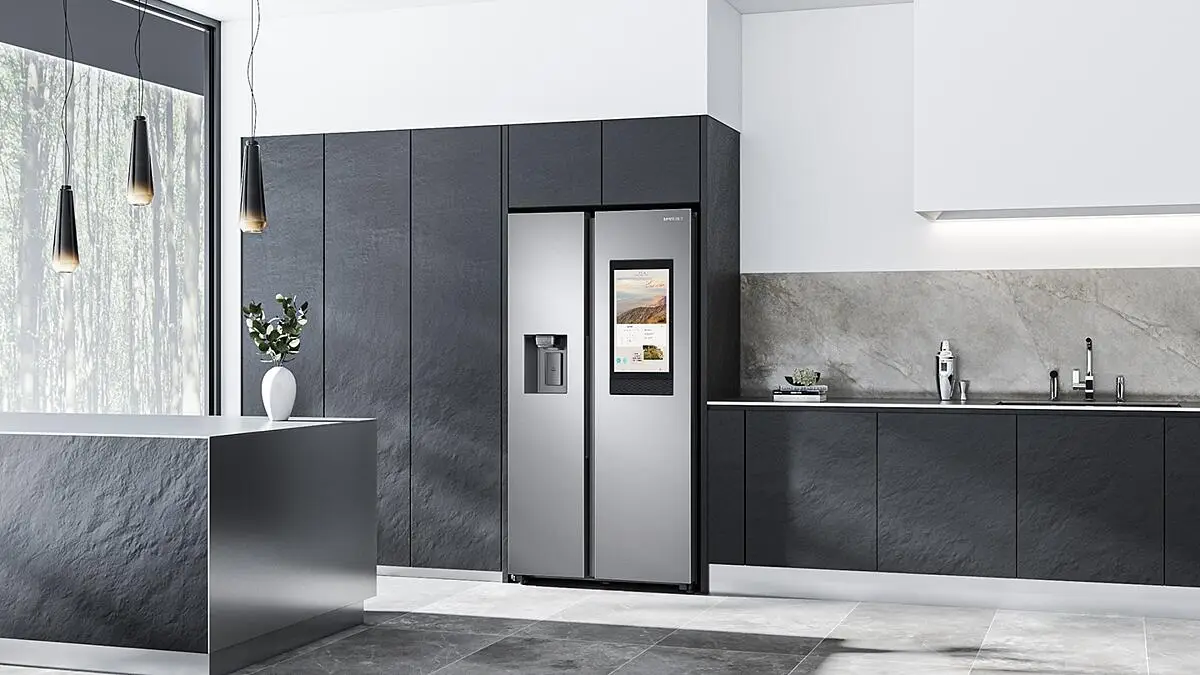
Understanding Smart Fridges: Definition and Basic Features
A smart fridge is more than just a place to store food. It’s a technologically advanced appliance that offers:
- Touchscreen Interface: A digital control panel for easy access to fridge functions.
- Wi-Fi Connectivity: Allows the fridge to connect to the internet and integrate with other smart devices.
- Internal Cameras: Enable users to view the contents of their fridge remotely.
The Role of IoT in Revolutionizing Kitchen Appliances
The integration of IoT in kitchen appliances has made kitchens more interactive and efficient. Smart fridges are at the center of this revolution, offering features that were once considered futuristic.
Why Smart Fridges are Gaining Popularity
The popularity of smart fridges is due to their ability to make life easier and more efficient. They offer convenience, energy savings, and a level of customization that fits the modern lifestyle.
Advanced Technological Features of Smart Fridges
Smart fridges come packed with a range of features that set them apart from traditional refrigerators:
| Feature | Description |
| Customizable Temperature Control | Adjust different compartments to specific temperatures. |
| Interior Cameras | Check contents remotely via a smartphone app. |
| Smart Home Integration | Sync with other smart devices for a cohesive home experience. |

User Interface and Interaction
The user interface of smart fridges is designed for ease and convenience:
Touchscreen Capabilities
- Interactive Displays: Manage fridge settings and view information.
- Recipe Browsing: Access recipes and cooking instructions directly from the fridge door.
Personalized User Profiles and Notes
- Custom Profiles: Each family member can have personalized settings and notes.
- Digital Whiteboard: Leave messages and reminders for family members.
Smart Storage and Food Management
Smart fridges excel in managing and preserving food:
Expiration Date Tracking and Notifications
- Automated Alerts: Receive notifications for food items nearing their expiration date.
Grocery List Synchronization with Smartphones
- Real-Time Updates: Sync your grocery list with your fridge’s inventory for efficient shopping.
Food Preservation Technologies
- Advanced Cooling: Maintain optimal freshness and extend the shelf life of food items.

Energy Efficiency and Sustainability
Smart fridges are not just smart in functionality but also in energy usage:
Energy Monitoring and Automatic Settings
- Reduced Energy Consumption: Smart sensors adjust settings to optimize energy use.
Eco-Friendly Design Trends
- Sustainable Materials: Many smart fridges are made with eco-friendly materials, aligning with modern design trends.
Safety and Security in Smart Fridges
With advanced technology comes the need for enhanced security:
Concerns about Hacking and Data Security
- Secure Connections: Ensuring that your smart fridge is protected against unauthorized access.
Safety Features and Parental Controls
- Child Locks and Alerts: Keep children safe and prevent accidental changes to fridge settings.

Future Trends and Innovations in Smart Fridge Design
The future of smart fridges is exciting, with potential features like:
Predictions for Future Features
- AI Integration: Anticipate user needs and automate tasks.
- Machine Learning: Adapt and improve functionality based on user behavior.
The Impact of AI and Machine Learning
- Personalized Experiences: Tailor functions and suggestions based on individual preferences.
Design Features of Smart Fridges
Smart fridges are not just technologically advanced; they also boast smarter design choices that cater to modern lifestyle needs.
See-Through Panels and Beverage Doors
- Convenience: Glance inside without opening the door.
- Efficiency: Access frequently used items quickly, reducing energy loss.
Smart Zones and Temperature Control
- Versatility: Switch compartments from freezer to fridge mode.
- Customization: Set different temperatures for different food types.

Drawbacks and Considerations
While smart fridges offer numerous benefits, there are some considerations to keep in mind:
Cost and Repair
- Higher Price Range: Smart fridges can be significantly more expensive than traditional models.
- Repair Costs: More features could mean higher costs for repairs.
Internet Dependency
- Connectivity Issues: Requires a stable internet connection.
- Security Concerns: Potential risks of hacking and data breaches.
FAQs About Smart Fridges
Let’s address some common questions about smart fridges:
Cost-Benefit Analysis: Consider the features you need and the long-term savings on energy and food wastage.
Automated Energy Management: Smart sensors adjust settings to optimize energy use.
Compatibility: Many models can connect with smart home systems for a cohesive experience.
Data Security: Ensure secure Wi-Fi connections and regular software updates.
- Regular Updates: Keep the software updated.
- Professional Assistance: Seek expert help for technical issues.
The Future of Smart Fridges
The future of smart fridges is likely to see even more advanced features and integration:
AI and Machine Learning
- Predictive Analytics: Anticipate user needs and preferences.
- Automated Adjustments: Adapt settings based on usage patterns.
Personalized Experiences
- Customized Suggestions: Offer recipe ideas based on fridge contents.
- Interactive Interfaces: Enhanced user engagement with more intuitive controls.
Related Posts

Future Kitchen Technologies: Revolutionizing Home Cooking and Design
The kitchen, often considered the heart…


Tech-Advanced Kitchen Design: The Future of Culinary Spaces
The kitchen, traditionally the heart of…