

In the realm of home improvement, Eco Kitchen Remodeling stands out as a significant trend, combining aesthetics with environmental responsibility. This approach not only enhances the visual appeal of your kitchen but also contributes to a healthier planet. Here, we delve into the various aspects of eco-friendly kitchen remodeling, offering insights and practical tips to transform your kitchen into a sustainable, energy-efficient space.
Key Takeaways
- Eco Kitchen Remodeling focuses on using sustainable materials and energy-efficient appliances.
- It involves water conservation techniques and waste reduction strategies.
- The trend incorporates the latest design innovations for functionality and style.
- Budgeting and professional guidance are crucial for successful eco-friendly remodeling.
Understanding Eco Kitchen Remodeling
Eco-friendly kitchen remodeling goes beyond mere aesthetics. It’s about making conscious choices that reduce environmental impact. This involves selecting materials and appliances that are sustainable, energy-efficient, and have a minimal carbon footprint.
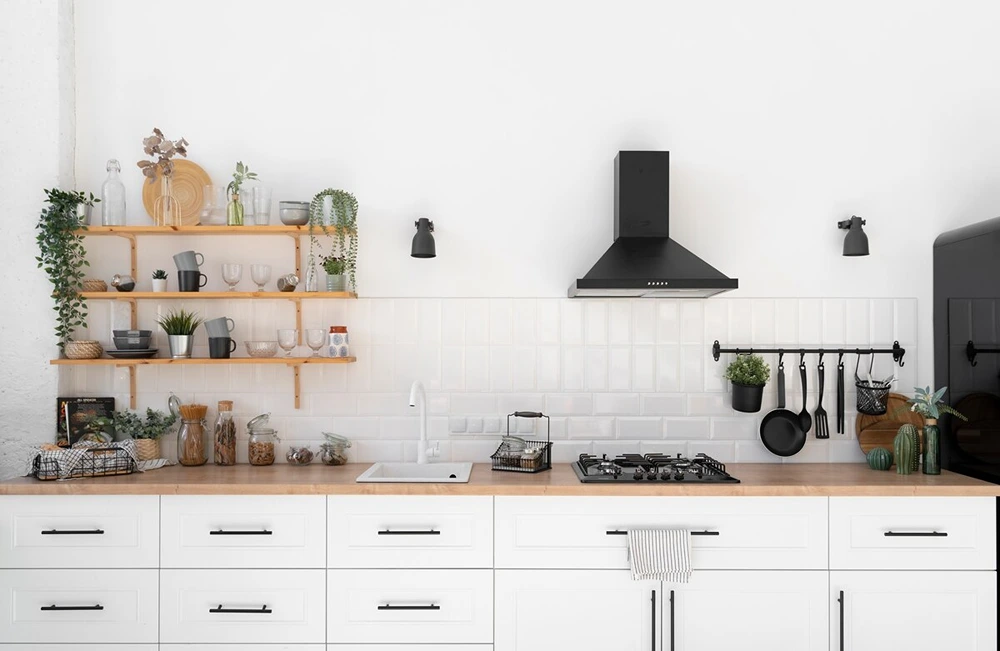
Sustainable Materials for Eco-Friendly Kitchens
When it comes to materials, the focus is on sustainability. This includes:
- Recycled or reclaimed wood for cabinetry and flooring.
- Countertops made from recycled glass or composite materials.
- Non-toxic paints and finishes that are low in volatile organic compounds (VOCs).
Benefits of Using Eco-Friendly Materials
- Reduced environmental impact: Sustainable materials often have a lower carbon footprint.
- Healthier living space: Non-toxic materials improve indoor air quality.
- Long-term durability: Many eco-friendly materials are highly durable, ensuring longevity.
Energy-Efficient Appliances and Lighting
The heart of an eco-friendly kitchen lies in its appliances and lighting choices.
Selecting Energy-Efficient Kitchen Appliances
- Refrigerators: Opt for models with high Energy Star ratings. Modern energy-efficient refrigerators use significantly less energy compared to older models.
- Dishwashers: Choose dishwashers that consume less water and energy. Look for features like soil sensors and efficient water jets.
- Cooking appliances: Induction cooktops and convection ovens are more efficient than traditional models.
Advantages of LED and Natural Lighting
- LED lighting: It consumes up to 75% less energy and lasts 25 times longer than traditional incandescent lighting.
- Natural lighting: Incorporating windows and skylights reduces the need for artificial lighting during the day.
Water Conservation Techniques in Kitchen Design
Water conservation is a critical aspect of eco-friendly kitchens.
Innovative Water-Saving Fixtures
- Faucets: Install low-flow faucets to reduce water usage without compromising performance.
- Dishwashers: Newer models are designed to use less water per cycle.
Importance of Water Efficiency
- Reduced utility bills: Lower water usage translates to cost savings.
- Environmental impact: Conserving water helps in reducing the strain on water resources.
Waste Reduction and Recycling Solutions
An eco-friendly kitchen also focuses on reducing waste.
Implementing Composting Systems
- Built-in compost bins: These can be integrated into the kitchen design for easy disposal of organic waste.
Recycling Bins and Eco-Friendly Waste Management
- Dedicated recycling area: Designate a space in the kitchen for sorting and storing recyclables.
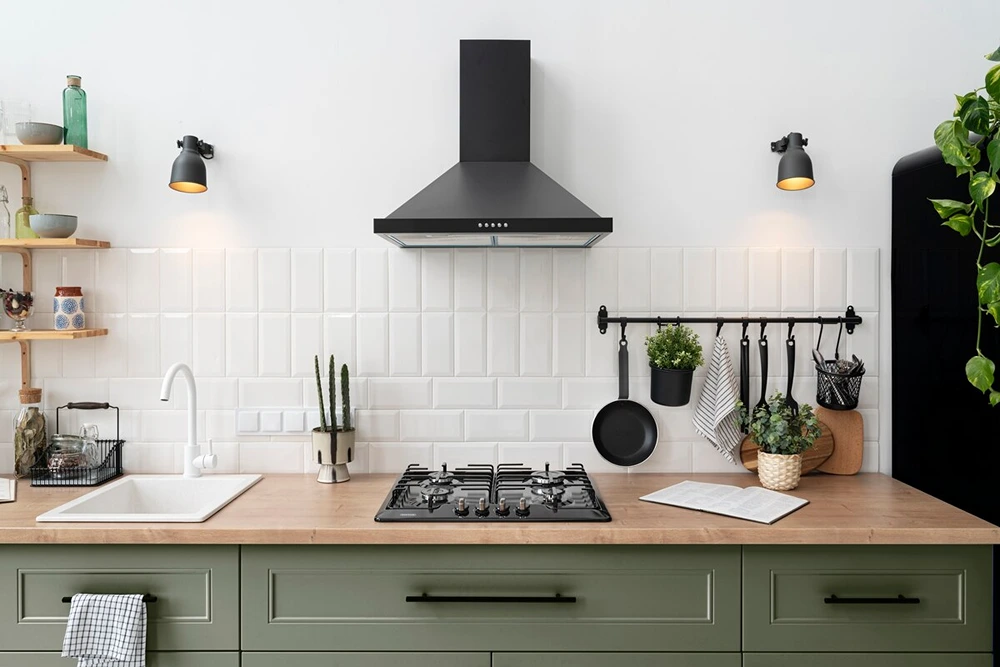
Design Trends in Eco Kitchen Remodeling
Eco-friendly kitchen design is not just about functionality but also about embracing current trends.
Latest Trends in Eco-Friendly Kitchen Designs
- Minimalist designs: Sleek, clutter-free kitchens with a focus on efficiency and simplicity.
- Natural elements: Incorporating plants and greenery for a fresh, organic feel.
Innovative Eco-Friendly Kitchen Features
- Smart kitchens: Integration of technology for energy management and convenience.
- Customizable options: Modular designs that allow for flexibility and personalization.
Practical Tips and Considerations
Planning and execution are key to successful eco-friendly kitchen remodeling.
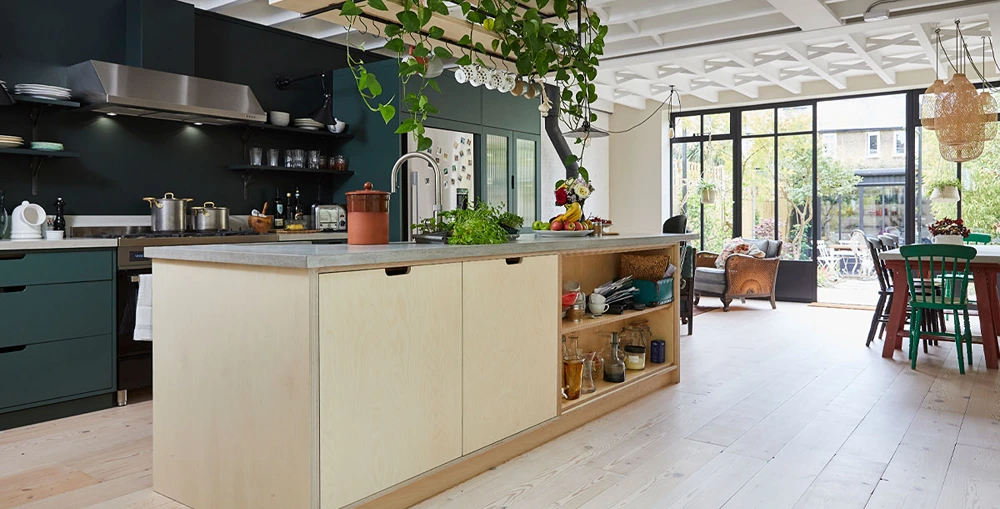
Budgeting for an Eco-Friendly Kitchen Remodel
- Cost-effective solutions: Explore options that offer sustainability without breaking the bank.
- Long-term savings: Consider the long-term energy and water savings when budgeting.
Choosing the Right Professionals
Selecting a team experienced in eco-friendly remodeling is crucial.
- Expertise in sustainable remodeling: Look for professionals with a track record in eco-friendly projects.
- Qualified and experienced professionals: Ensure they have the necessary skills and knowledge.

Water Conservation Techniques in Kitchen Design
Incorporating water-saving fixtures is a key component of eco kitchen remodeling. The U.S. Environmental Protection Agency’s WaterSense program offers a range of products that are both water-efficient and high-performing.
Innovative Water-Saving Fixtures
- Low-Flow Faucets: These faucets reduce water flow without compromising on performance.
- Efficient Dishwashers: Modern dishwashers use less water and are more energy-efficient.
Importance of Water Efficiency
- Environmental Impact: Conserving water helps preserve our planet’s vital resources.
- Cost Savings: Using less water leads to lower utility bills.
Waste Reduction and Recycling Solutions
Reducing waste is an integral part of eco-friendly kitchen design.
Implementing Composting Systems
- Built-in compost bins: These systems make it easy to dispose of organic waste responsibly.
Recycling Bins and Eco-Friendly Waste Management
- Dedicated recycling area: A specific area for sorting recyclables helps in efficient waste management.
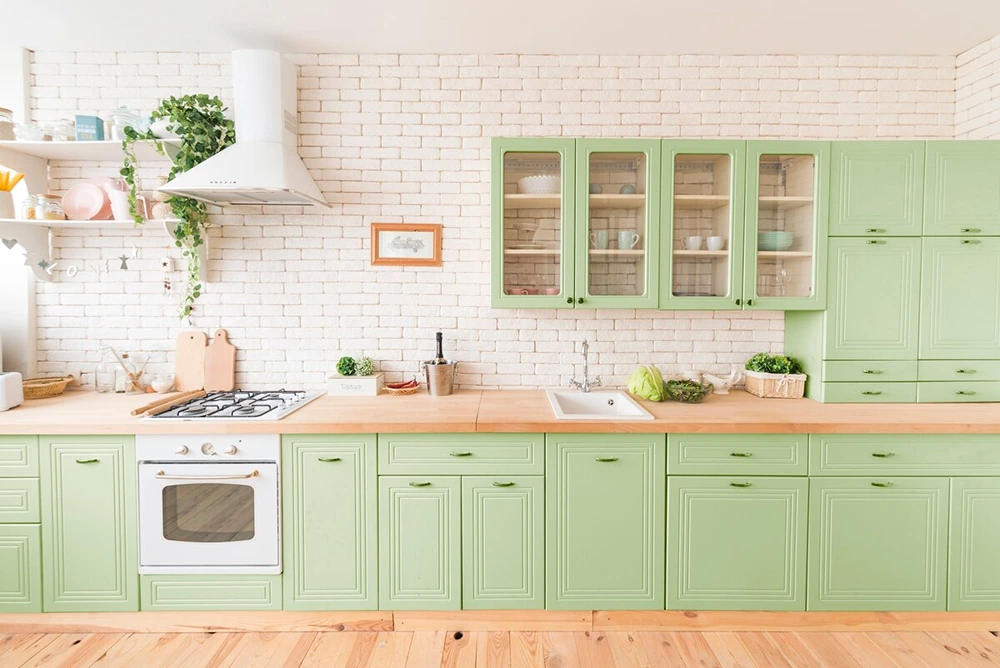
Design Trends in Eco Kitchen Remodeling
Eco-friendly kitchen design combines sustainability with the latest trends.
Latest Trends in Eco-Friendly Kitchen Designs
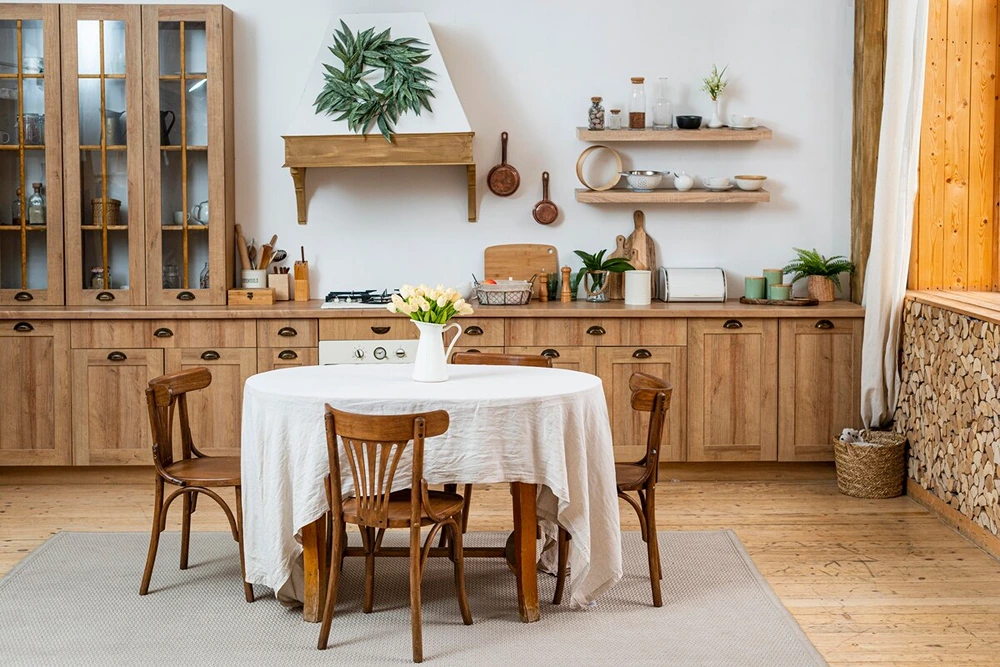
- Open Shelving: Reduces the use of materials and creates an airy feel.
- Natural Materials: Use of stone, wood, and bamboo adds a natural touch.
Innovative Eco-Friendly Kitchen Features
- Smart Appliances: These appliances offer greater efficiency and can be controlled remotely.
- Sustainable Flooring: Options like cork or reclaimed wood are both stylish and eco-friendly.
Practical Tips and Considerations
Effective planning is crucial for a successful eco-friendly kitchen remodel.
Budgeting for an Eco-Friendly Kitchen Remodel
- Cost-Effective Solutions: Explore affordable options that offer sustainability.
- Long-Term Savings: Consider the potential savings in energy and water bills.
Choosing the Right Professionals
Selecting a team with experience in eco-friendly remodeling is essential.
- Expertise in Sustainable Remodeling: Look for professionals with a proven track record.
- Qualified and Experienced Professionals: Ensure they have the necessary skills and knowledge.
Frequently Asked Questions
- Use of sustainable materials like recycled wood or bamboo.
- Energy-efficient appliances with high Energy Star ratings.
- Water-saving fixtures like low-flow faucets and efficient dishwashers.
- Waste reduction strategies, including composting and recycling systems.
- Choose materials that are renewable and have a low environmental impact.
- Opt for appliances that are energy-efficient and conserve water.
- Implement waste reduction practices like composting and recycling.
- Incorporate natural light and use LED lighting to reduce energy consumption.
- Lower energy bills due to increased efficiency.
- Reduced environmental impact through lower energy and water usage.
- Enhanced performance and modern features.
- Potential rebates and incentives for using energy-efficient appliances.
- Yes, while some eco-friendly options may have a higher upfront cost, they often lead to long-term savings through reduced utility bills.
- Many sustainable materials are durable, reducing the need for frequent replacements.
- Government incentives and rebates can offset some of the initial costs.
- Look for materials with sustainability certifications.
- Consider recycled or reclaimed materials for a lower environmental impact.
- Choose non-toxic paints and finishes to improve indoor air quality.
- Research the durability and maintenance requirements of different materials.
Related Posts

Future Kitchen Technologies: Revolutionizing Home Cooking and Design
The kitchen, often considered the heart…


Tech-Advanced Kitchen Design: The Future of Culinary Spaces
The kitchen, traditionally the heart of…