

The kitchen, traditionally the heart of the home, has undergone a significant transformation with the advent of smart technology. Today’s smart home kitchens are not just about cooking; they’re about creating an efficient, sustainable, and enjoyable cooking experience. This article delves into the various aspects of smart kitchen features, exploring how they’re changing the way we cook and interact with our kitchen space.
Key Takeaways:
- Smart kitchens integrate technology for enhanced functionality and convenience.
- Innovative appliances and design trends are central to the smart kitchen experience.
- Energy efficiency and sustainability are key benefits of smart kitchens.
- Advanced technologies like AI and voice activation are becoming commonplace.
- Smart kitchens face challenges like security concerns and installation costs.
Innovative Appliances in Smart Kitchens

The Rise of Smart Appliances
Smart appliances are at the forefront of the smart kitchen revolution. These devices, ranging from smart refrigerators to voice-activated ovens, offer a level of convenience and efficiency previously unattainable. For instance, a smart fridge can keep track of your groceries, suggest recipes based on the ingredients you have, and even order groceries for you.
Table: Examples of Smart Kitchen Appliances
| Appliance | Functionality |
| Smart Refrigerator | Inventory management, recipe suggestions |
| Smart Oven | Remote control, preheat settings |
| Smart Dishwasher | Energy-efficient cycles, remote start |
| Smart Coffee Maker | Customizable brewing, remote operation |
Energy Efficiency and Sustainability
Smart appliances are not just about convenience; they’re also about reducing energy consumption and promoting sustainability. Many smart kitchen devices come with energy-saving features, like efficient cooking modes and better insulation, which help reduce electricity usage.
Smart Kitchen Design Trends
Integrating Technology with Aesthetics
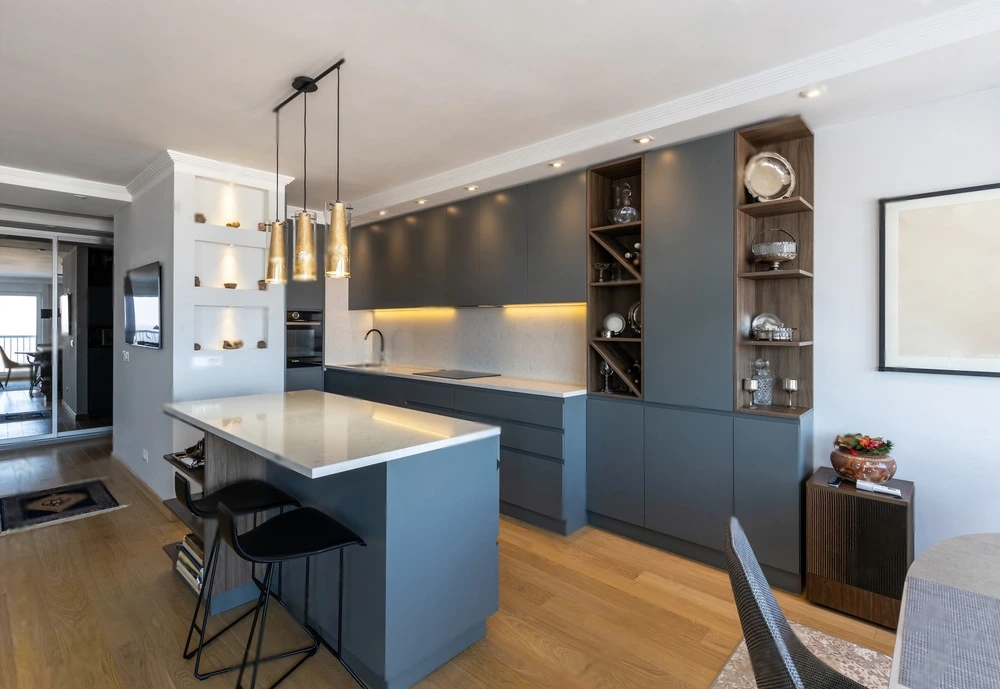
The design of smart kitchens is evolving to seamlessly integrate technology without compromising on aesthetics. This involves hidden screens, built-in appliances, and surfaces that respond to touch or gestures. The goal is to create a kitchen that is both functionally advanced and visually appealing.
Table: Smart Kitchen Design Elements
| Element | Description |
| Hidden Screens | Integrated screens that appear only when needed |
| Built-in Appliances | Appliances that blend into the kitchen design |
| Responsive Surfaces | Countertops that respond to touch or gestures |
Personalization and User Experience
Smart kitchens are increasingly personalized. This means that appliances and systems can learn from your habits and preferences to create a more tailored kitchen experience. For example, a smart oven can learn your cooking habits and suggest recipes that you might enjoy.
Advanced Smart Kitchen Technologies
Voice-Activated Kitchen Controls
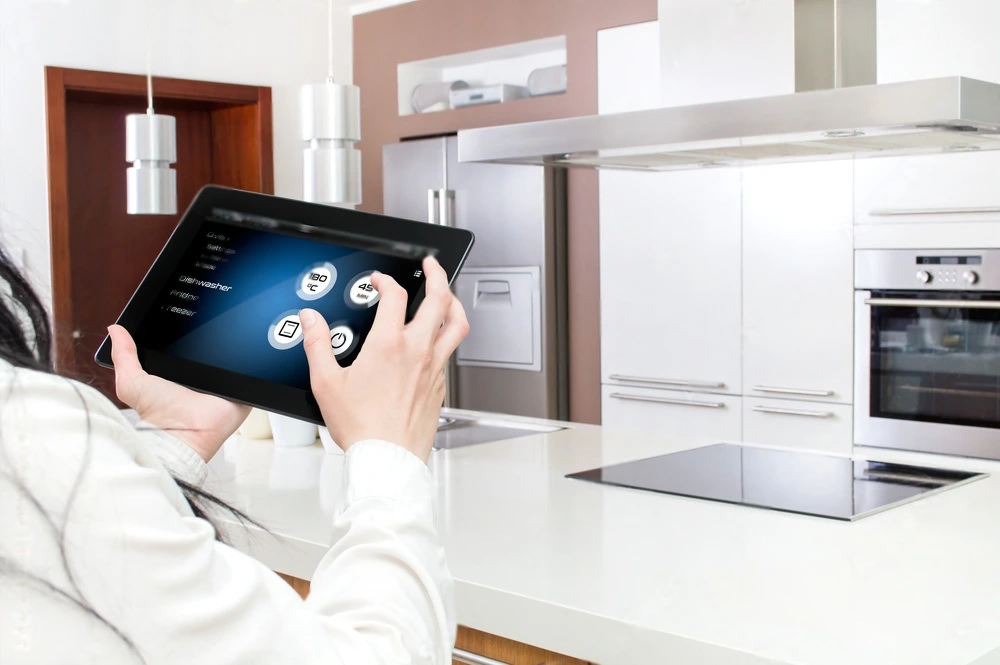
Voice control is becoming a staple in smart kitchens. The rise of voice-controlled kitchen gadgets has revolutionized how we interact with our kitchen appliances. These gadgets allow for hands-free operation, making cooking and kitchen management more convenient and efficient. This technology allows you to control various aspects of your kitchen using voice commands. For example, you can ask your smart assistant to preheat the oven, play music, or set a timer, all hands-free.
AI and Machine Learning in the Kitchen. The integration of AI and machine learning is a hallmark of tech-advanced kitchen design. These technologies enable appliances to learn from user habits and optimize their functionality, making kitchens more efficient and user-friendly.
Artificial Intelligence (AI) and Machine Learning are making kitchens smarter and more intuitive. AI can suggest recipes based on your dietary preferences and past cooking history, while machine learning algorithms can optimize energy use and cooking times for better efficiency.
Integration with Home Automation Systems
Smart kitchens are often part of a larger home automation system. The integration of automated kitchen systems allows for centralized control of not just kitchen appliances but also lighting, heating, and security systems, creating a cohesive and intelligent home environment. This integration allows for centralized control of not just kitchen appliances but also lighting, heating, and security systems, creating a cohesive and intelligent home environment.
Practical Benefits and Challenges
Enhancing the Cooking Experience
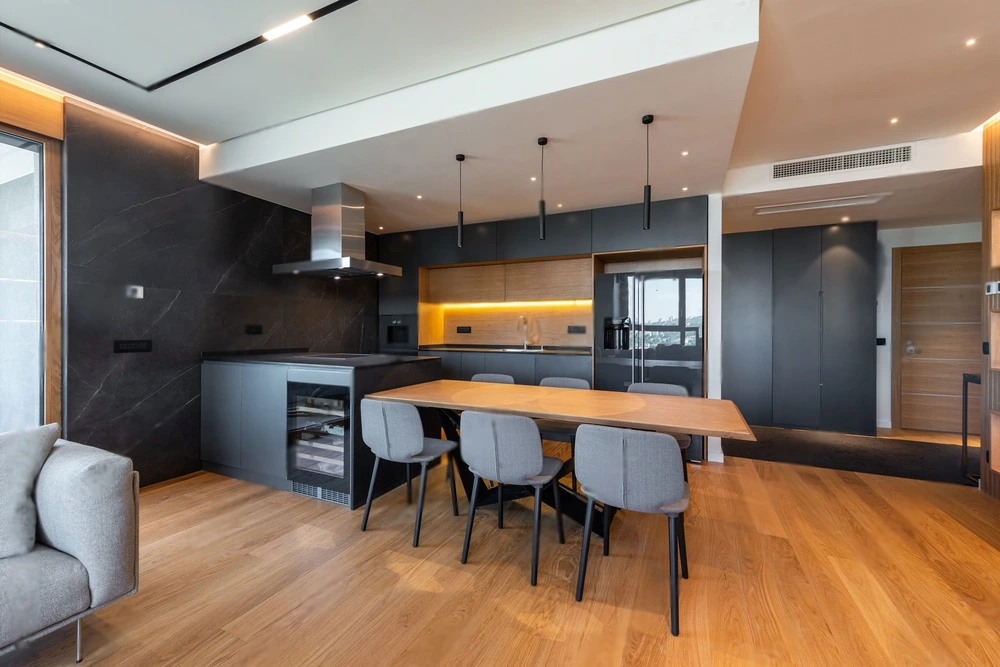
Smart kitchen features significantly enhance the cooking experience. They make cooking more convenient, less time-consuming, and more enjoyable. For instance, smart ovens can automatically adjust cooking times and temperatures based on the dish, ensuring perfect results every time.
Security and Privacy Concerns
With the increasing connectivity of kitchen appliances, security and privacy concerns are more relevant than ever. It’s important for manufacturers to prioritize these aspects, ensuring that users’ data is protected and that the devices are secure against unauthorized access.
Cost and Installation of Smart Kitchen Features
While smart kitchen features offer numerous benefits, they also come with higher costs and more complex installation processes. It’s important for homeowners to consider these factors when deciding to upgrade to a smart kitchen.
Emerging Trends in Smart Kitchen Technology
Innovative Gadgets Transforming Kitchens
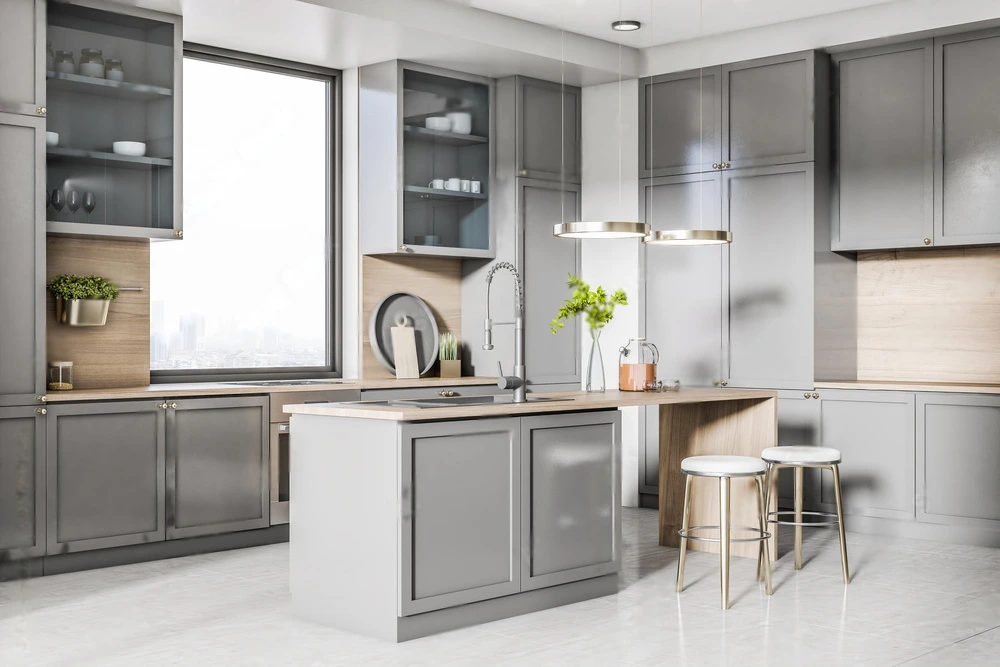
The smart kitchen market is constantly evolving, with new gadgets emerging that make cooking and kitchen management more efficient and enjoyable. From smart herb gardens to intelligent coffee machines, these gadgets are redefining the culinary landscape.
Table: Innovative Smart Kitchen Gadgets
| Gadget | Function |
| Smart Herb Garden | Automated plant growth with minimal effort |
| Intelligent Coffee Machine | Customizable brewing settings, remote operation |
| Smart Sous Vide Machine | Precision cooking with app control |
| Wi-Fi-Enabled Pressure Cooker | Remote monitoring and recipe downloading |
The Impact of Smart Kitchens on Lifestyle and Culture
Smart kitchens are not just changing the way we cook; they are also influencing our lifestyle and culture. These technologies encourage healthier eating habits, reduce food waste, and make cooking accessible to more people. They also foster a culture of convenience and efficiency, where meal preparation is no longer a chore but an enjoyable experience.
Frequently Asked Questions About Smart Home Kitchens
- Voice-activated devices
- AI-powered cooking assistants
- Smart refrigerators with inventory tracking
- Energy-efficient, programmable appliances
- They optimize energy usage.
- Reduce food waste through better inventory management.
- Promote the use of sustainable appliances.
- Yes, for the convenience and efficiency they offer.
- They can increase the value of a home.
- Long-term savings on energy bills and food waste.
Many smart kitchen devices can be integrated with broader home automation systems for centralized control.
- Potential for data breaches and hacking.
- Importance of securing home networks and using devices with robust security features.
Related Posts

Future Kitchen Technologies: Revolutionizing Home Cooking and Design
The kitchen, often considered the heart…


Tech-Advanced Kitchen Design: The Future of Culinary Spaces
The kitchen, traditionally the heart of…