

The kitchen, often referred to as the heart of the home, is undergoing a significant transformation. With a growing emphasis on sustainability, eco kitchen design trends are rapidly gaining popularity. These trends not only contribute to a healthier planet but also offer efficient, cost-effective solutions for homeowners. In this article, we explore the key aspects of eco-friendly kitchen design, integrating sustainable materials, energy-efficient appliances, and water conservation techniques to create a space that is both stylish and environmentally conscious.
Key Takeaways:
- Emphasis on using sustainable materials like reclaimed wood and recycled glass.
- Integration of energy-efficient appliances and LED lighting for reduced energy consumption.
- Adoption of water conservation methods, including low-flow faucets and water recycling systems.
- Incorporation of biophilic design elements to connect the indoor space with nature.
- Focus on minimalist and functional design for a clutter-free, efficient kitchen space.
Sustainable Materials and Finishes: The Foundation of Eco Kitchens
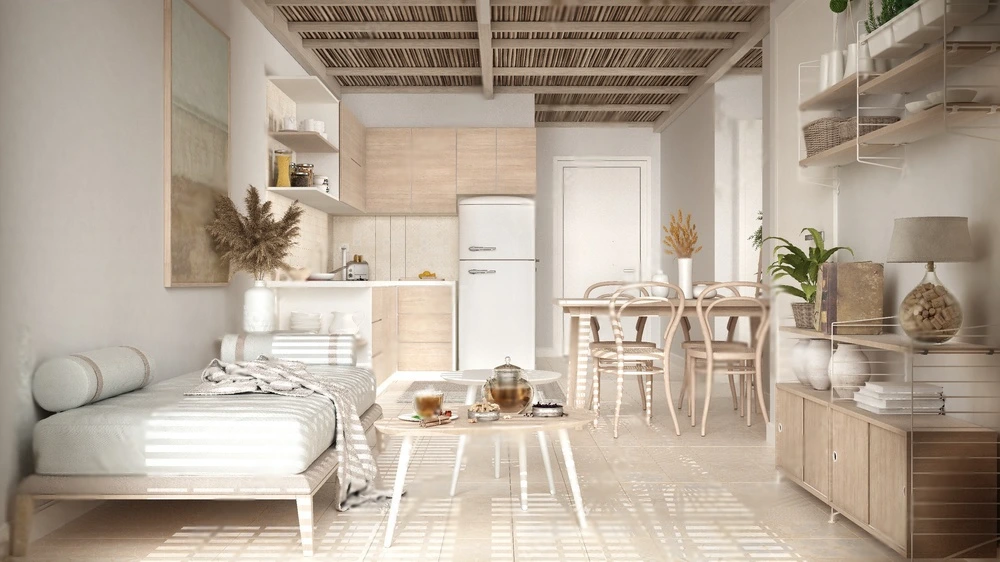
Reclaimed Wood: A Touch of Nature and History
Reclaimed wood has become a cornerstone in eco kitchen design, offering a unique blend of aesthetic appeal and environmental responsibility. By reusing wood from old buildings, barns, and other structures, this approach significantly reduces the demand for new timber, thereby conserving forests and reducing carbon emissions associated with logging and transportation.
Recycled Glass and Metals: Turning Waste into Wonder
The use of recycled glass and metals in countertops, backsplashes, and cabinet hardware is a testament to the innovative spirit of eco kitchen design. These materials not only reduce landfill waste but also require less energy to produce compared to their new counterparts.
Low-VOC Paints: A Breath of Fresh Air
Low-VOC (Volatile Organic Compounds) paints are essential in creating a healthier kitchen environment. These paints minimize the release of harmful chemicals into the air, ensuring better air quality and reducing the risk of health problems associated with traditional paints.
Energy-Efficient Appliances and Lighting: Reducing the Carbon Footprint
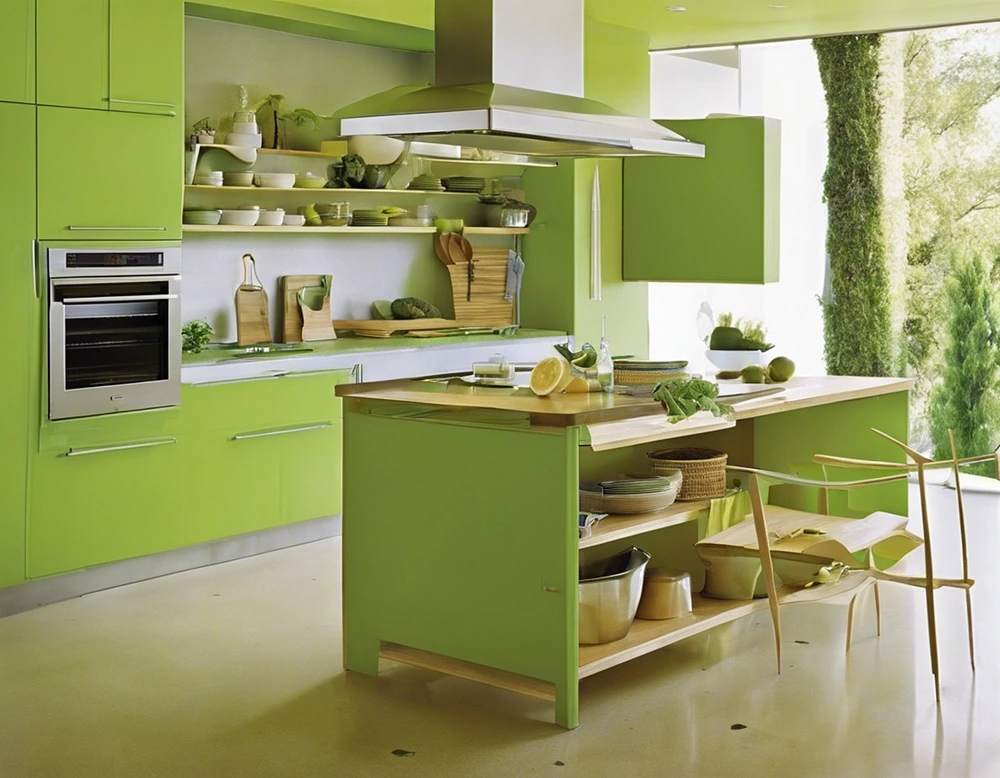
Energy Star Rated Appliances: Efficiency at Its Best
Energy Star rated appliances are a hallmark of eco-friendly kitchens. These appliances, including refrigerators, dishwashers, and ovens, are designed to use less energy and water, leading to lower utility bills and a smaller carbon footprint.
LED Lighting Solutions: Brightening Kitchens Sustainably
LED lighting is another critical component of eco kitchen design. These lights consume significantly less energy than traditional bulbs and have a longer lifespan, making them a cost-effective and environmentally friendly choice.
Eco-Friendly Storage Solutions: Organizing with a Conscience
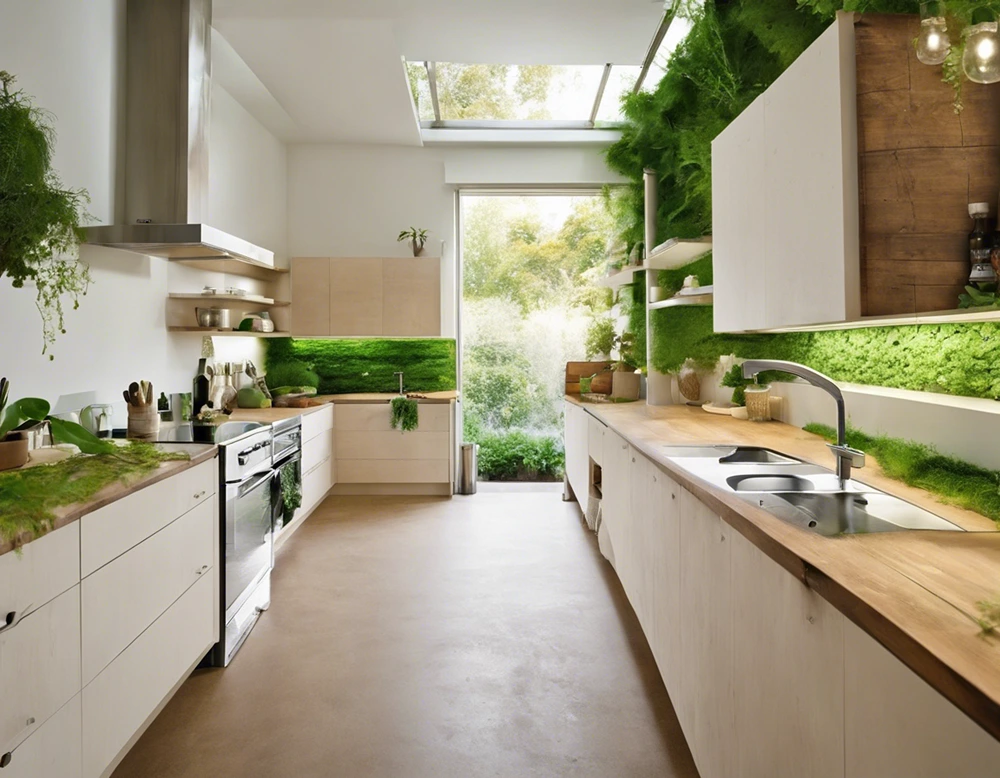
Bamboo and Cork Storage Options: Sustainable and Stylish
Bamboo and cork are rapidly renewable resources that make excellent materials for kitchen storage solutions. These materials are not only durable but also bring a warm, natural aesthetic to the kitchen.
Modular and Multi-Use Designs: Maximizing Space and Resources
Modular and multi-use designs are gaining traction in eco kitchen design. These solutions allow for flexible use of space and adaptability, reducing the need for additional furniture and minimizing waste.
Water Conservation Techniques: Preserving Our Most Precious Resource
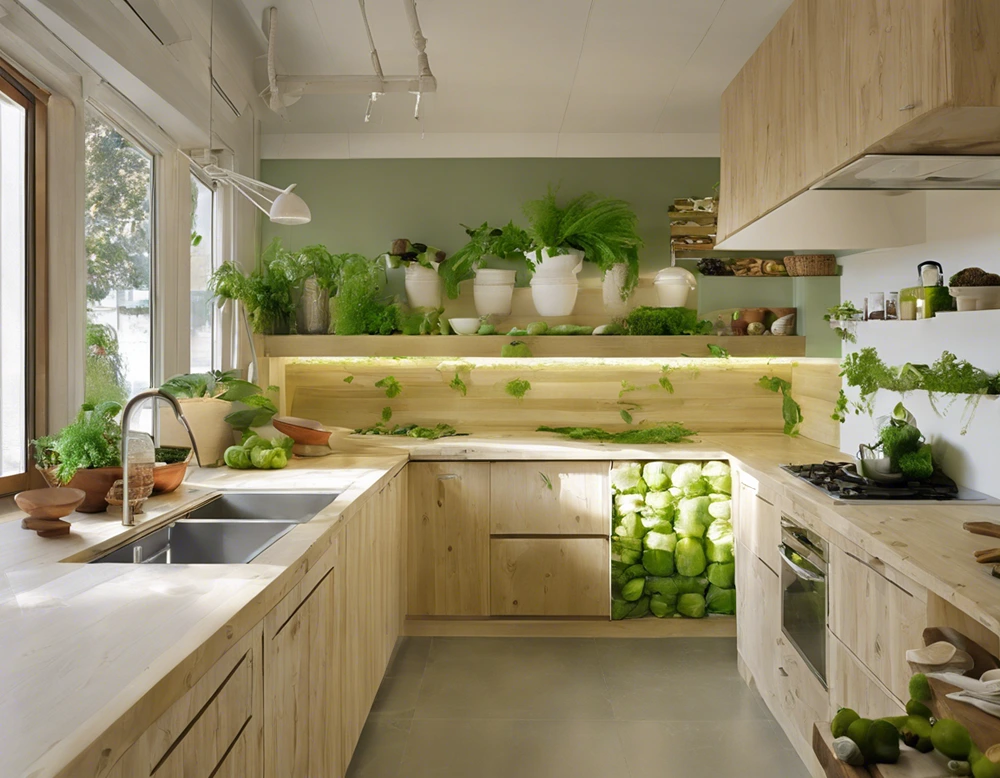
Low-Flow Faucets: A Small Change with Big Impact
Low-flow faucets are an easy yet effective way to conserve water in the kitchen. According to the U.S. Environmental Protection Agency (EPA), these fixtures can significantly reduce water usage without compromising performance.
Water Recycling Systems: The Future of Water Efficiency
Water recycling systems, though still emerging in residential settings, offer a promising solution for reducing water consumption in kitchens. These systems capture and reuse greywater for non-potable purposes, such as watering plants.
Innovative Eco Kitchen Technologies: The Cutting Edge of Sustainability
Smart Kitchen Gadgets: Convenience Meets Conservation
Smart kitchen gadgets, like energy-efficient cooktops and programmable appliances, are at the forefront of eco kitchen technology. These devices not only make cooking and kitchen management more convenient but also help in conserving energy and reducing waste.
Sustainable Cooking Methods: Rethinking How We Cook
Sustainable cooking methods, such as induction cooking and solar-powered appliances, are gaining popularity in eco kitchens. These methods are not only energy-efficient but also help in reducing the overall environmental impact of cooking.
Design Aesthetics and Themes: Crafting a Connection with Nature
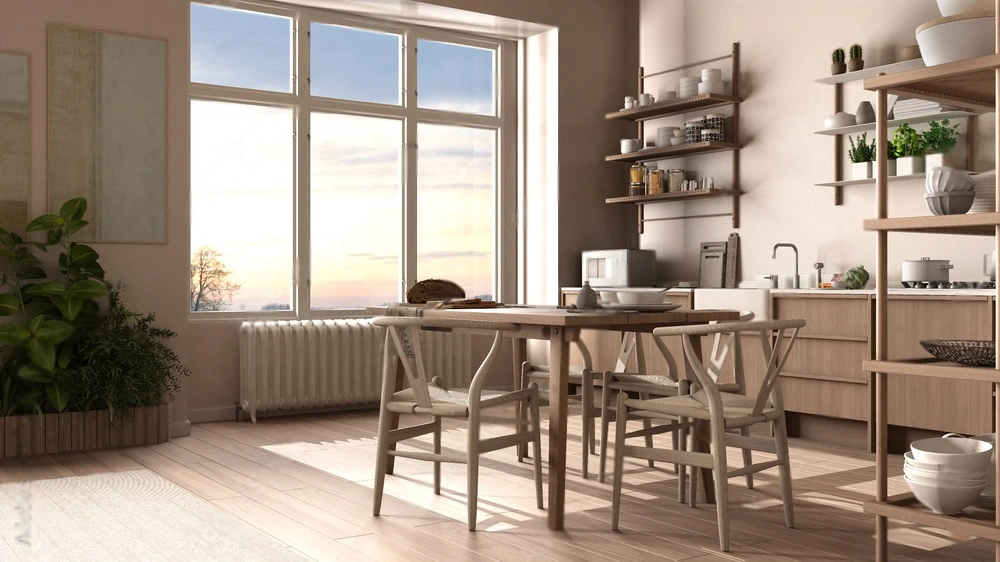
Natural Color Palettes and Textures: Earth’s Essence in Your Kitchen
Earth Tones: Bringing the Outdoors Inside
Utilizing earth tones in your kitchen design not only creates a calming and welcoming environment but also establishes a deep connection with nature. These colors, ranging from deep greens to warm browns, mirror the natural world and bring a sense of tranquility to your space.
Organic Textures: The Tactile Experience
Incorporating organic textures like stone, wood, or bamboo adds a tactile dimension to your kitchen. These materials not only look beautiful but also invite touch, enhancing the overall sensory experience of the space.
Biophilic Design Elements: Merging Nature with Functionality
Indoor Plant Integration: A Green Oasis
Integrating plants into your kitchen design is more than just an aesthetic choice; it’s a way to improve air quality and mental well-being. From potted herbs on the windowsill to a living wall, plants can transform your kitchen into a vibrant, living space.
Natural Light Maximization: Illuminating with the Sun
Maximizing natural light not only reduces the need for artificial lighting but also creates a healthier environment. Large windows, skylights, or strategically placed mirrors can help achieve this, making your kitchen a bright and energizing space.
Minimalist and Functional Design: The Art of Simplicity
Clutter-Free Spaces: Streamlined and Efficient
A minimalist approach to kitchen design focuses on functionality and simplicity. By reducing clutter and focusing on the essentials, you create a space that is both practical and aesthetically pleasing.
Multi-functional Furniture: Smart and Space-Saving
Incorporating multi-functional furniture in your kitchen design is a smart way to save space and resources. Items like extendable tables or modular storage units can adapt to your needs while maintaining a sleek, minimalist look.
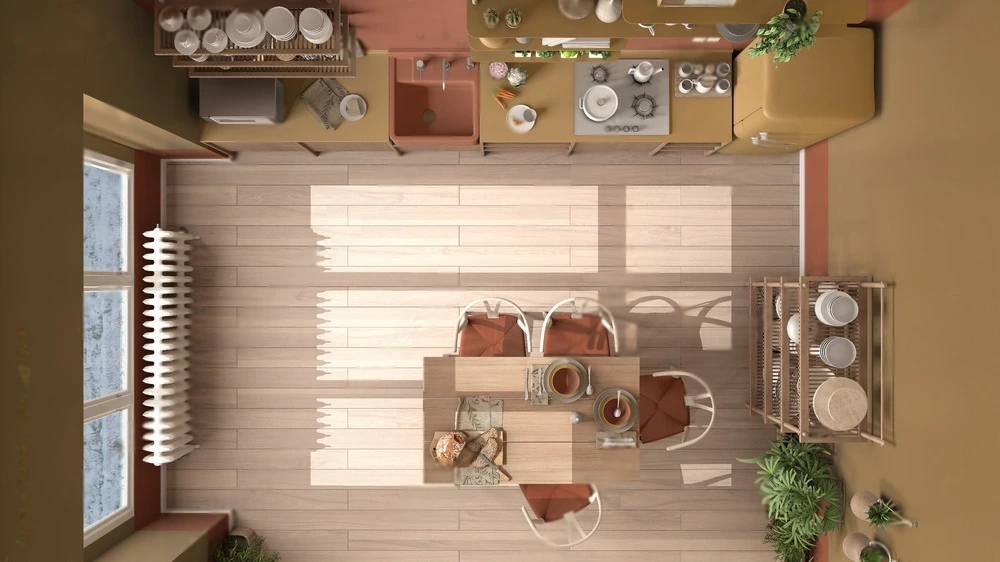
Planning and Implementing Eco Kitchen Designs
Steps to Plan an Eco-Friendly Kitchen
- Assess Your Needs: Understand your space and how you use your kitchen.
- Choose Sustainable Materials: Opt for materials like bamboo, cork, or recycled glass.
- Select Energy-Efficient Appliances: Look for Energy Star-rated products.
- Incorporate Water-Saving Fixtures: Install low-flow faucets and consider water recycling systems.
- Plan for Natural Light: Use windows and skylights to maximize sunlight.
Budgeting for Sustainability
- Prioritize: Focus on changes that offer the most significant environmental impact.
- Research Incentives: Look for tax credits or rebates for eco-friendly upgrades.
- Consider Long-Term Savings: Factor in the reduced utility costs over time.
Working with Eco-Friendly Designers and Contractors
- Seek Expertise: Choose professionals with experience in sustainable design.
- Communicate Your Goals: Ensure they understand your vision for an eco-friendly kitchen.
- Verify Credentials: Look for certifications or portfolios that demonstrate their commitment to sustainability.
Frequently Asked Questions
Bamboo, cork, reclaimed wood, and recycled glass are among the most sustainable choices.
Install Energy Star-rated appliances, use LED lighting, and maximize natural light.
Energy-efficient, smart appliances that can be controlled remotely are trending.
Absolutely! Modern eco kitchens blend sustainability with contemporary design elements.
Related Posts

Future Kitchen Technologies: Revolutionizing Home Cooking and Design
The kitchen, often considered the heart…


Tech-Advanced Kitchen Design: The Future of Culinary Spaces
The kitchen, traditionally the heart of…