

In the realm of home design, the kitchen stands as a central hub of activity and creativity. As environmental awareness grows, the concept of sustainable kitchen styles has gained significant traction. This approach not only contributes to a healthier planet but also offers a unique aesthetic and functional benefits. In this comprehensive guide, we delve into the various aspects of sustainable kitchen design, offering insights and practical tips for those looking to embrace this eco-friendly trend.
Key Takeaways:
- Sustainable kitchens focus on eco-friendly materials, energy efficiency, and water conservation.
- They incorporate aesthetic elements like natural color schemes and reclaimed materials.
- Innovative technologies play a crucial role in enhancing sustainability.
- Real-world case studies provide valuable insights into practical applications.
Understanding Sustainable Kitchen Styles
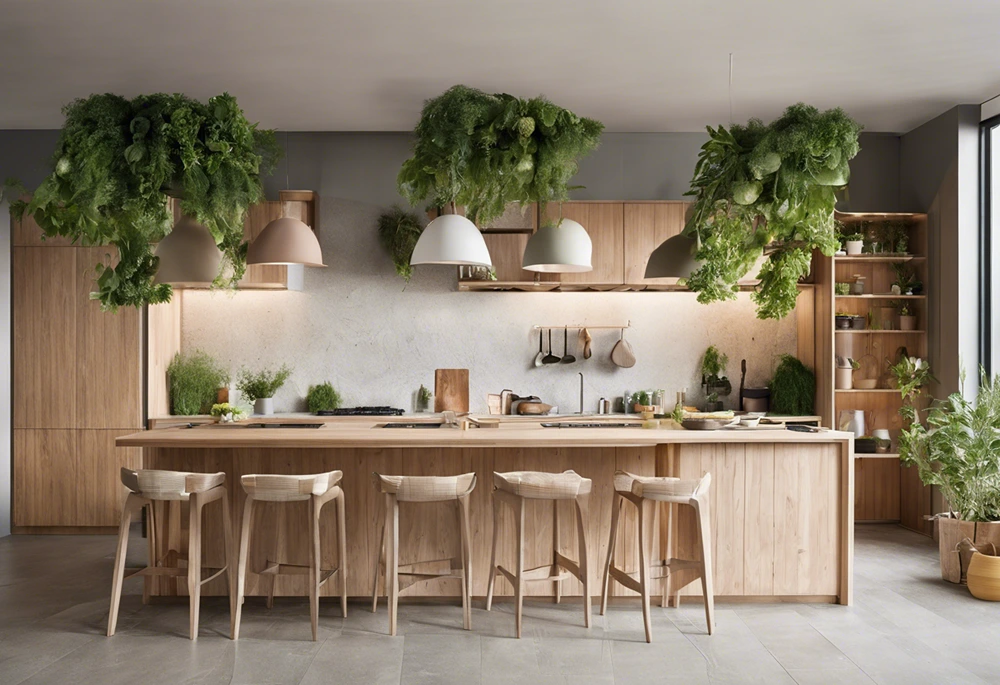
The Essence of Sustainable Kitchen Design
Sustainable kitchen design revolves around the use of materials and practices that have minimal environmental impact. This includes choosing eco-friendly materials, implementing energy-efficient appliances, and adopting water-saving techniques. The goal is to create a space that is not only functional and beautiful but also responsible and mindful of its ecological footprint.
Key Elements of Sustainable Kitchen Design
Eco-Friendly Materials
Sustainable kitchens prioritize materials that are renewable, recycled, or have low environmental impact. This includes options like bamboo, recycled glass, and sustainably sourced wood. The use of such materials helps reduce waste and supports a more circular economy.
Energy Efficiency and Sustainable Appliances
Energy-efficient appliances are a cornerstone of sustainable kitchens. These include refrigerators, ovens, and dishwashers that consume less energy, reducing the overall carbon footprint of the home. Additionally, LED lighting and smart home technologies contribute to further energy savings.
Water Conservation Techniques
Water conservation is another critical aspect of sustainable kitchens. This involves installing low-flow faucets, efficient dishwashers, and considering water recycling systems. Such measures not only save water but also reduce utility bills.
Aesthetic Aspects of Sustainable Kitchens
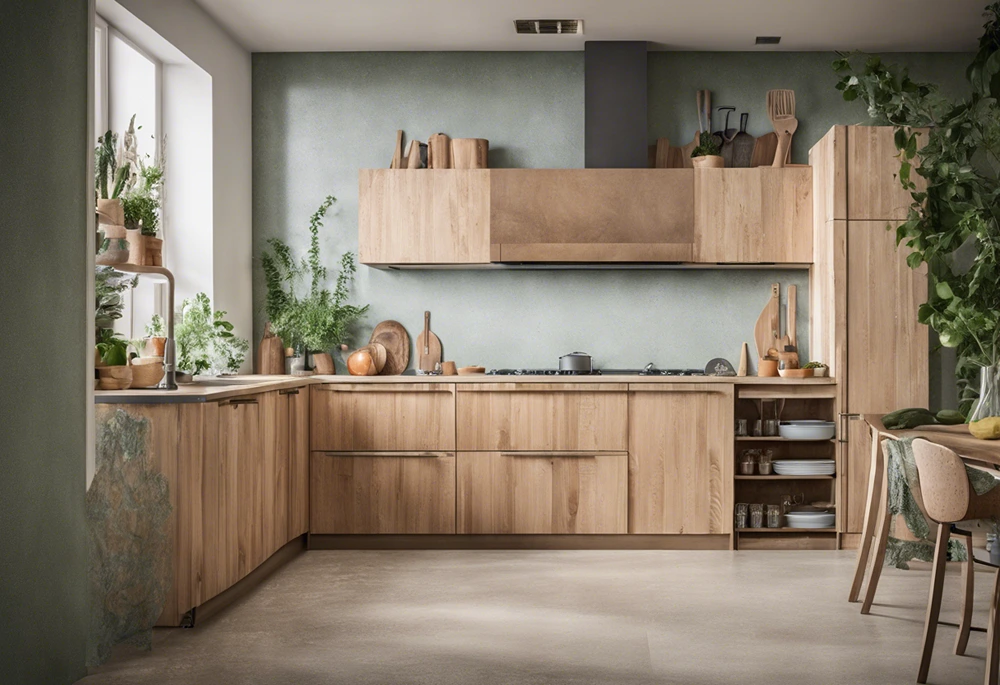
Sustainable kitchens are not just about functionality; they also offer a unique and appealing aesthetic. This includes the use of natural color schemes, textures, and materials that bring a sense of warmth and earthiness to the space. Incorporating elements like reclaimed wood or antique fixtures adds character and history to the kitchen, making it a truly unique space.
Innovative Sustainable Kitchen Technologies
Advancements in technology have made it easier to incorporate sustainability into kitchen design. Smart appliances that can be controlled remotely for optimal energy use, sustainable lighting solutions like LED and natural light maximization, and advanced recycling and composting systems are just a few examples of how technology is making sustainable kitchens more accessible and efficient.
Case Studies: Real-World Examples of Sustainable Kitchens
To understand the practical application of sustainable kitchen design, it’s helpful to look at real-world examples. These case studies showcase how homeowners and designers have successfully integrated sustainable practices into kitchen renovations and new builds. They provide valuable insights into the challenges and triumphs of creating a kitchen that is both beautiful and environmentally responsible.
Planning and Designing Your Sustainable Kitchen
Steps to Design a Sustainable Kitchen
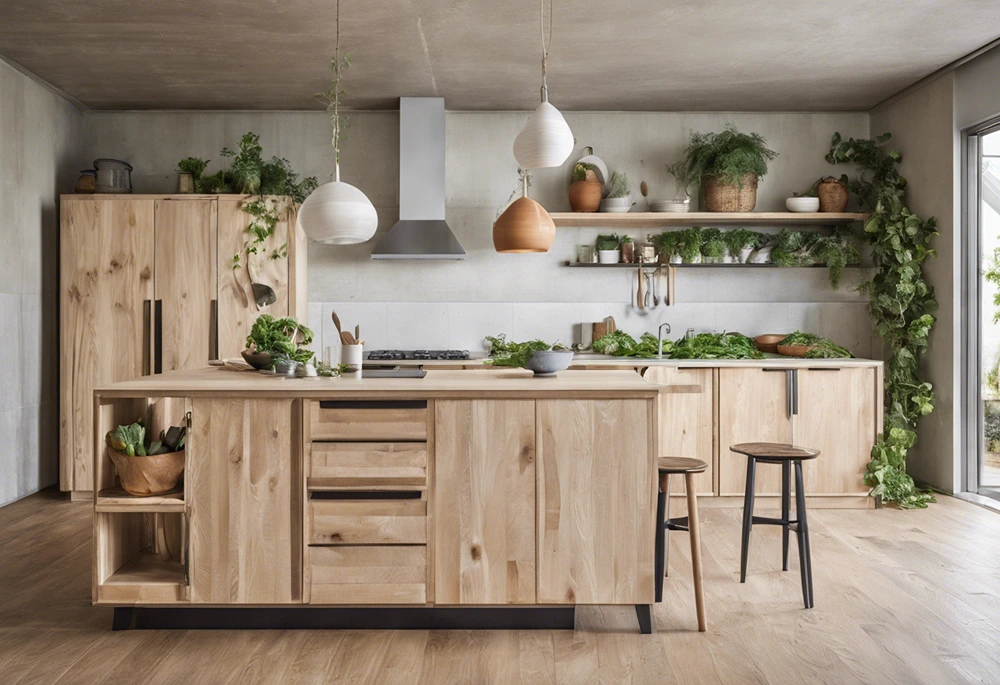
Designing a sustainable kitchen requires careful planning and consideration of various factors. This includes choosing the right materials, appliances, and layout to maximize efficiency and minimize environmental impact. It’s important to work with a designer who understands the principles of sustainable design and can guide you through the process.
Choosing Sustainable Building Materials
When selecting materials for your sustainable kitchen, it’s important to consider their source, manufacturing process, and lifecycle. Look for materials that are locally sourced, made from recycled content, or have a low environmental impact in terms of production and disposal. This not only reduces the carbon footprint of your kitchen but also supports sustainable practices in the industry.
Tips for Layout and Space Optimization
The layout of your kitchen plays a significant role in its sustainability. Efficient space planning can reduce the need for excessive materials and energy consumption. Consider aspects like natural light, ventilation, and workflow to create a space that is both functional and sustainable.
Cost Considerations and Budgeting for Sustainability
While sustainable kitchens can sometimes come with a higher upfront cost, they often lead to long-term savings. Energy-efficient appliances and durable materials can reduce utility bills and maintenance costs over time. It’s important to consider the long-term financial and environmental benefits when budgeting for your sustainable kitchen.
Sustainable Kitchen Maintenance and Upkeep
Maintaining a sustainable kitchen involves more than just cleaning and repairs. It’s about using eco-friendly cleaning products, properly caring for sustainable materials, and being mindful of energy and water usage. Regular maintenance ensures that your kitchen remains efficient and sustainable for years to come.
Future Trends in Sustainable Kitchen Design
As technology and materials evolve, so do the trends in sustainable kitchen design. We can expect to see more innovations in energy-efficient appliances, sustainable materials, and smart home technologies. These advancements will continue to push the boundaries of what’s possible in sustainable kitchen design, making it more accessible and appealing to homeowners.
Future Trends in Sustainable Kitchen Design
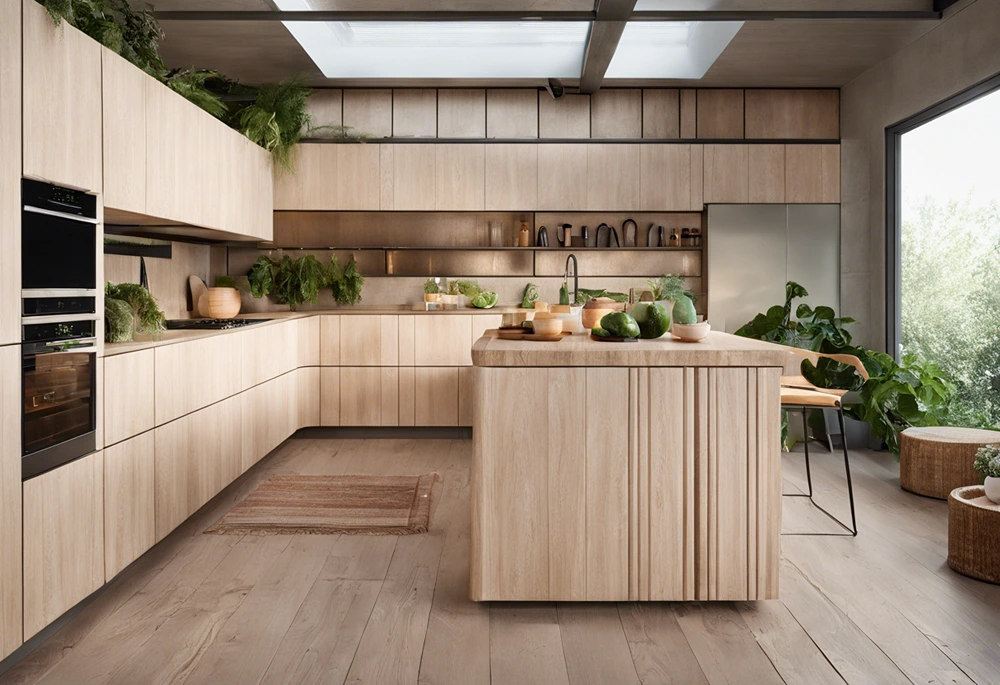
The future of kitchen design is leaning heavily towards sustainability. Innovations in technology and a growing awareness of environmental issues are driving these trends:
- Renewable Energy Integration: The use of solar panels and other renewable energy sources in kitchens.
- Smart Kitchens: Advanced technology for energy monitoring and efficient appliance use.
- Biophilic Design Elements: Incorporating natural elements for health and wellbeing.
- Recycled and Upcycled Materials: Increased use of sustainable materials in kitchen design.
Table: Upcoming Trends in Sustainable Kitchen Design
| Trend | Description |
| Renewable Energy | Integration of solar panels and other green energy sources |
| Smart Technology | IoT devices for energy and waste management |
| Biophilic Elements | Incorporating plants and natural light |
| Recycled Materials | Using upcycled and recycled materials for construction |
Sustainable Kitchen Maintenance and Upkeep
Maintaining a sustainable kitchen involves more than regular cleaning. It’s about preserving the environment and ensuring the longevity of materials and appliances.
- Use Eco-Friendly Cleaning Products: Avoid chemicals that harm the environment.
- Regular Maintenance of Appliances: Ensures they operate efficiently.
- Mindful Usage of Resources: Conserving water and electricity.
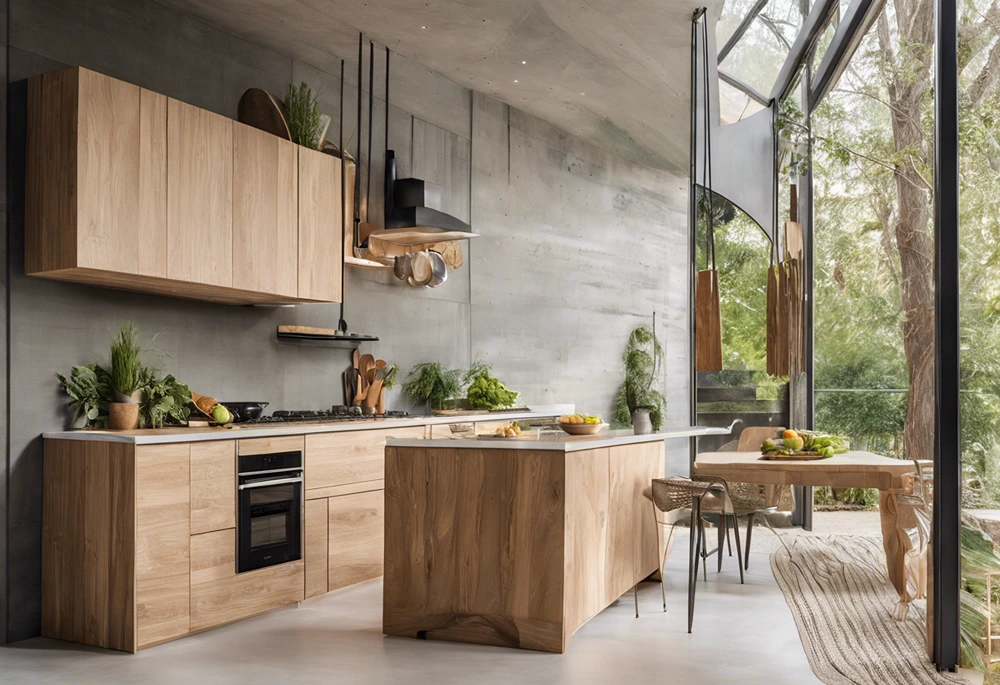
Table: Maintenance Tips for Sustainable Kitchens
| Aspect | Tips |
| Cleaning | Use natural, biodegradable cleaners |
| Appliances | Regular servicing and energy-efficient usage |
| Resources | Monitor water and electricity usage |
FAQs: Common Questions About Sustainable Kitchens
Bamboo, recycled glass, and sustainably sourced wood are excellent choices.
Use energy-efficient appliances, LED lighting, and smart home systems.
Initially, they may cost more, but they offer long-term savings and environmental benefits.
Yes, by upgrading appliances, using eco-friendly materials, and improving energy efficiency.
It reduces exposure to harmful chemicals and improves indoor air quality.
Related Posts

Future Kitchen Technologies: Revolutionizing Home Cooking and Design
The kitchen, often considered the heart…


Tech-Advanced Kitchen Design: The Future of Culinary Spaces
The kitchen, traditionally the heart of…