

The concept of a smart home, once a futuristic fantasy, has now become an integral part of our daily lives. With the rapid advancement of technology, smart home integration is not just about convenience; it’s about creating a more efficient, secure, and comfortable living environment. As Glasgow Tradespeople, we understand the importance of staying ahead in the realm of home design trends, and smart home integration stands at the forefront of this evolution.
Key Takeaways:
- Smart home integration enhances lifestyle through convenience, efficiency, and personalization.
- The integration of AI and IoT is revolutionizing home automation.
- Design trends in smart home technology focus on user-friendly interfaces and seamless integration.
- Challenges like security and compatibility are crucial considerations in smart home integration.
Introduction to Smart Home Integration
Smart home integration refers to the seamless connection of various home devices and systems, allowing them to communicate with each other and be controlled remotely. This integration not only simplifies household tasks but also enhances the overall quality of life.

Key Components of Smart Home Systems
Smart home systems comprise a range of devices like smart thermostats, lighting, security systems, and appliances. The backbone of these systems is the Internet of Things (IoT), which enables devices to communicate and work together, creating a cohesive and intelligent home environment.
The Role of IoT in Smart Homes
IoT plays a pivotal role in smart home technology. It allows devices to collect and exchange data, making it possible to automate and optimize various home functions. For instance, a smart thermostat can learn your schedule and adjust the temperature accordingly, ensuring comfort while saving energy.
Design Trends in Smart Home Integration
The design of smart home technology is rapidly evolving, focusing on aesthetics that blend with modern home decor while being functionally robust.
Current Trends in Smart Home Designs
The current design trends in smart home integration emphasize minimalism and discretion. Devices are designed to be unobtrusive and blend seamlessly with the home’s interior. Voice-controlled assistants and intuitive interfaces are becoming more prevalent, making smart home technology more accessible to everyone.
Influence of Technology on Design Aesthetics
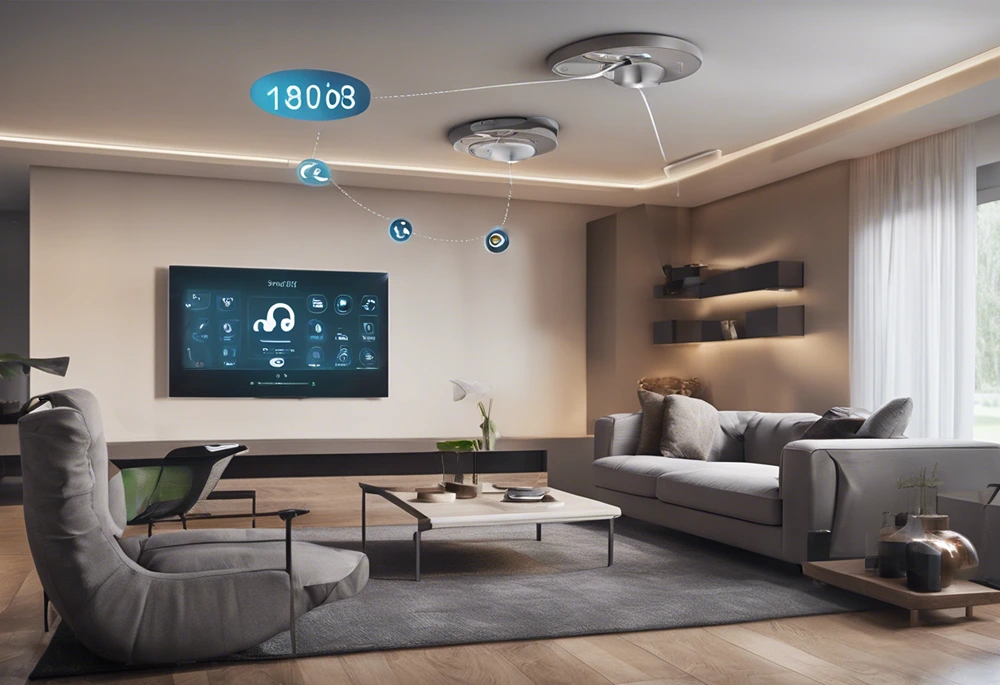
The integration of technology into home design is reshaping aesthetics. Smart devices are not only functional but also add to the visual appeal of the space. For example, smart lighting systems offer a range of colors and intensities, allowing homeowners to create the desired ambiance.
Smart Home Integration for Enhanced Lifestyle
The primary goal of smart home integration is to enhance the lifestyle of its users. It brings a level of convenience and personalization that was previously unattainable.
Convenience and Efficiency
Smart homes offer unparalleled convenience. With the ability to control various aspects of your home remotely, tasks that once required physical effort can now be done with a simple voice command or a tap on a smartphone.
Customization and Personalization
Smart home technology allows for extensive customization. Users can set preferences for lighting, temperature, and even entertainment, ensuring that their home environment aligns perfectly with their needs.
Challenges and Considerations in Smart Home Integration
While smart home technology offers numerous benefits, it also comes with its set of challenges.
Security and Privacy Concerns
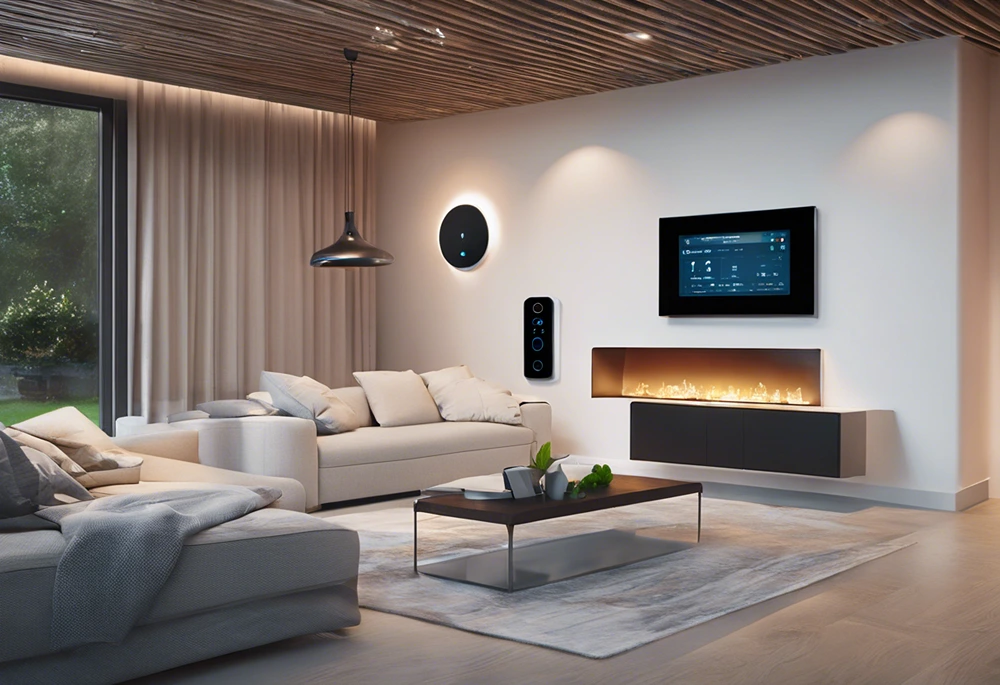
One of the major concerns with smart home technology is security. As these devices are connected to the internet, they are vulnerable to hacking and data breaches. Ensuring robust security protocols is essential to protect user privacy and data.
Compatibility and Interoperability Issues
Another challenge is ensuring compatibility among various devices. With many manufacturers and different technologies, it can be difficult to integrate all devices seamlessly. Choosing devices that are compatible with major platforms can mitigate this issue.
Glasgow Tradespeople’s Approach to Smart Home Integration
At Glasgow Tradespeople, we focus on providing solutions that are not only technologically advanced but also user-friendly and secure. Our approach to smart home integration is centered around the needs of the homeowner, ensuring that each installation is tailored to their specific requirements.
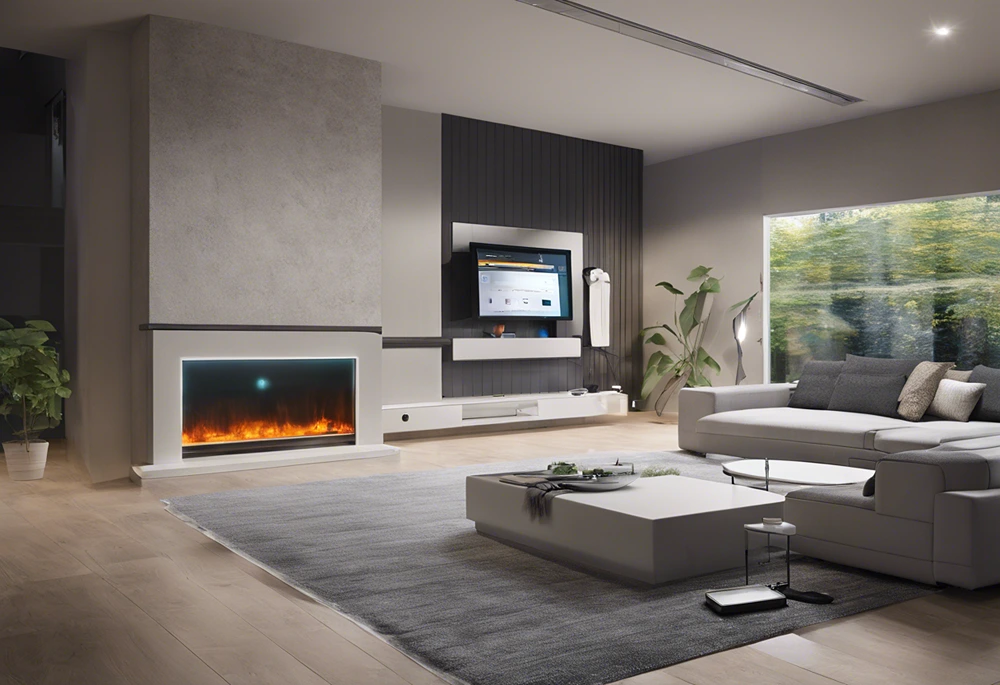
Table 1: Advantages of Smart Home Integration
| Benefit | Description |
| Convenience | Control your home with voice commands or remotely via smartphone. |
| Efficiency | Automated systems save time and reduce energy consumption. |
| Security | Enhanced security with smart alarms and surveillance systems. |
| Comfort | Personalize your living environment to suit your preferences. |
Table 2: Key Components of a Smart Home
| Component | Function |
| Smart Thermostat | Regulates home temperature efficiently. |
| Smart Lighting | Offers customizable lighting options. |
| Security Systems | Provides surveillance and security alerts. |
| Smart Appliances | Automates routine tasks and provides convenience. |
Future of Smart Home Integration
Predictions and Upcoming Trends
The future of smart home technology is poised to be more intuitive and interconnected. We are looking at homes that not only respond to our commands but also anticipate our needs. The integration of AI and machine learning is expected to bring about a new era of predictive home automation, where your home understands your preferences and adjusts itself accordingly.
Integration with AI and Machine Learning
AI and machine learning are at the forefront of this revolution. These technologies enable smart homes to learn from user behaviors, optimize energy usage, and provide enhanced security. For instance, AI-powered security systems can distinguish between familiar faces and strangers, offering a more personalized and secure home environment.
Economic and Environmental Impact of Smart Homes
Cost-effectiveness and Energy Savings
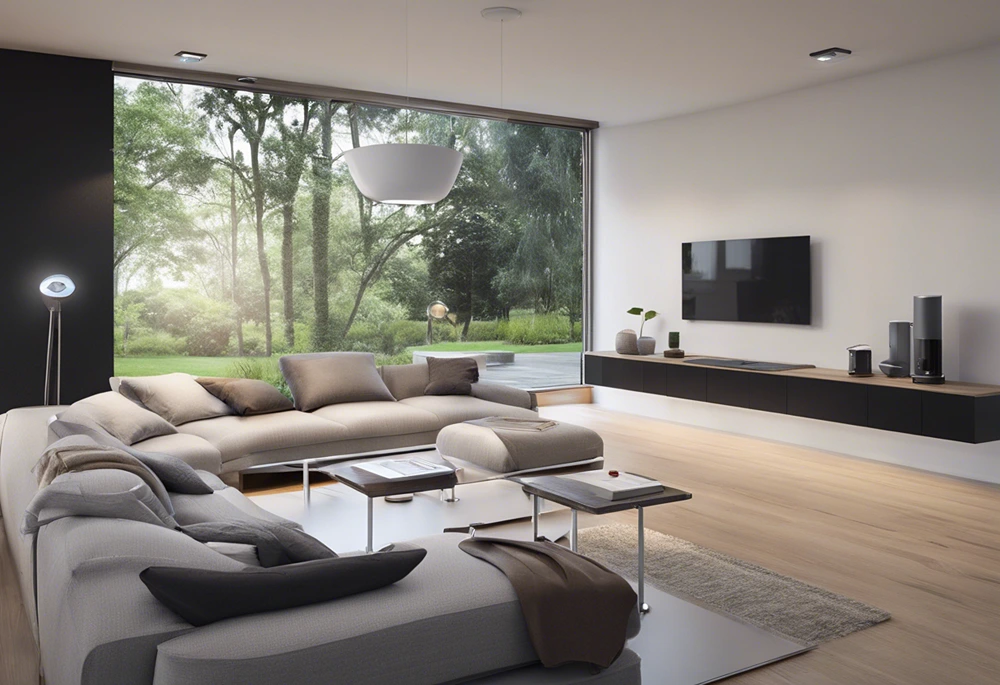
Smart homes are not just about luxury; they are also about efficiency. The use of smart thermostats, lighting, and appliances leads to significant energy savings, which in turn reduces utility bills. Smart homes are an investment that pays off in the long run, both economically and environmentally.
Sustainable Living through Technology
The environmental impact of smart homes is profound. By optimizing energy usage, smart homes contribute to a lower carbon footprint. Sustainable living is no longer a choice but a necessity, and smart home technology is a step in the right direction.
Case Studies: Successful Smart Home Integration Projects
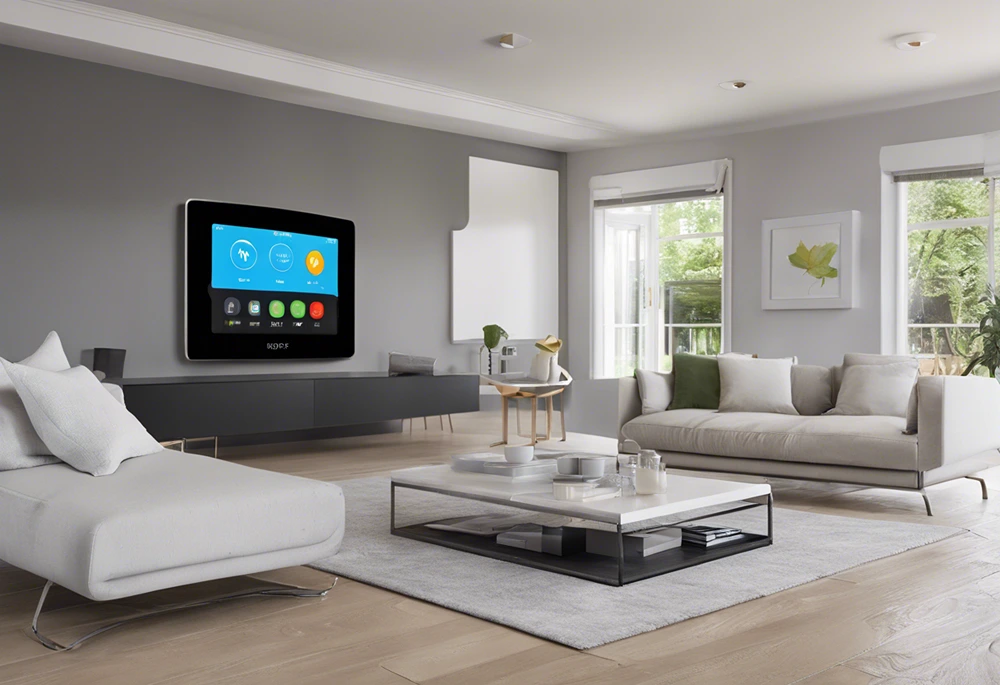
Examples of Well-Integrated Smart Homes
To understand the real-world impact of smart home integration, let’s look at some case studies. These examples showcase how smart technology has transformed living spaces, offering insights into best practices and lessons learned.
Lessons Learned and Best Practices
From these case studies, it’s evident that successful smart home integration requires a balance between technology and user-friendliness. The key is to create a system that is both advanced and intuitive, ensuring that the technology enhances the living experience without becoming intrusive.
Table 3: Predictions for Future Smart Home Trends
| Trend | Description |
| AI-Powered Automation | Homes that learn and adapt to user preferences. |
| Enhanced Security | AI-enabled systems for personalized security. |
| Energy Optimization | Smart devices that optimize energy usage. |
Table 4: Environmental Impact of Smart Homes
| Impact | Description |
| Reduced Energy Consumption | Smart devices lead to significant energy savings. |
| Lower Carbon Footprint | Optimized energy usage contributes to environmental sustainability. |
Frequently Asked Questions on Smart Home Integration
The most crucial aspect is compatibility and interoperability among different devices. Ensuring that all your smart devices can communicate effectively is key to a seamless experience.
Smart home devices like thermostats and lighting systems adjust energy usage based on real-time data and user behavior, leading to more efficient energy consumption and lower utility bills.
Absolutely. Smart security systems with cameras, motion sensors, and AI-powered recognition offer a higher level of security by providing real-time alerts and remote monitoring capabilities.
While the initial setup might require some technical know-how, most smart home devices are designed for user-friendliness. Ongoing maintenance is generally minimal, with many systems offering automatic updates and remote troubleshooting.
The cost of smart home technology has become more affordable over the years. While some high-end options are still pricey, there are many budget-friendly choices available that offer significant benefits.
Related Posts

Future Kitchen Technologies: Revolutionizing Home Cooking and Design
The kitchen, often considered the heart…


Tech-Advanced Kitchen Design: The Future of Culinary Spaces
The kitchen, traditionally the heart of…