

In the realm of home design, the kitchen stands as a central hub of daily life, a place where functionality meets aesthetics. With the growing awareness of environmental issues, the concept of environmentally friendly kitchens has gained significant traction. These kitchens are not just about reducing the carbon footprint but also about embracing a lifestyle that harmonizes with nature. This comprehensive guide delves into the various aspects of creating and maintaining an eco-friendly kitchen, offering valuable insights for those looking to make a sustainable shift.
Key Takeaways
- Sustainable Materials: Opt for materials that have minimal environmental impact.
- Energy-Efficient Appliances: Choose appliances that conserve energy and reduce utility bills.
- Waste Reduction Strategies: Implement practices to minimize waste generation.
- Eco-Friendly Design: Focus on layouts that optimize natural light and air flow.
- Smart Technologies: Incorporate smart gadgets for better energy management.
The Rise of Eco-Friendly Kitchen Design
The concept of eco-friendly kitchens is not a fleeting trend but a response to the growing need for sustainable living practices. These kitchens are designed with the intention of minimizing environmental impact through the use of sustainable materials, energy-efficient appliances, and waste reduction strategies.

Historical Perspective
In the past, kitchen designs rarely considered environmental impact. However, with the rise of environmental awareness, there has been a significant shift towards sustainable practices in kitchen design.
Recent Trends and Consumer Awareness
Today, consumers are more informed and concerned about the environmental impact of their choices. This awareness has led to a demand for kitchen designs that are not only aesthetically pleasing but also environmentally responsible.
Key Components of an Eco-Friendly Kitchen
Creating an eco-friendly kitchen involves several key components that work together to reduce environmental impact.
Sustainable Materials
- Recycled or Reclaimed Wood: Ideal for cabinetry and flooring.
- Bamboo: A fast-growing, sustainable alternative for surfaces and flooring.
- Recycled Glass and Metal: For countertops and backsplashes.
Energy-Efficient Appliances
- Refrigerators: Opt for models with high energy efficiency ratings.
- Ovens and Stoves: Consider induction cooktops for better energy use.
- Dishwashers: Choose models that use less water and energy.
Waste Reduction Strategies
- Composting: Implement in-kitchen composting solutions for organic waste.
- Recycling Stations: Designate areas for sorting recyclables.
- Mindful Consumption: Reduce packaging and single-use plastics.

Designing Your Eco-Friendly Kitchen
The design of your kitchen plays a crucial role in its environmental impact. Here are some considerations for creating an eco-friendly kitchen.
Layout Considerations
- Maximize Natural Light: Use windows and skylights to reduce the need for artificial lighting.
- Efficient Space Planning: Design a layout that reduces energy and water usage.
Choosing Sustainable Materials
- Cabinetry: Look for cabinets made from sustainable woods or recycled materials.
- Countertops: Consider materials like recycled glass, quartz, or bamboo.
Incorporating Energy-Efficient Solutions
- LED Lighting: Replace traditional bulbs with LED options for better energy efficiency.
- Smart Thermostats: Install devices that allow for better temperature control.
Eco-Friendly Kitchen Appliances and Technologies
Innovations in kitchen appliances and technologies have made it easier to create an eco-friendly kitchen.
Innovations in Kitchen Appliances
- Energy Star Appliances: These appliances meet strict energy efficiency guidelines set by the U.S. Environmental Protection Agency.
- Water-Saving Dishwashers: Newer models are designed to use less water without compromising performance.
Smart Technologies for Sustainability
- Smart Refrigerators: These can help monitor energy use and reduce waste.
- Automated Lighting Systems: Systems that adjust based on natural light availability.
Sustainable Practices in Kitchen Use and Maintenance
The way you use and maintain your kitchen can also contribute to its sustainability.
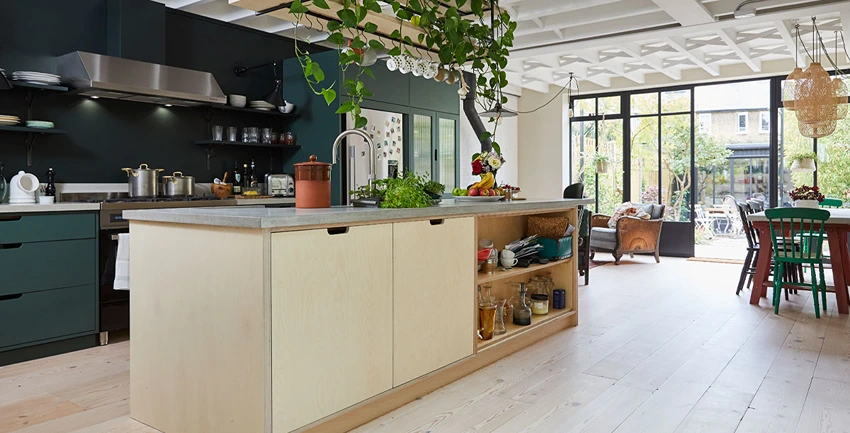
Daily Habits for Sustainability
- Mindful Cooking: Use lids while cooking to reduce energy use.
- Efficient Dishwashing: Run dishwashers only when full to save water and energy.
Long-Term Maintenance Tips
- Regular Appliance Checks: Ensure appliances are functioning efficiently.
- Eco-Friendly Cleaning Products: Use products that are biodegradable and non-toxic.
The Role of Recycling and Composting in Kitchen Design
Integrating recycling and composting systems into your kitchen design is essential for reducing waste.
Integrating Recycling Systems
- Built-In Recycling Bins: Incorporate separate bins for different types of recyclables.
- Convenient Placement: Ensure recycling stations are easily accessible.
Composting Solutions for Kitchen Waste
- Countertop Compost Bins: Small bins for daily organic waste.
- Community Composting Programs: Participate in local composting initiatives.
Eco-Friendly Kitchen Decor and Accessories
Decorating your kitchen with eco-friendly accessories can enhance its sustainability.
Sustainable Decor Ideas
- Reclaimed Wood Shelves: Add character and reduce waste.
- Natural Fiber Rugs: Choose rugs made from organic materials.
Choosing Eco-Friendly Kitchenware
- Bamboo Utensils: Durable and sustainable alternatives to plastic.
- Recycled Glassware: Stylish and environmentally friendly.
Challenges and Solutions in Creating Eco-Friendly Kitchens
Creating an eco-friendly kitchen comes with its own set of challenges, but there are innovative solutions available.

Overcoming Common Obstacles
- Cost: While some eco-friendly options may be more expensive upfront, they often lead to long-term savings.
- Availability: With the growing demand for sustainable products, more options are becoming available.
Innovative Solutions in Design and Technology
- Modular Kitchen Designs: Flexible designs that can adapt to changing needs.
- Energy Monitoring Systems: Tools that help track and reduce energy consumption.
Future Trends in Eco-Friendly Kitchen Design
The future of kitchen design is leaning towards even more sustainable practices and technologies.
Predictions and Upcoming Innovations
- Solar-Powered Appliances: Harnessing solar energy for kitchen appliances.
- Advanced Recycling Technologies: More efficient ways to recycle kitchen waste.
The Evolving Role of Technology
- Smart Kitchens: Kitchens that are fully integrated with smart home systems for optimal efficiency.
- Sustainable Material Innovations: New materials that are even more eco-friendly and durable.
Advanced Recycling Technologies in the Kitchen
The future of kitchen sustainability lies in advanced recycling technologies. These innovations are set to revolutionize the way we handle kitchen waste.
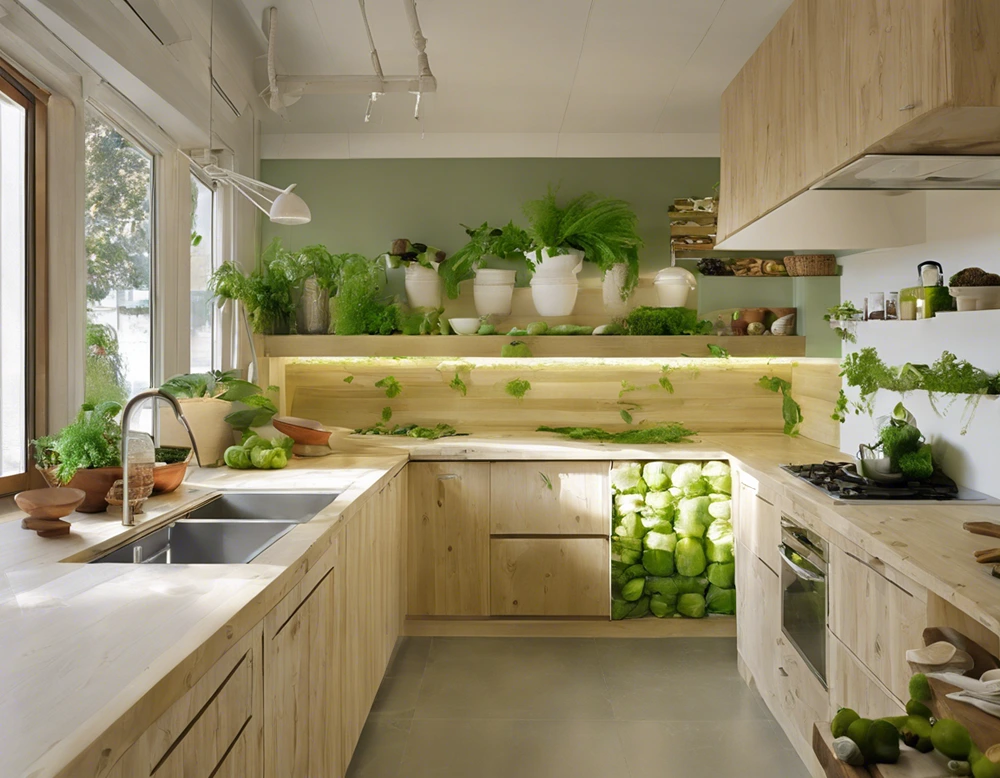
Efficient Waste Management Systems
- Automated Sorting Systems: Devices that sort recyclables automatically.
- Innovative Composting Solutions: High-tech composters that speed up the process.
Reducing Plastic Use
- Alternatives to Plastic: Using glass, metal, or biodegradable materials.
- Reusable Containers: Encouraging the use of containers that can be reused multiple times.
The Evolving Role of Technology in Eco-Friendly Kitchens
Technology plays a pivotal role in the evolution of eco-friendly kitchens, making sustainability more accessible and effective.
Smart Kitchens
- Integrated Systems: Kitchens that sync with smart home devices for optimal energy use.
- Automated Appliances: Appliances that adjust their energy use based on need.
Sustainable Material Innovations
- Eco-Friendly Manufacturing: New methods that reduce environmental impact.
- Durable and Recyclable Materials: Materials that last longer and can be easily recycled.
Frequently Asked Questions
Here are some common questions about environmentally friendly kitchens, along with expert answers.
- Bamboo: Fast-growing and sustainable.
- Recycled Glass: For countertops and backsplashes.
- Reclaimed Wood: For cabinetry and flooring.
- Energy Star Appliances: Choose appliances with high energy efficiency ratings.
- LED Lighting: Replace traditional bulbs with LED options.
- Smart Thermostats: For better temperature control.
- Composting: Implement in-kitchen composting solutions.
- Mindful Consumption: Reduce the use of single-use plastics.
- Recycling Stations: Designate areas for sorting recyclables.
 Tables Packed with Value
Table 1: Comparison of Traditional vs. Eco-Friendly Kitchen Features
| Feature | Traditional Kitchen | Eco-Friendly Kitchen |
| Materials | Often non-sustainable | Sustainable, recycled |
| Appliances | Standard efficiency | High energy efficiency |
| Lighting | Conventional bulbs | LED, natural light |
| Waste Management | Limited recycling | Comprehensive recycling & composting |
Table 2: Energy Consumption of Common Kitchen Appliances
| Appliance | Average Energy Use | Eco-Friendly Alternative |
| Refrigerator | High | Energy Star rated models |
| Oven | Moderate to High | Induction cooktops |
| Dishwasher | Moderate | Water-efficient models |
Related Posts

Future Kitchen Technologies: Revolutionizing Home Cooking and Design
The kitchen, often considered the heart…


Tech-Advanced Kitchen Design: The Future of Culinary Spaces
The kitchen, traditionally the heart of…