

Traditional kitchen designs are the epitome of timeless elegance, blending classic aesthetics with modern functionality. These designs are characterized by their attention to detail, use of quality materials, and a layout that prioritizes practicality and comfort. Whether you’re renovating an old kitchen or designing a new one, traditional kitchens offer a warm and inviting atmosphere that stands the test of time.
Key Takeaways:
- Traditional kitchens focus on quality craftsmanship, using materials that are not specific to any particular period.
- They prioritize a functional layout that is family-friendly and comfortable.
- Incorporating durable surfaces like Dekton porcelain ensures both beauty and practicality.
- Symmetry and warm tones are essential elements in traditional kitchen design.
- Integrating modern amenities with traditional designs creates a space that is both timeless and efficient.
Understanding the Core of Traditional Kitchen Design

The Essence of Traditional Style
Traditional kitchen design is all about creating a space that feels both timeless and functional. It’s a style that resists the ebb and flow of trends, instead focusing on enduring decorative details and a layout that serves the needs of a modern family. The key to a traditional kitchen is its ability to blend the old with the new, creating a space that feels both familiar and fresh.
Key Elements of Traditional Kitchen Design
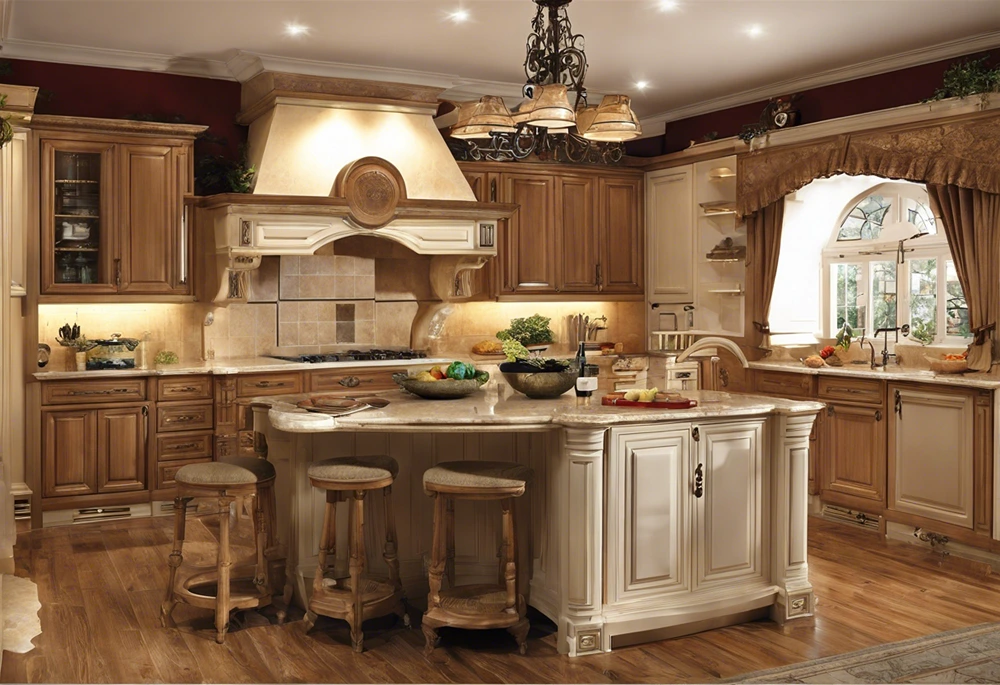
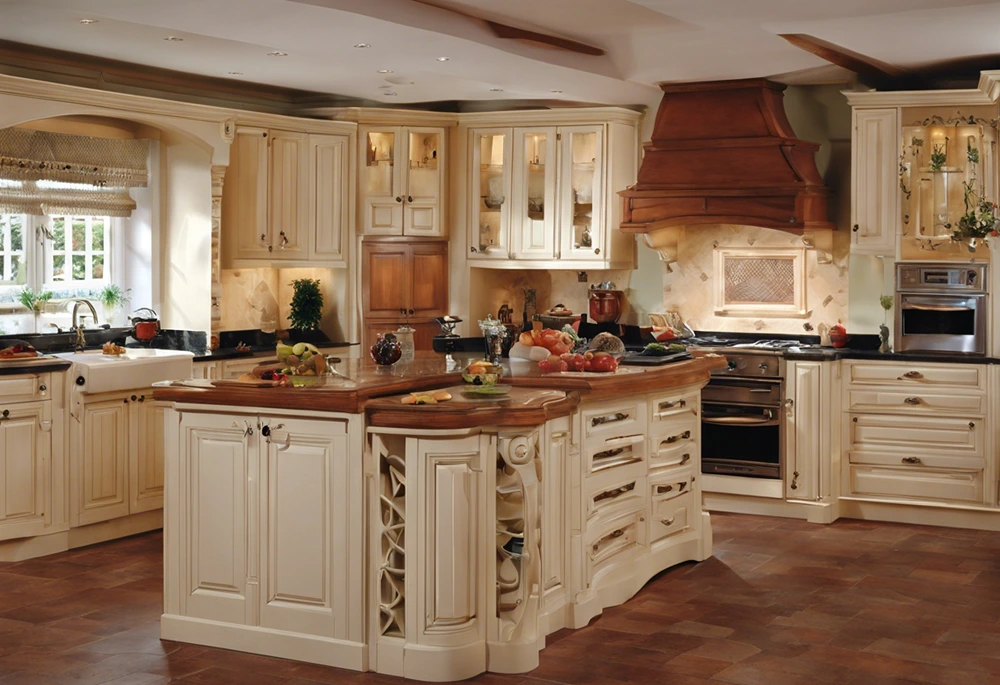
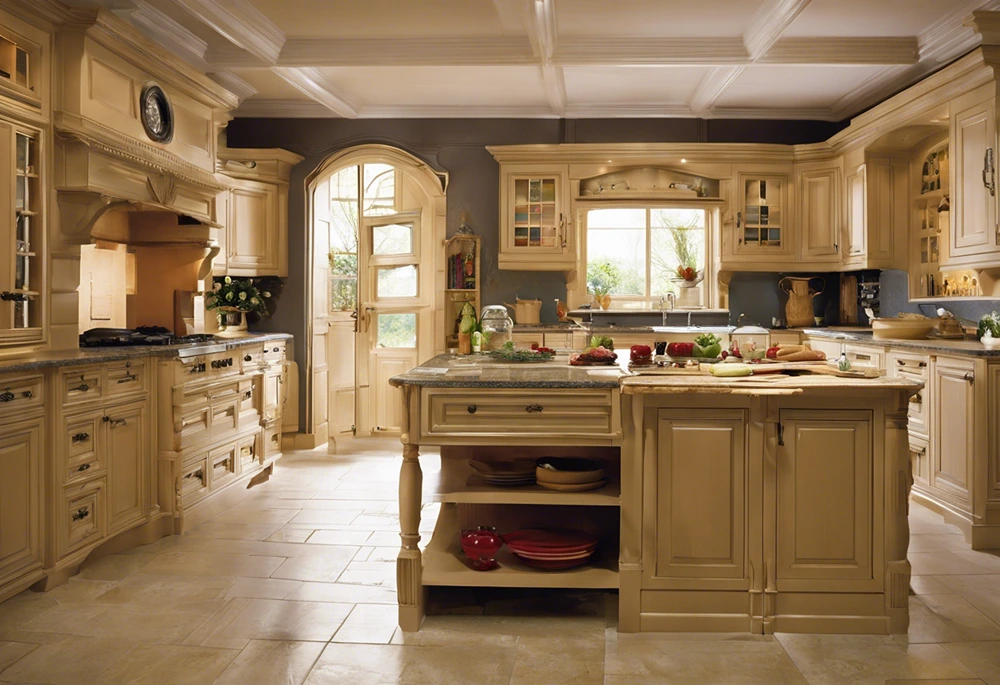
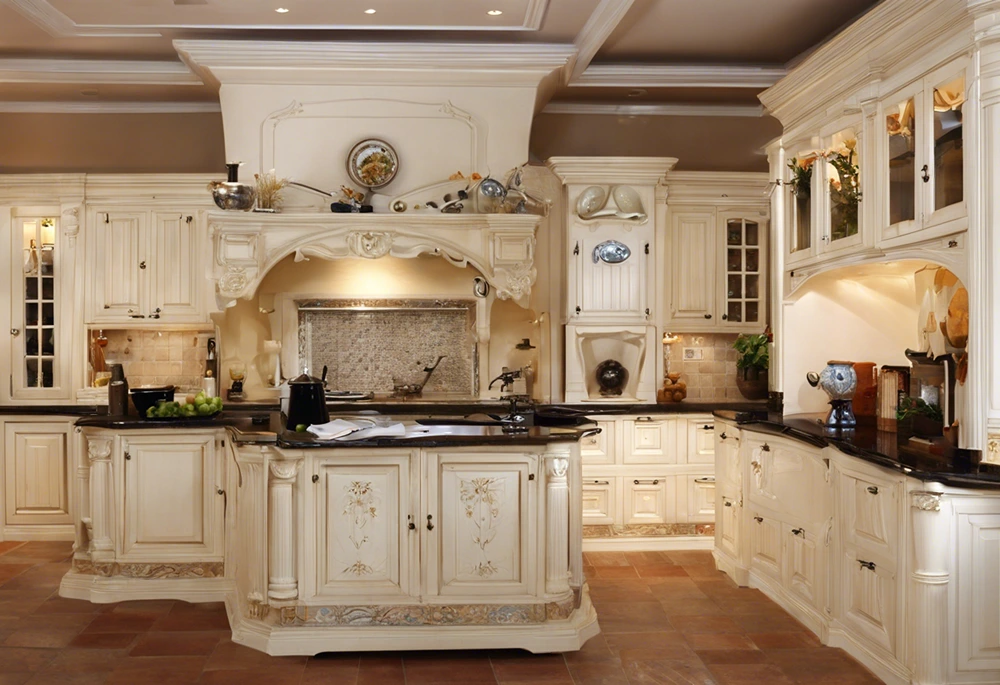
- Cabinetry: Traditional kitchens often feature cabinetry with classic paneling and detailing. The use of natural wood or painted finishes adds depth and character to the space.
- Countertops: Durable and elegant materials like granite, marble, or engineered stone are popular choices. These materials not only add beauty but also ensure longevity and ease of maintenance.
- Flooring: Wood flooring is a hallmark of traditional kitchen design, adding warmth and a natural element to the space. Tile in classic patterns can also be used for a more period-specific look.
Color Schemes and Lighting
- Colors: Traditional kitchens often use a palette of neutral colors like whites, creams, and light grays, accented with soft hues like blues or greens.
- Lighting: Chandeliers, pendant lights, and under-cabinet lighting are commonly used to create a warm and inviting ambiance.
Layouts and Space Planning
- Traditional kitchens often employ layouts like the U-shape, L-shape, or galley to maximize space and functionality.
- The layout is designed to be both aesthetically pleasing and practical, with a focus on ease of movement and accessibility.
Decorative Accents and Details

Hardware Selections
- Knobs and Pulls: Choosing the right hardware can significantly impact the overall look of a traditional kitchen. Options like brushed nickel, aged brass, or oil-rubbed bronze can complement the cabinetry and other design elements.
- Decorative Elements: Incorporating details like crown moldings, wainscoting, and corbels adds a touch of elegance and helps to complete the traditional look.
Blending Old and New
- Appliances: Modern appliances can be integrated into traditional designs without disrupting the aesthetic. Options like panel-ready appliances allow for a seamless look.
- Technology: Incorporating modern conveniences like smart home technology can enhance the functionality of a traditional kitchen while maintaining its classic appeal.
Customization and Personal Touches
Tailoring Design to Personal Style
- Every traditional kitchen can be customized to reflect the homeowner’s personal style. This might include unique color choices, custom cabinetry designs, or distinctive backsplash tiles.
Unique Features and Custom Solutions
- Custom storage solutions, built-in seating areas, or bespoke islands can add both function and personality to a traditional kitchen.
Sustainability and Eco-Friendly Options
Environmentally Friendly Materials
- Using sustainable materials like reclaimed wood or eco-friendly paints contributes to a healthier environment and adds a story to the kitchen’s design.
Energy-Efficient Appliances
- Choosing energy-efficient appliances reduces the kitchen’s environmental footprint and can lead to cost savings in the long run.
Budgeting and Cost Considerations
Estimating Costs
- Understanding the costs involved in a traditional kitchen remodel is crucial. This includes cabinetry, countertops, appliances, and labor.
Cost-Saving Tips
- Opting for less expensive materials or doing some of the work yourself can help to keep costs down without compromising on style.
Maintenance and Longevity
Care and Upkeep
- Regular maintenance is key to preserving the beauty and functionality of a traditional kitchen. This includes proper cleaning and timely repairs.
Ensuring Timeless Appeal
- Choosing classic design elements ensures that the kitchen will remain stylish and relevant for years to come.
Customization and Personal Touches
Tailoring Design to Personal Style
- Unique Color Choices: Incorporating personal color preferences can transform a traditional kitchen into a reflection of individual style.
- Custom Cabinetry Designs: Opting for bespoke cabinetry allows for unique design elements that resonate with personal aesthetics.
Unique Features and Custom Solutions
- Built-in Seating Areas: Integrating seating into the kitchen layout enhances both functionality and comfort.
- Bespoke Islands: Custom islands can be designed to suit specific needs, whether it’s for additional storage, prep space, or dining.
Sustainability and Eco-Friendly Options
Environmentally Friendly Materials
- Reclaimed Wood: Utilizing reclaimed wood not only adds character but also promotes sustainability.
- Eco-Friendly Paints: Choosing paints with low VOCs contributes to a healthier kitchen environment.
Energy-Efficient Appliances
- Energy Star Rated Appliances: These appliances offer energy efficiency, reducing the kitchen’s environmental impact and utility costs.
Budgeting and Cost Considerations
Estimating Costs
- Cabinetry: Often the most significant cost in a kitchen remodel, cabinetry prices vary based on material and design.
- Countertops and Appliances: High-quality materials and appliances can be significant investments but are crucial for longevity and performance.
Cost-Saving Tips
- Alternative Materials: Opting for less expensive materials that mimic high-end looks can reduce costs.
- DIY Projects: Undertaking some tasks independently can also help manage the budget.
Maintenance and Longevity
Care and Upkeep
- Regular Cleaning: Proper cleaning and maintenance of surfaces extend their life and preserve their appearance.
- Timely Repairs: Addressing issues promptly prevents more significant problems down the line.
Ensuring Timeless Appeal
- Classic Design Choices: Opting for classic elements in design ensures the kitchen remains stylish over time.
Frequently Asked Questions
- Classic Cabinetry: Often featuring intricate designs and quality wood.
- Neutral Color Palette: Typically involving whites, creams, and light grays.
- Natural Materials: Like wood and stone, for countertops and flooring.
- Contemporary Appliances: Integrating modern appliances that blend with the kitchen’s aesthetic.
- Updated Hardware: Replacing knobs and pulls with more modern designs.
- Lighting Fixtures: Incorporating contemporary lighting can add a modern touch.
- Granite and Marble: For a classic, luxurious look.
- Engineered Stone: Offers durability and a wide range of design options.
- Regular Maintenance: Keeping surfaces clean and in good repair.
- Timeless Elements: Stick to classic design principles that transcend trends.
Related Posts

Future Kitchen Technologies: Revolutionizing Home Cooking and Design
The kitchen, often considered the heart…


Tech-Advanced Kitchen Design: The Future of Culinary Spaces
The kitchen, traditionally the heart of…