

In the realm of home improvement, the kitchen stands out as a focal point for both functionality and style. Investing in a smart kitchen not only enhances your daily living experience but also plays a crucial role in determining your home’s overall value. Understanding the return on investment (ROI) for smart kitchen upgrades is essential for homeowners looking to make informed decisions.
Key Takeaways:
- Smart kitchen investments significantly impact a home’s resale value.
- Functional space addition yields a higher ROI compared to luxury upgrades.
- Sustainable and energy-efficient technologies are trending in kitchen design.
Understanding Home Improvement ROI
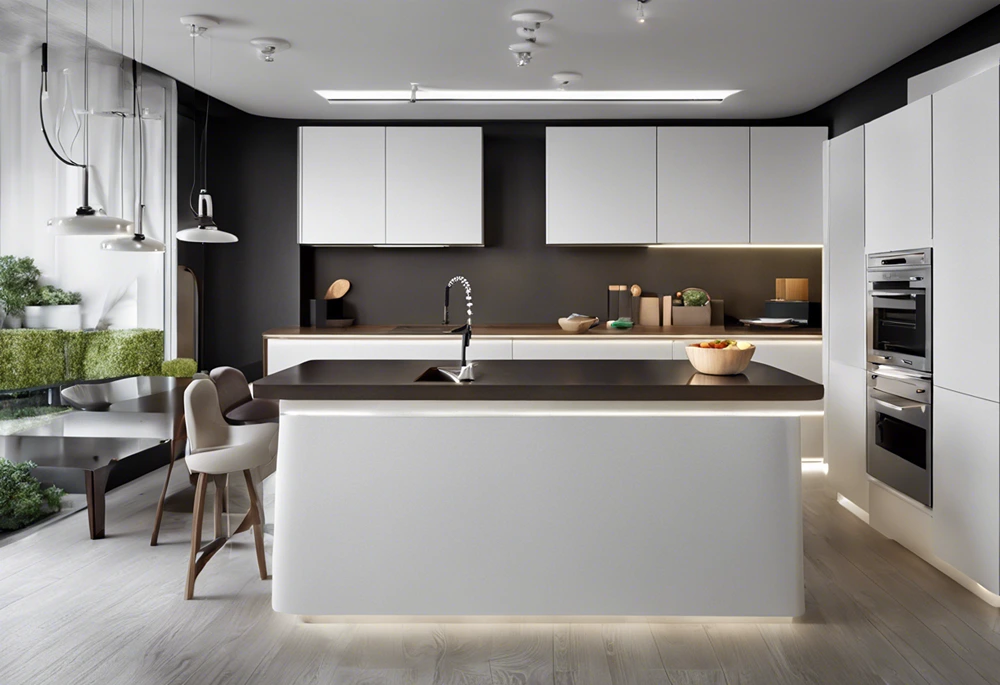
The Financial Aspect of Kitchen Renovations
When considering a kitchen renovation, it’s crucial to understand the financial implications and potential returns. On average, home renovations yield about a 70% ROI, but this figure can vary based on several factors, including the real estate market, location, project type, and timing.
Key Factors Affecting ROI:
- Market trends: The current state of the real estate market can significantly influence the ROI.
- Location: ROI can vary greatly depending on the geographical area.
- Type of renovation: Functional upgrades often offer better returns than purely aesthetic changes.
Calculating ROI in Kitchen Investments
To estimate the ROI of a kitchen renovation, a simple formula can be used:
Home Improvement ROI=(Net Gain from Home ImprovementCost of Home Improvement)×100
Home Improvement ROI=( Cost of Home Improvement
Net Gain from Home Improvement)×100
For instance, if the cost of improvement is $10,000 and the net gain is $15,000, the ROI would be 50%.
Table: Example ROI Calculation
| Cost of Improvement | Net Gain | ROI (%) |
| $10,000 | $15,000 | 50 |
Key Elements of a Smart Kitchen Investment
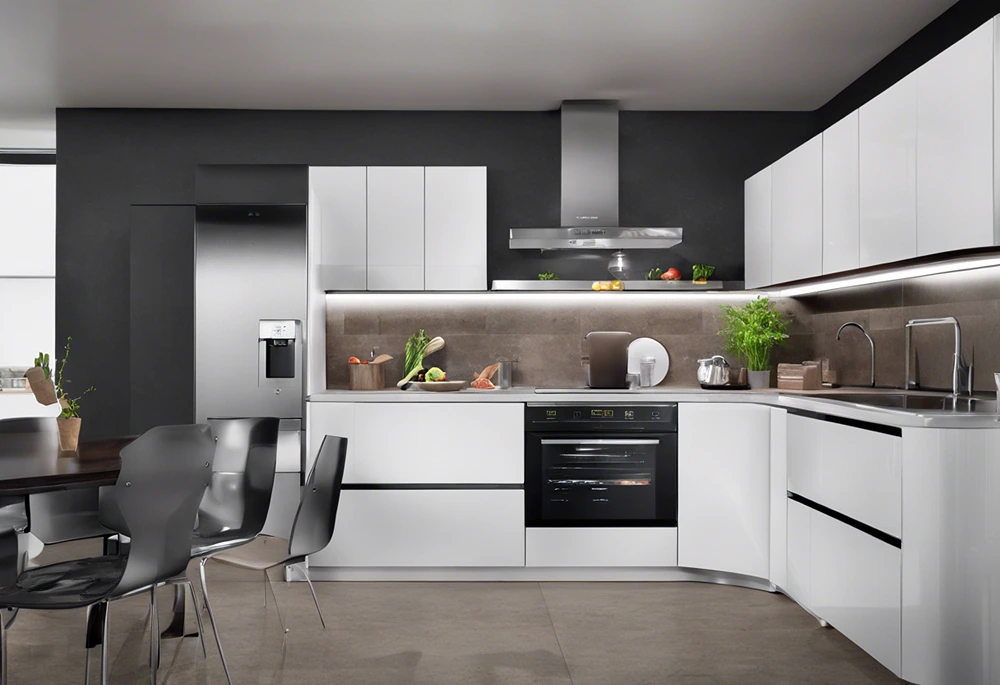
Balancing Functionality and Aesthetics
A smart kitchen investment strikes a balance between functionality and aesthetics. It’s not just about the latest gadgets but creating a space that is efficient, comfortable, and appealing.
Considerations for a Smart Kitchen:
- Functional space: Focus on adding or improving areas that increase utility, like additional storage or an island.
- Cost-effective materials: Choose materials that offer durability and style without breaking the bank.
- Energy-efficient appliances: Opt for appliances that reduce energy consumption, aligning with sustainable living trends.
Table: Functional vs. Aesthetic Upgrades
| Upgrade Type | Expected ROI (%) | Notes |
| Functional Space | 70-80 | Adds utility and comfort |
| Aesthetic Upgrades | 50-60 | Focuses on style and appearance |
Design Trends in Smart Kitchens
Embracing Current Trends
The design of a kitchen significantly impacts its functionality and the overall ROI. Current trends lean towards sustainable and energy-efficient designs, which not only appeal to the modern homeowner but also contribute to long-term savings.
Popular Design Trends:
- Sustainable materials: Use of eco-friendly materials for countertops and cabinetry.
- Smart technology integration: Incorporating smart appliances for enhanced convenience.
- Open layouts: Creating a more spacious and inviting kitchen area.
Impact of Design Trends on ROI
The right design choices can elevate the ROI of your kitchen renovation. Trends like energy-efficient appliances and sustainable materials are not only in demand but also add significant value to your property.
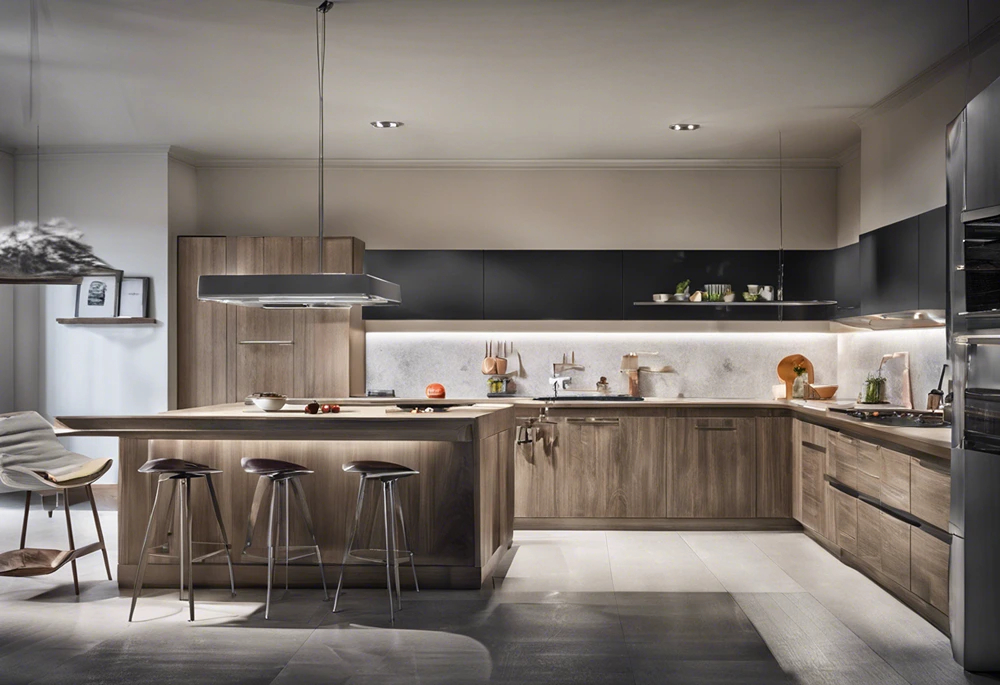
Table: Impact of Design Trends on ROI
| Design Trend | Impact on ROI (%) | Description |
| Energy-Efficient Design | 75-85 | Reduces energy costs, adds value |
| Sustainable Materials | 70-80 | Eco-friendly, appeals to buyers |
| Smart Technology | 65-75 | Modern, convenient, and efficient |
Projects with the Highest ROI in Kitchen Remodeling
Identifying High-Value Renovations
Certain kitchen remodeling projects stand out for their ability to significantly boost a home’s value. These include functional upgrades that enhance the kitchen’s usability and appeal.
Top ROI-Boosting Projects:
- Energy-efficient appliance upgrades: Modern, energy-saving appliances are highly sought after.
- Cabinet refurbishment: Refreshing or replacing cabinets for a modern look.
- Countertop replacement: Investing in durable and stylish countertops.
Table: Kitchen Remodeling Projects and Their ROI
| Project Type | Average Cost | Resale Value | ROI (%) |
| Energy-Efficient Appliances | $5,000 | $7,500 | 150 |
| Cabinet Refurbishment | $4,000 | $6,000 | 150 |
| Countertop Replacement | $3,000 | $4,500 | 150 |
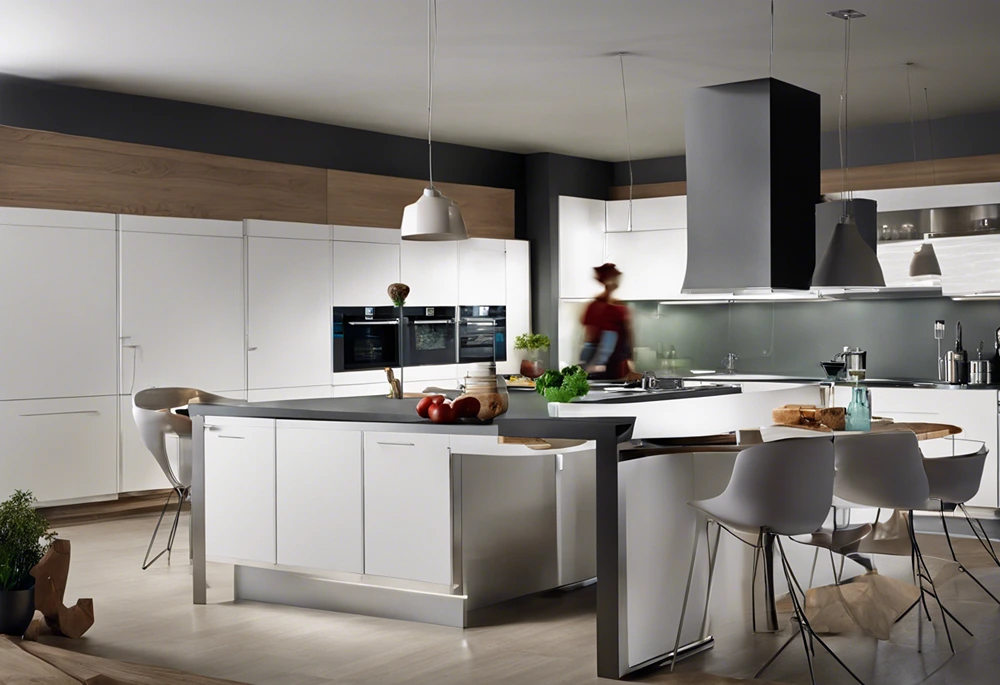
Avoiding Low ROI Traps
Steering Clear of Over-Investment
While investing in your kitchen is beneficial, it’s crucial to avoid over-investing in areas that do not significantly increase your home’s value.
Common Low ROI Investments:
- Overly luxurious materials: Can be too personalized and not universally appealing.
- Highly specialized appliances: May not be valued by all potential buyers.
Table: Low ROI Kitchen Investments
| Investment Type | Expected ROI (%) | Reason for Low ROI |
| Luxurious Materials | 30-40 | Too personalized |
| Specialized Appliances | 20-30 | Limited appeal to potential buyers |
Frequently Asked Questions
Upgrading appliances, refreshing cabinets, and replacing countertops typically offer the best ROI.
Focus on functional improvements, choose energy-efficient appliances, and select timeless designs.
While they can add a touch of luxury, they often do not proportionally increase home value.
A well-executed kitchen remodel can significantly boost your home’s market appeal and resale value.
Related Posts

Future Kitchen Technologies: Revolutionizing Home Cooking and Design
The kitchen, often considered the heart…


Tech-Advanced Kitchen Design: The Future of Culinary Spaces
The kitchen, traditionally the heart of…