

Asian-inspired kitchen styles are a testament to the fusion of elegance and functionality. These designs are not just about aesthetics; they embody a philosophy that merges practicality with a serene, uncluttered lifestyle. In this article, we delve into the various elements that make up Asian-inspired kitchens, offering insights and inspiration for those looking to incorporate this style into their homes.
Key Takeaways
- Asian kitchens blend natural materials, clean lines, and efficient use of space.
- Wood, particularly bamboo, is a predominant material, reflecting a connection with nature.
- Color schemes often include earthy and neutral tones, with occasional bold accents.
- Furniture and cabinetry in Asian kitchens are minimalist yet functional.
The Essence of Asian-Inspired Kitchen Design
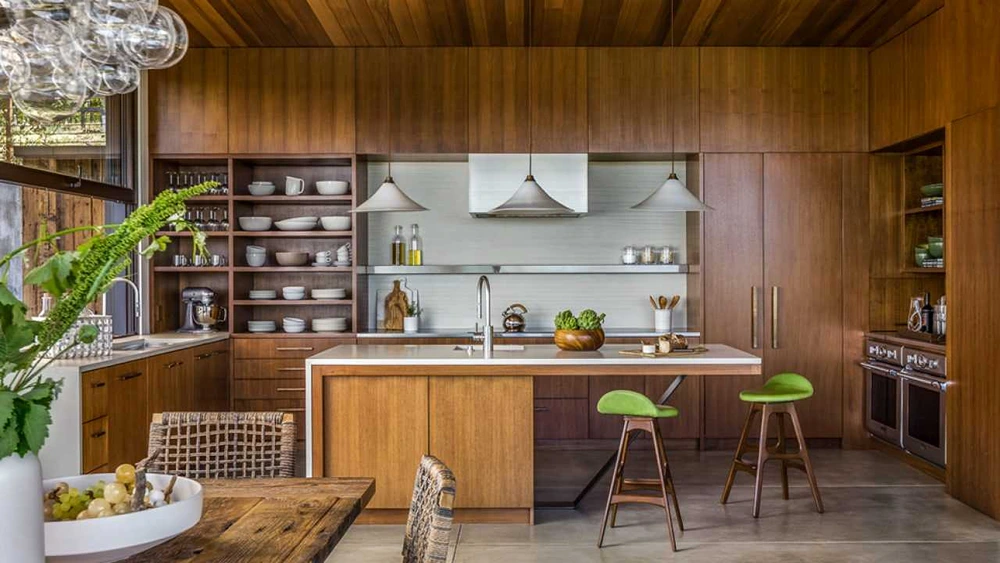
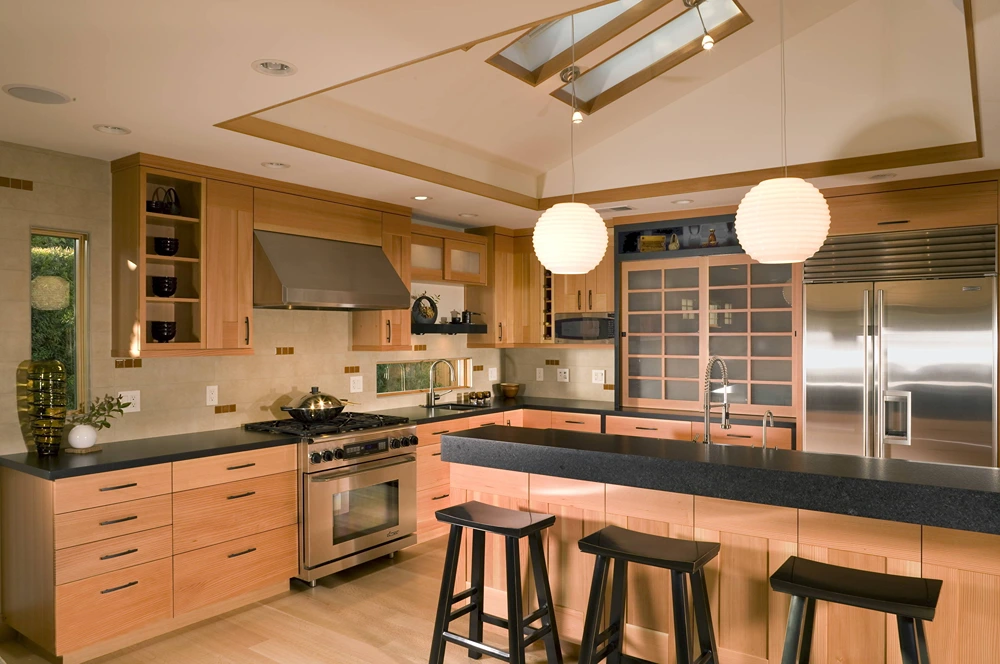
Asian kitchen design is characterized by its minimalist approach, emphasizing clean, horizontal lines and geometric shapes. The use of natural materials is a hallmark of this style, with wood, bamboo, stone, and ceramic playing significant roles. These elements are not just chosen for their aesthetic appeal but also for their functionality and sustainability.
Natural Materials and Textures
Wood and Bamboo
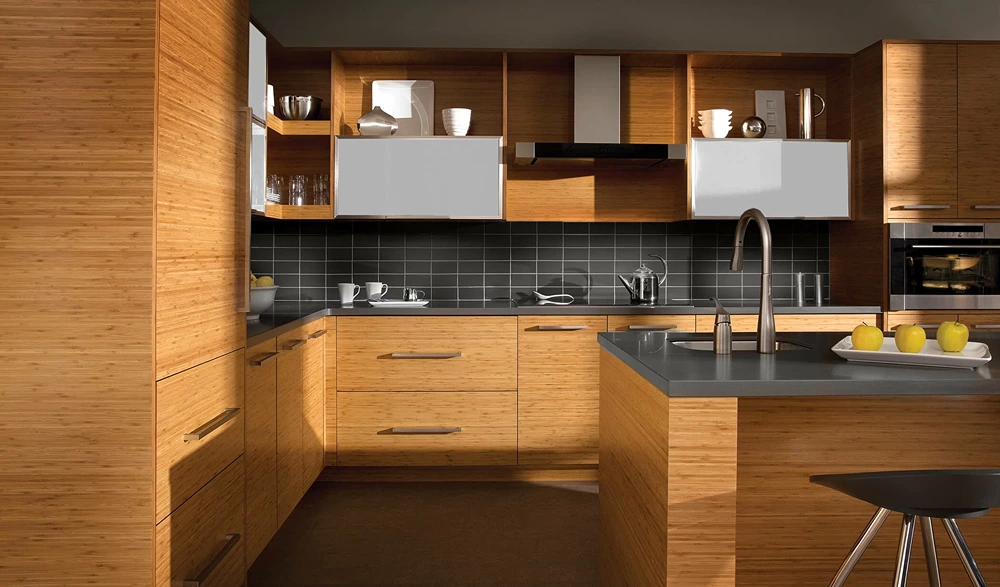
Asian kitchens often feature wood as a primary material, creating a warm and inviting atmosphere. Bamboo, in particular, is popular due to its durability and sustainability. It’s used for everything from flooring to cabinetry and even countertops.
Incorporating Stone and Ceramic
Stone and ceramic are also integral to Asian kitchen design. These materials are used for countertops, backsplashes, and flooring, providing a natural, earthy feel that complements the wooden elements. Sleek countertops made from these materials not only enhance the aesthetic appeal but also offer durability and ease of maintenance. By choosing sleek, minimalist countertops, you can achieve a seamless look that aligns with the principles of Asian-inspired design.
Color Schemes in Asian Kitchen Design
Asian kitchens typically employ a palette of earthy and neutral tones. These colors create a calming and harmonious environment, essential in Asian-inspired design. However, bold accents are not uncommon, providing a striking contrast and adding a touch of modernity to the traditional aesthetic.
Furniture and Cabinetry Styles
Minimalist and Functional Designs
Furniture in Asian kitchens is designed with minimalism and functionality in mind. The focus is on clean, uncluttered lines, with every piece serving a purpose. This approach not only creates a sense of space but also enhances the kitchen’s usability.
Traditional vs. Modern Influences
While traditional Asian kitchen design is rooted in simplicity and natural materials, modern influences have led to a blend of old and new. This fusion can be seen in the sleek, contemporary lines of cabinetry and appliances, juxtaposed with traditional elements like bamboo or wooden accents. Smart kitchens embody this blend perfectly by integrating advanced technology with minimalist design principles. These kitchens offer convenience and efficiency, making them a perfect fit for those who appreciate both tradition and innovation.
Design Inspirations and Ideas
Japanese Zen Kitchen Concepts
The Japanese Zen kitchen is a prime example of the balance between beauty and functionality. These kitchens are designed with simplicity and harmony in mind, using a limited color palette and natural materials. Key features include open shelving, minimalistic decor, and an emphasis on clean, uncluttered spaces.
Chinese-Inspired Kitchen Designs
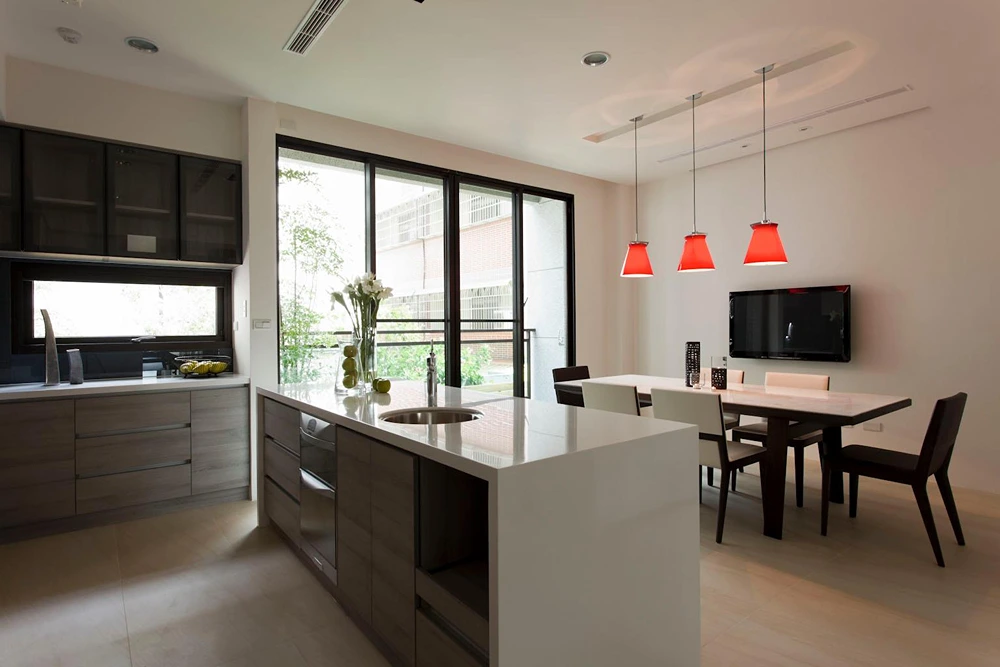
Chinese-inspired kitchens are known for their rich colors and ornate details. They often incorporate Feng Shui principles to ensure a harmonious flow of energy. The design includes bold color schemes, intricate patterns, and detailed woodwork, reflecting the richness of Chinese culture.
Practical Tips for Creating Your Asian-Inspired Kitchen
Planning and Layout Considerations
When designing an Asian-inspired kitchen, efficient use of space is crucial. This involves thoughtful planning and layout to ensure a functional yet aesthetically pleasing kitchen. Incorporating Asian design principles can help achieve a balance between form and function.
Selecting Materials and Finishes
Choosing the right materials and finishes is key to creating an authentic Asian-inspired kitchen. Opt for durable, sustainable options that not only look beautiful but also stand the test of time. Blending aesthetics with functionality is essential in achieving the perfect Asian kitchen design.
Lighting and Accessories in Asian Kitchens
Importance of Natural Lighting
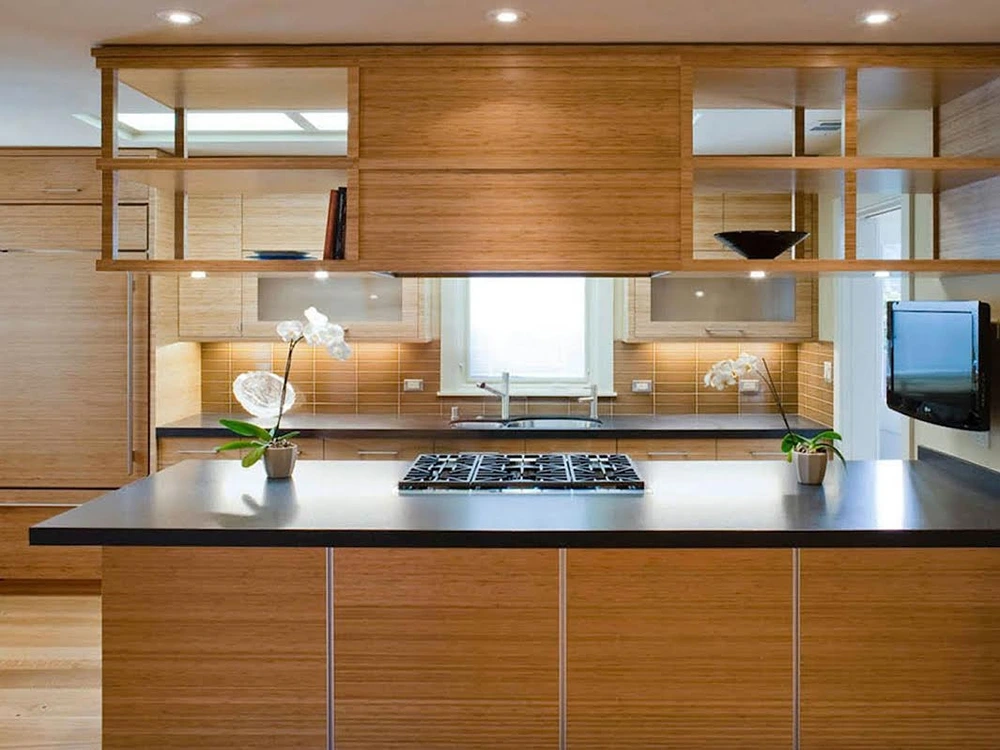
Asian kitchen design places a high emphasis on natural lighting. Large windows or skylights are common features, allowing sunlight to illuminate the space and create a warm, welcoming environment. Minimalist kitchen lighting can further enhance this natural ambiance by providing subtle, unobtrusive illumination that complements the overall design. By incorporating minimalist lighting solutions, you can maintain the clean, uncluttered look that is characteristic of Asian-inspired kitchens.
Decorative Elements
Asian kitchens often include decorative elements that add a touch of elegance and cultural depth. These might include traditional artworks, calligraphy, or pottery, subtly incorporated to enhance the overall aesthetic.
How to Plan a Japanese-Style Kitchen
Japanese-style kitchens are a popular choice within the broader category of Asian-inspired designs. They are known for their minimalist approach, clean lines, and a focus on natural materials. Here are some key aspects to consider:
- Simplicity and Harmony: Japanese kitchens are all about uncluttered spaces and a harmonious blend of colors and materials.
- Key Features and Decor: Incorporate elements like bamboo, rice paper, and natural wood. Use open shelving and keep decor minimalistic.
Chinese-Inspired Kitchen Designs
Chinese kitchen designs are another facet of Asian-inspired styles, offering a more ornate and colorful approach.
- Rich Colors and Ornate Details: These kitchens often feature bold colors, intricate carvings, and detailed woodwork.
- Feng Shui Principles: Layout and design are guided by Feng Shui to ensure a harmonious flow of energy.
Practical Tips for Asian-Inspired Kitchens
Efficient Use of Space
Asian kitchens are known for their efficient use of space. This is particularly important in smaller kitchens, where every inch counts. Consider multi-functional furniture and innovative storage solutions.
Incorporating Asian Design Principles
When designing your kitchen, think about how you can incorporate traditional Asian design principles into the space. This might include the use of natural materials, a focus on balance and symmetry, and the integration of indoor and outdoor elements.
Frequently Asked Questions
- Natural materials like wood and bamboo
- Clean, horizontal lines and minimalistic design
- Efficient use of space and innovative storage solutions
- Earthy and neutral color palettes with occasional bold accents
- Arrange your kitchen layout to ensure a smooth flow of energy
- Use natural materials and colors to create a harmonious space
- Consider the placement of appliances and furniture to promote balance
Absolutely. Asian-inspired kitchens are known for their efficient use of space, making them ideal for smaller homes and apartments.
Related Posts

Future Kitchen Technologies: Revolutionizing Home Cooking and Design
The kitchen, often considered the heart…


Tech-Advanced Kitchen Design: The Future of Culinary Spaces
The kitchen, traditionally the heart of…