

Biophilic design in kitchens is more than a trend; it’s a way to bring the calming, rejuvenating presence of nature into the heart of our homes. As we spend more time indoors, the need to incorporate elements of the natural world into our living spaces becomes increasingly important for our mental health and wellbeing. Biophilic kitchen designs don’t just look fabulous; they create a nurturing environment that enhances our connection to nature.
Key Takeaways:
- Biophilic design is about creating a material and sensory connection with nature.
- Incorporating natural materials, textures, and light can significantly boost mental health.
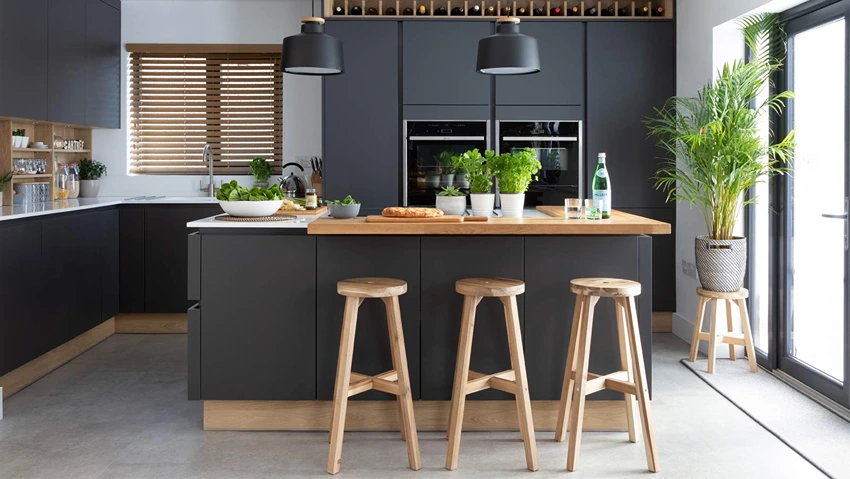
- Biophilic elements in kitchen design include natural materials, greenery, natural light, and organic forms.
The Essence of Biophilic Design in Kitchens
Natural Materials: The Foundation of Biophilic Design
Biophilic design emphasizes the use of natural materials that we would find in nature, such as wood, stone, metals, glass, cork, terracotta, and bamboo. These materials not only bring the outdoors in but also promote sustainability. For more insights on creating an environmentally conscious kitchen, explore eco-friendly kitchen design. Embracing eco-friendly principles ensures that your kitchen not only looks beautiful but also minimizes its environmental impact, aligning perfectly with the ethos of biophilic design.
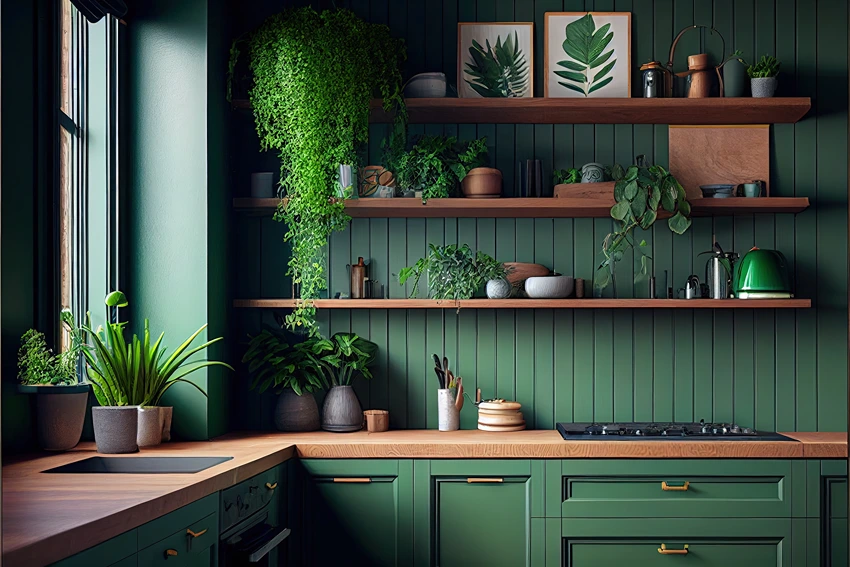
Table: Common Natural Materials in Biophilic Kitchens
| Material | Characteristics | Benefits |
| Wood | Warm, versatile | Connects with nature, durable |
| Stone | Robust, unique | Natural aesthetic, long-lasting |
| Bamboo | Sustainable, light | Eco-friendly, flexible design options |
Incorporating Texture for a Multi-Sensory Experience
Moving away from the sleek and glossy, biophilic design brings in textures that appeal to our tactile senses. Textured cabinet fronts, knurled door handles, and 3D wall tiles are just a few ways to introduce texture into your kitchen.
Biomorphic Shapes and Patterns
Derived from the Greek words ‘bios’ (life) and ‘morphe’ (form), biomorphic design means shapes inspired by nature. This approach includes softer lines and natural patterns, enhancing the visual connection to the natural world.

Maximizing Mental Health Benefits with Biophilic Elements
The Power of Plants and Greenery
Plants are a cornerstone of biophilic design. They not only improve air quality but also have a proven positive impact on mental health. Options range from potted houseplants to living walls, offering versatility in integrating greenery into kitchen spaces.
Harnessing Natural Light
Natural light is a vital element in biophilic design. It not only illuminates the space but also plays a crucial role in regulating our circadian rhythms, thus impacting our mood and productivity. For additional lighting solutions that complement natural light, consider minimalist kitchen lighting. These designs can enhance the natural ambiance of your kitchen, ensuring a well-lit and aesthetically pleasing environment.
Table: Benefits of Natural Light in Kitchens
| Aspect | Impact on Health | Impact on Design |
| Mood Enhancement | Reduces SAD symptoms | Creates a welcoming atmosphere |
| Circadian Rhythm | Regulates sleep patterns | Changes the ambiance throughout the day |
Design Principles for Biophilic Kitchens
Creating a Multi-Sensory Environment
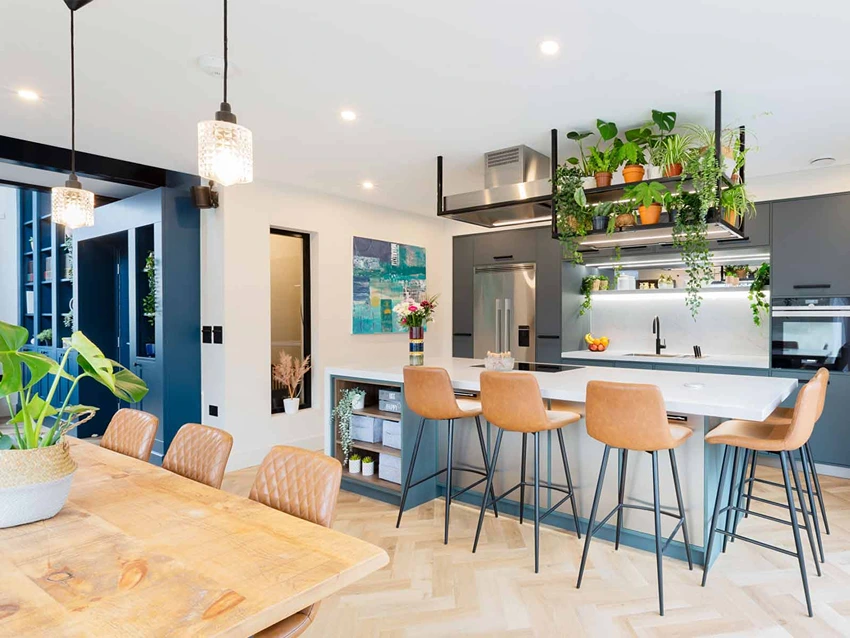
A biophilic kitchen is not just about visuals; it’s about engaging all senses. This includes the textures you feel, the natural light that changes throughout the day, and even the sounds and scents of nature.
Color Palettes Inspired by Nature
Earthy tones and natural hues are integral to biophilic design. These colors evoke a sense of calm and bring the essence of the outdoors inside.
Table: Popular Color Palettes in Biophilic Design
| Color | Mood | Application |
| Greens | Calming, natural | Walls, accents |
| Earthy Browns | Warm, grounding | Cabinets, furniture |
| Blues | Serene, refreshing | Backsplashes, accents |
Case Studies: Real-World Biophilic Kitchen Designs
Analyzing real-world examples provides practical insights into how designers incorporate biophilic elements into kitchen spaces. These case studies reveal the transformative power of nature-inspired design in creating harmonious and healthy living spaces.
Practical Tips for Creating a Biophilic Kitchen
Choosing the Right Materials and Plants
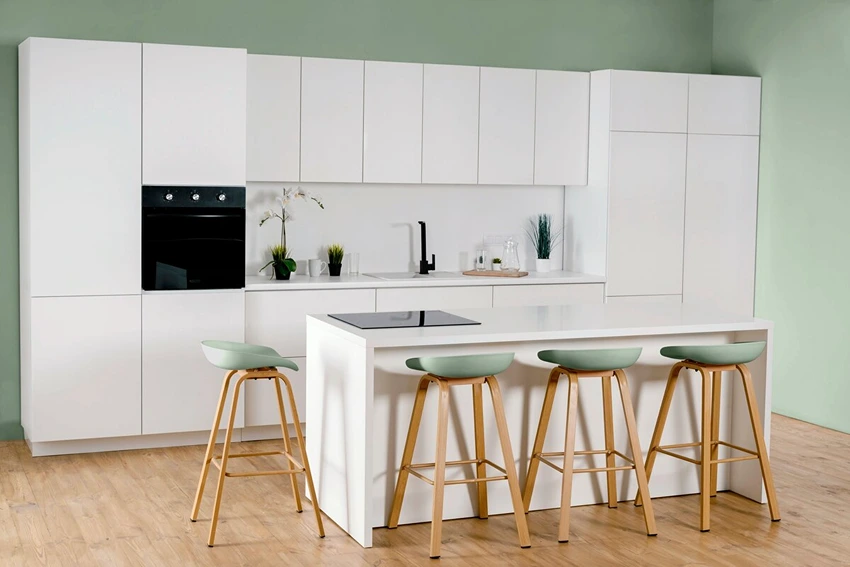
Selecting sustainable and natural materials is key in biophilic design. When choosing plants, consider both aesthetic and air-purifying qualities to enhance the kitchen’s environment.
Table: Selecting Plants for Biophilic Kitchens
| Plant Type | Benefits | Placement Ideas |
| Ferns | Air purifying, low light tolerant | Shelves, window sills |
| Herbs | Functional, aromatic | Kitchen counters, hanging pots |
| Small Trees | Visual impact, air purifying | Corners, beside windows |
Layout Considerations for Natural Light
Maximizing natural light involves thoughtful layout planning. Consider the placement of windows and the orientation of the kitchen to harness the best natural light throughout the day.
Sustainable Practices in Biophilic Design
Sustainability is a cornerstone of biophilic design. This includes using eco-friendly materials and considering energy-efficient appliances and lighting.
Trends and Innovations in Biophilic Kitchen Design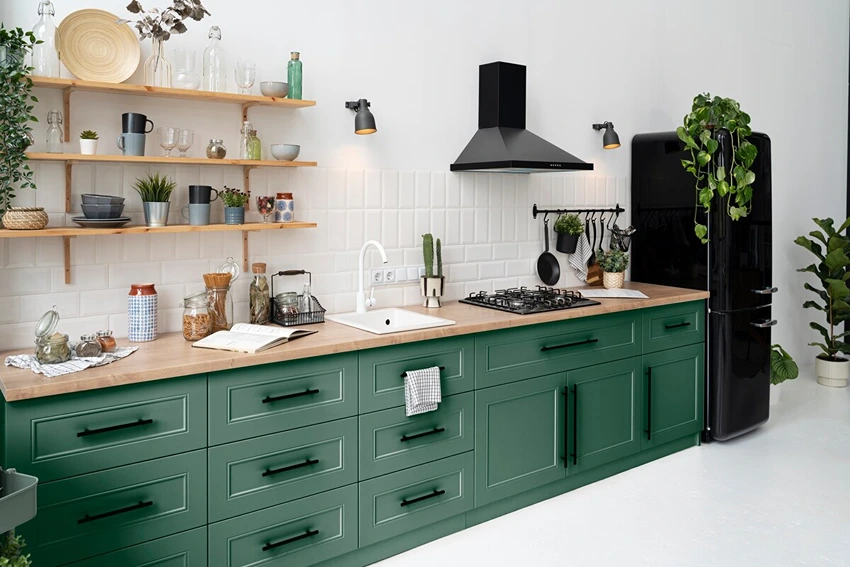
Emerging Trends in Kitchen Design
Current trends in biophilic design include the integration of technology with nature, such as smart systems for controlling natural light and climate, and the use of recycled materials.
Technological Integration in Biophilic Kitchens
Modern biophilic kitchens are seeing an increase in technological integrations that enhance the natural experience, like advanced ventilation systems and smart lighting that mimics natural light patterns. For those new to integrating technology in their kitchens, smart kitchens offer a great starting point. These innovations can seamlessly blend with biophilic elements, creating a harmonious and efficient kitchen space.
Challenges and Considerations in Biophilic Design
Balancing Aesthetics and Functionality
One of the main challenges in biophilic design is maintaining functionality while integrating natural elements. This involves creative solutions for incorporating greenery and natural materials without compromising on kitchen usability.
Maintenance and Longevity of Natural Elements
Natural materials and plants require maintenance. It’s important to consider the long-term care and durability of these elements in the kitchen environment.
Frequently Asked Questions About Biophilic Design Kitchens
- Utilize vertical space for greenery, like wall-mounted planters.
- Choose compact, air-purifying plants.
- Use mirrors to reflect natural light and create an illusion of space.
- While some natural materials can be costly, there are budget-friendly options like bamboo and recycled materials.
- Incorporating plants and maximizing natural light are cost-effective ways to achieve biophilic design.
- Choose low-maintenance, kitchen-friendly plants.
- Consider self-watering planters or set a regular watering schedule.
Yes, biophilic elements can be integrated into various kitchen styles, from modern to traditional.
Biophilic design can enhance the aesthetic appeal and uniqueness of a home, potentially increasing its market value.
Related Posts

Future Kitchen Technologies: Revolutionizing Home Cooking and Design
The kitchen, often considered the heart…


Tech-Advanced Kitchen Design: The Future of Culinary Spaces
The kitchen, traditionally the heart of…