

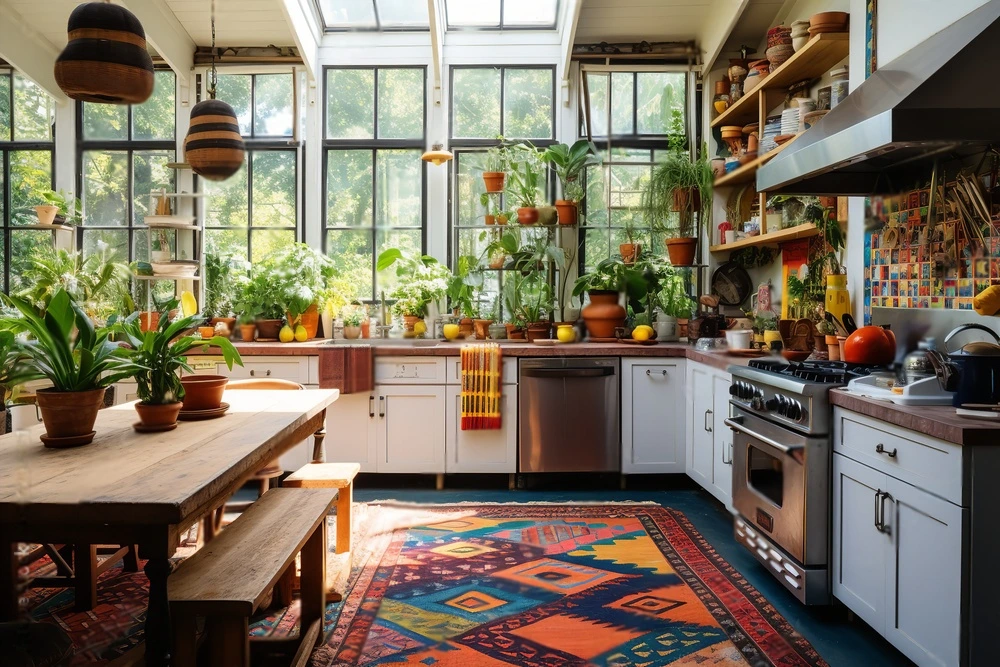
Eclectic kitchen styles represent a harmonious blend of varied design elements, textures, and color schemes, creating a unique and personalized space. This style is not just about mixing and matching; it’s about creating a cohesive look that reflects individuality and creativity. In this article, we delve into the world of eclectic kitchen designs, exploring their key elements, historical evolution, and practical tips for creating your own eclectic kitchen space.
Key Takeaways:
- Eclectic Design Essence: A mix of different styles and periods, creating a unique, personalized kitchen space.
- Key Elements: Involves mixing textures, materials, and color schemes while maintaining harmony.
- Furniture and Layout: Choosing eclectic furniture and effective layout strategies for a functional and stylish kitchen.
- Lighting and Accessories: The role of lighting and accessories in enhancing the eclectic appeal.
Introduction to Eclectic Kitchen Styles
Eclectic kitchen styles are a testament to the adage that beauty lies in diversity. This design approach embraces the bold use of colors, diverse textures, and a mix of old and new elements, creating a kitchen that is as unique as its owner.
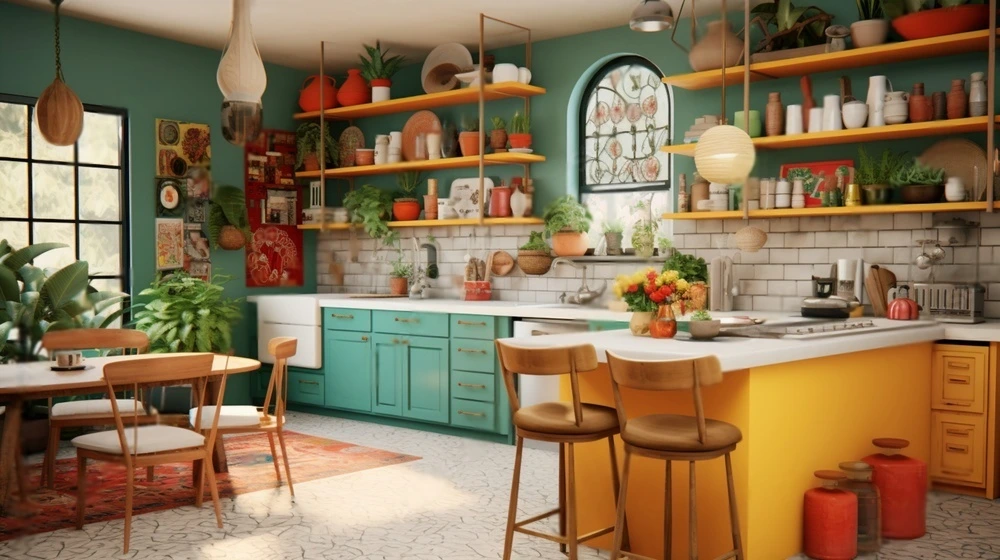
Historical Evolution of Eclectic Kitchens
The eclectic style has its roots in the early 20th century, evolving from the rich tapestry of Art Deco, Mid-Century Modern, and Bohemian styles. It represents a departure from traditional design norms, favoring a more personalized and less formulaic approach to kitchen design.
Origins and Influences
- Art Deco: Bold geometric patterns and rich colors.
- Mid-Century Modern: Clean lines and organic forms.
- Bohemian: Free-spirited, artistic, and colorful.
Key Elements of Eclectic Kitchen Design
Creating an eclectic kitchen is about balancing diversity with harmony. Here are the key elements to consider:
Mixing Textures and Materials
- Combining Wood and Metal: A juxtaposition of warm wood tones with cool metals.
- Incorporating Glass and Ceramics: Adds depth and texture.
Color Schemes and Patterns
- Bold and Vibrant Colors: Use of striking colors to create focal points.
- Pattern Play: Mixing patterns in a controlled manner.
Unique Decorative Features
- Artistic Backsplashes: Mosaic tiles or hand-painted designs.
- Statement Lighting Fixtures: Vintage or modern, lighting is a key element.
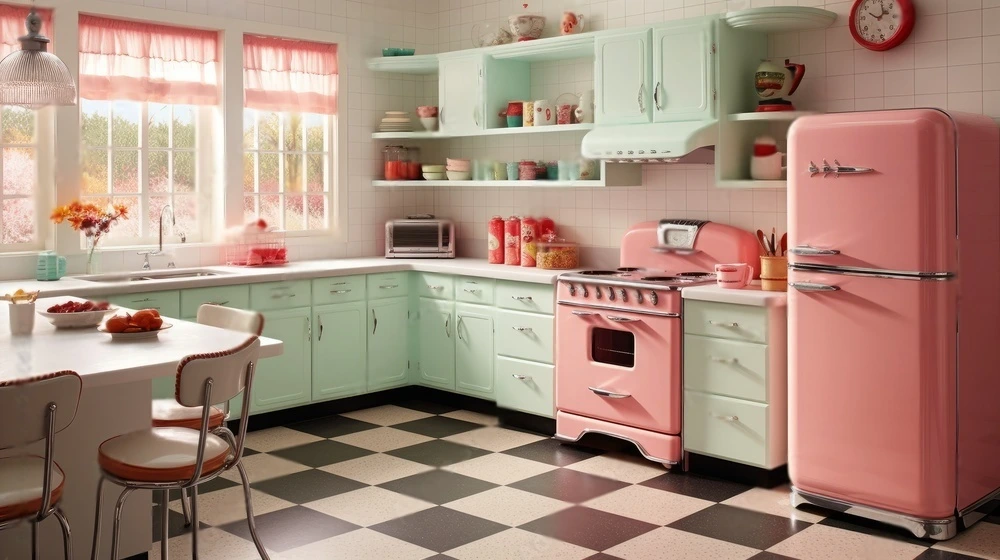
Furniture and Layout in Eclectic Kitchens
The furniture and layout of an eclectic kitchen should be both functional and expressive.
Choosing Eclectic Furniture
- Mix of Styles: Combining vintage chairs with a modern table.
- Custom Cabinetry: Unique designs that reflect personal style.
Effective Layout Strategies
- Open Shelving: For a casual, accessible look.
- Island as a Focal Point: A central piece that ties the room together.
Lighting and Accessories
Lighting and accessories play a crucial role in defining the eclectic style.
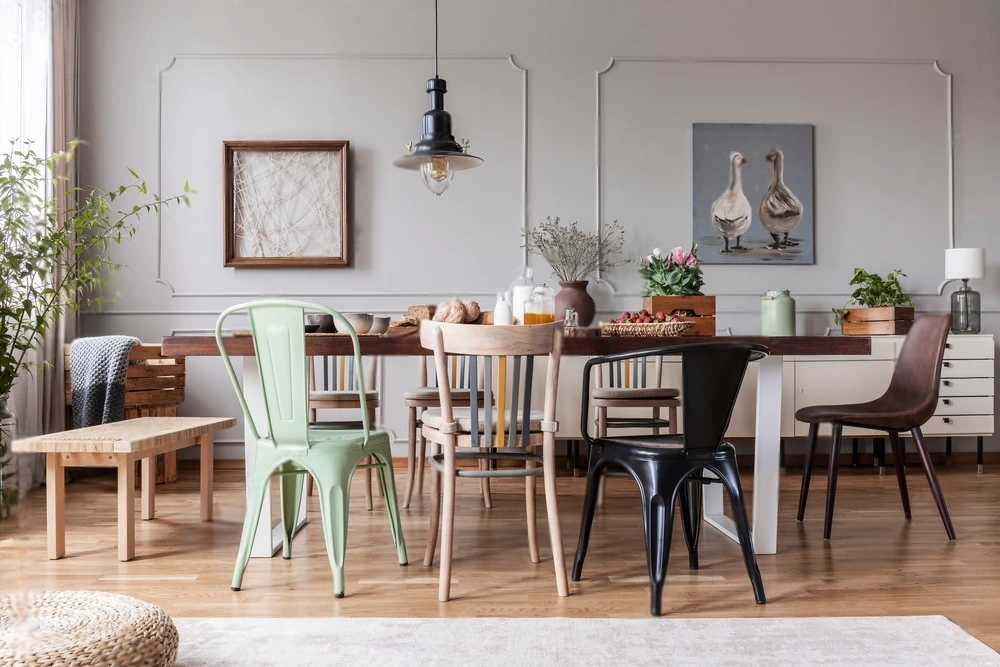
Role of Lighting in Eclectic Kitchens
- Layered Lighting: A combination of ambient, task, and accent lighting.
- Unique Fixtures: Chandeliers or industrial-style pendants.
Accessorizing for Character and Style
- Decorative Objects: Art pieces, vintage finds, and plants.
- Textiles: Rugs and curtains to add warmth and texture.
Case Studies: Real-World Eclectic Kitchens
Analyzing real-world examples provides valuable insights into the eclectic style.
Analysis of Eclectic Kitchen Examples
- Mix of Eras: Combining elements from different time periods.
- Personal Touches: Display of personal collections or artwork.
Lessons and Inspirations
- Balance is Key: Maintaining a cohesive look amidst diversity.
- Express Yourself: The kitchen as a canvas for personal expression.
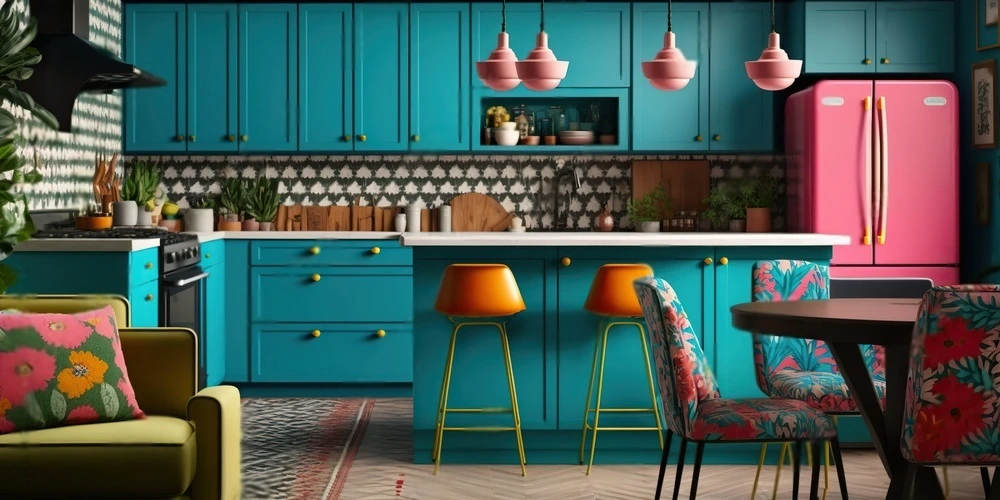
Creating Your Eclectic Kitchen: A Step-by-Step Guide
Embarking on creating an eclectic kitchen involves careful planning and a keen eye for design.
Planning and Conceptualization
- Define Your Style: Understand what eclectic means to you.
- Gather Inspirations: Use resources like The Spruce for ideas and inspiration.
Selecting Materials and Colors
- Choose a Color Palette: Start with a base color and build around it.
- Material Selection: Mix materials like wood, metal, and glass.
Implementing Design Elements
- Start with Key Pieces: Begin with furniture or a statement wall.
- Layer Gradually: Add accessories and textiles over time.
Maintenance and Upkeep of Eclectic Kitchens
Maintaining an eclectic kitchen involves regular care and an understanding of the materials used.
Regular Maintenance Tips
- Cleaning Varied Surfaces: Different materials require different cleaning methods.
- Regular Checks: Keep an eye on vintage pieces for wear and tear.
Long-term Care Strategies
- Periodic Updates: Refresh accessories or repaint to keep the look fresh.
- Protecting Materials: Use appropriate protectants for wood and metal surfaces.
Common Mistakes to Avoid in Eclectic Kitchen Design
Avoiding common pitfalls ensures a successful eclectic design.
Over-cluttering
- Balance is Crucial: Too many elements can create chaos.
- Curate Carefully: Choose each piece with intention.
Inconsistent Theming
- Unified Vision: Ensure all elements contribute to the overall theme.
- Avoid Randomness: Each piece should have a purpose and place.

FAQs on Eclectic Kitchen Styles
- Mix of Eras and Styles: Combining elements from different time periods and design styles.
- Personalized Touch: Incorporating personal collections, artwork, and unique finds.
- Color Coordination: Use a consistent color palette to unify different elements.
- Strategic Placement: Arrange items in a way that creates visual balance and harmony.
- Smart Layout: Ensure the kitchen layout is practical for cooking and movement.
- Functional Pieces: Choose furniture and accessories that are both stylish and functional.
Implementing Eclectic Design Elements
Statement Tile
- Backsplash and Flooring: Use bold, patterned tiles to create a focal point.
- Mix and Match: Combine different tile designs for a unique look.
Unique Lighting
- Vintage and Modern Mix: Incorporate a mix of vintage and contemporary lighting fixtures.
- Layered Lighting: Use a combination of ambient, task, and accent lighting for functionality and style.
Simple Elements
- Neutral Backdrops: Use simple, neutral colors for walls or cabinetry to balance busier elements.
- Minimalist Furniture: Choose pieces with clean lines to offset more ornate items.
Organic Elements
- Natural Materials: Incorporate wood, stone, or plants for a touch of nature.
- Fresh Herbs and Produce: Display fresh herbs or produce for a lively, organic feel.
Cool Stools
- Eclectic Seating: Select stools that complement or contrast with other kitchen elements.
- Mix of Styles: Combine different stool designs for an eclectic look.
Maintenance and Upkeep of Eclectic Kitchens
| Maintenance Aspect | Tips and Strategies |
| Cleaning Surfaces | Use appropriate cleaners for different materials like wood, metal, and tile. |
| Regular Checks | Inspect vintage pieces and hardware regularly for wear and tear. |
| Updates | Refresh accessories or repaint areas to keep the kitchen looking vibrant. |
| Protecting Materials | Apply protectants to wood and metal surfaces to prolong their life. |
Common Mistakes to Avoid
Over-cluttering
- Curate Your Space: Avoid overcrowding the kitchen with too many items.
- Functional Decor: Choose decorative items that also serve a practical purpose.
Inconsistent Theming
- Unified Vision: Ensure all elements contribute to a cohesive theme.
- Purposeful Choices: Select each piece with a specific purpose in mind.
Related Posts

Future Kitchen Technologies: Revolutionizing Home Cooking and Design
The kitchen, often considered the heart…


Tech-Advanced Kitchen Design: The Future of Culinary Spaces
The kitchen, traditionally the heart of…