

In the realm of home design, the kitchen stands as a central hub, a place where both functionality and aesthetics converge. Embracing eco-friendly kitchen ideas not only contributes to a healthier environment but also brings a unique, sustainable charm to your home. This comprehensive guide delves into various aspects of designing an eco-friendly kitchen, from materials and products to energy-efficient appliances and water conservation techniques.
Key Takeaways
- Eco-Friendly Materials: Opt for sustainable wood, bamboo, and recycled materials.
- Energy Efficiency: Choose Energy Star rated appliances and LED lighting.
- Water Conservation: Install low-flow faucets and consider water recycling systems.
- Waste Reduction: Embrace composting and reusable products.
- Sustainable Food Storage: Utilize energy-efficient cooking methods and sustainable storage options.
Eco-Friendly Materials and Products

Sustainable Wood and Bamboo
When it comes to cabinetry and countertops, sustainable wood and bamboo are excellent choices. These materials not only offer durability but also come from renewable sources, ensuring a lower environmental impact. Look for certifications like FSC (Forest Stewardship Council) to guarantee the wood is sourced responsibly.
Recycled Materials
Recycled materials are becoming increasingly popular in kitchen design. From recycled glass countertops to reclaimed wood cabinets, these materials reduce waste and add a unique aesthetic to your kitchen. They are a testament to the beauty and functionality that can be achieved through recycling.
Non-Toxic Paints and Finishes
The choice of paints and finishes plays a crucial role in maintaining an eco-friendly kitchen. Opt for low-VOC or non-toxic paints to ensure better air quality and reduce harmful emissions. These paints are not only safer for the environment but also for your family’s health.
Energy-Efficient Appliances and Lighting
Energy Star Rated Appliances
Energy-efficient appliances are a cornerstone of eco-friendly kitchens. Products with the Energy Star label meet strict energy efficiency guidelines set by the EPA and the Department of Energy. These appliances use less energy and water, leading to lower utility bills and a reduced carbon footprint.
LED Lighting Solutions
LED lighting is another essential element in eco-friendly kitchens. These lights consume significantly less energy compared to traditional incandescent bulbs and have a longer lifespan. Incorporating LED lighting can drastically reduce your kitchen’s energy consumption.

Water Conservation Techniques
Low-Flow Faucets
Low-flow faucets are a simple yet effective way to conserve water in the kitchen. According to the US EPA, WaterSense labeled products can help save water and are backed by independent certification for performance. These faucets reduce water flow without compromising on functionality, making them an ideal choice for eco-conscious homeowners.
Water Recycling Systems
For those looking to take water conservation a step further, water recycling systems can be integrated into the kitchen. These systems collect and reuse greywater from sinks and dishwashers for other purposes, such as watering plants, further reducing the overall water usage in your home.
Reducing Waste in the Kitchen
Composting
Composting is an effective way to reduce kitchen waste and contribute to a healthier environment. By composting organic waste, you can create nutrient-rich soil for your garden, reducing the need for chemical fertilizers and minimizing landfill waste.
Reusable Products
Switching to reusable products is another step towards a more sustainable kitchen. Opt for cloth towels over paper, use glass or stainless steel storage containers instead of plastic, and choose eco-friendly cookware. These small changes can significantly reduce the amount of waste generated in your kitchen.
Eco-Friendly Cooking and Food Storage
Energy-Efficient Cooking Methods
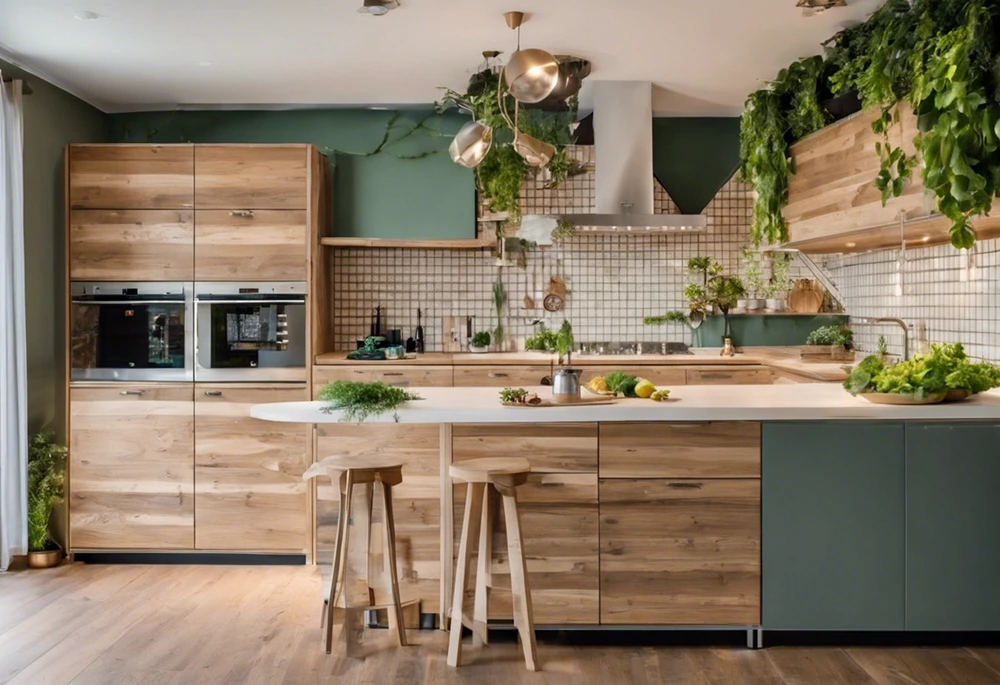
Energy-efficient cooking methods, such as using pressure cookers or cooking in batches, can reduce energy consumption. Additionally, using the right size pots on stove burners and keeping lids on pots can also conserve energy.
Sustainable Food Storage Options
Sustainable food storage options, like beeswax wraps and silicone lids, are great alternatives to plastic wrap and aluminum foil. These reusable options not only reduce waste but also keep your food fresh without the use of harmful chemicals.
Sustainable Decorating Ideas
Upcycled and Repurposed Decor
Incorporating upcycled and repurposed items into your kitchen decor not only adds character but also reduces waste. Old furniture pieces can be transformed into kitchen islands or shelving, giving them a new lease on life while adding a unique touch to your space.
Eco-Friendly Paints and Wallpapers
Choosing eco-friendly paints and wallpapers is crucial for a sustainable kitchen. These products, free from harmful chemicals, not only safeguard your health but also contribute to a healthier environment.
Trends in Eco-Friendly Kitchen Design
Minimalist and Natural Designs
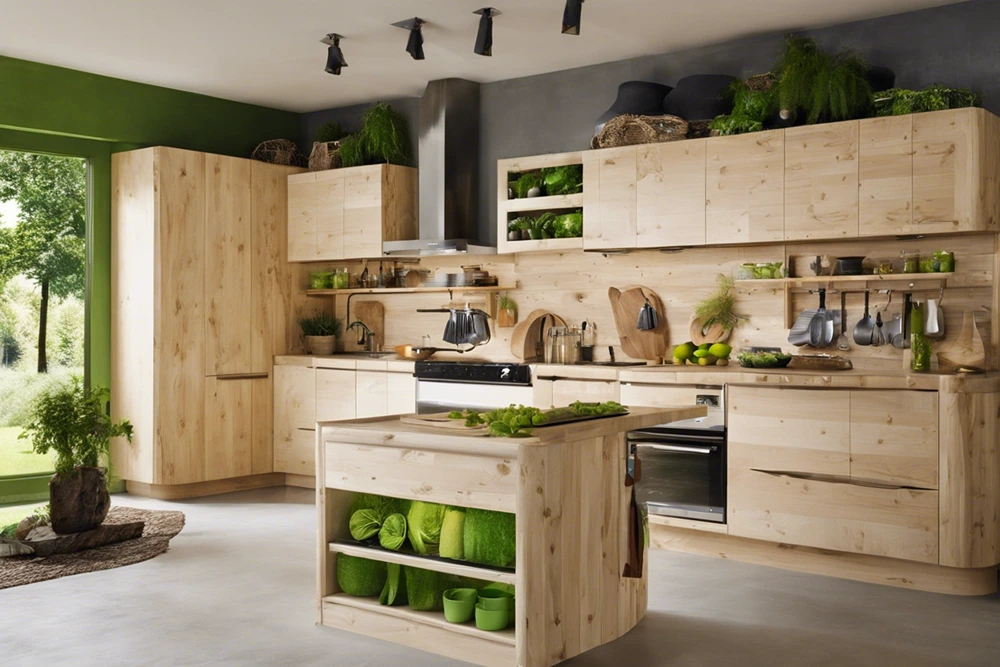
The minimalist trend, focusing on simplicity and functionality, aligns perfectly with eco-friendly principles. Natural materials, neutral colors, and clutter-free spaces create a serene and sustainable kitchen environment.
Smart Kitchens and Technology Integration
Smart kitchens, equipped with energy-efficient and water-saving technologies, are at the forefront of eco-friendly design. Integrating smart appliances and systems can significantly reduce your kitchen’s environmental impact.
Frequently Asked Questions
- Sustainable Wood and Bamboo: Renewable and durable.
- Recycled Materials: Glass, metal, and reclaimed wood.
- Non-Toxic Finishes: Low-VOC or natural oil finishes.
- Energy Star Appliances: Choose appliances with the Energy Star label for maximum efficiency. Energy Star provides a comprehensive list of certified products.
- LED Lighting: Opt for LED bulbs and fixtures for long-lasting, energy-efficient lighting.
- Low-Flow Faucets: Install faucets with a lower flow rate to conserve water.
- Efficient Dishwashers: Choose dishwashers that use less water per cycle.
- Composting: Set up a compost bin for organic waste.
- Reusable Products: Use cloth towels, glass containers, and eco-friendly cookware.
- Smart Appliances: Invest in appliances that offer energy and water-saving features.
- Home Automation: Use smart systems for efficient energy and water management.
Related Posts

Future Kitchen Technologies: Revolutionizing Home Cooking and Design
The kitchen, often considered the heart…


Tech-Advanced Kitchen Design: The Future of Culinary Spaces
The kitchen, traditionally the heart of…