

In the realm of kitchen design, the shift towards sustainability has become increasingly prominent. Eco-friendly kitchen paint is not just a trend; it’s a responsible choice for health and the environment. This article delves into the world of eco-friendly paints, highlighting their benefits, types, and application tips to transform your kitchen into a sustainable masterpiece.
Key Takeaways:
- Eco-friendly paints are healthier and safer for the environment.
- Types of eco-friendly paints include water-based, low-VOC, and natural paints.
- Benefits range from improved air quality to a reduced ecological footprint.
- Choosing the right paint involves understanding labels and matching with kitchen style.
- Application tips ensure a smooth, long-lasting finish.
Understanding Eco-Friendly Paints
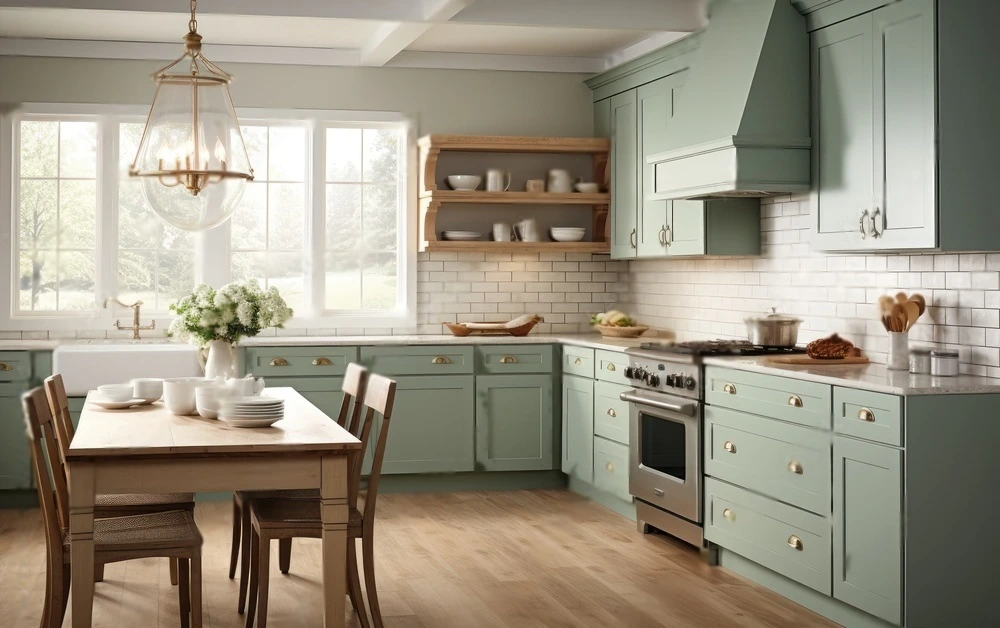
Eco-friendly paints are designed with the health of the environment and individuals in mind. They are characterized by their low or non-existent levels of volatile organic compounds (VOCs), which are harmful chemicals that evaporate at room temperature.
The Importance of Low VOCs
- Healthier Indoor Air Quality: Low VOC paints reduce the risk of respiratory problems and headaches.
- Environmental Protection: They minimize the release of harmful chemicals into the atmosphere.
The Rise of Eco-Friendly Kitchen Design
The trend towards eco-friendly kitchen design reflects a growing awareness of environmental issues and a desire for healthier living spaces.
Sustainable Design Trends
- Increased Demand for Eco-Friendly Materials: Consumers are choosing sustainable options like eco-friendly paints.
- Integration with Modern Aesthetics: Eco-friendly doesn’t mean compromising on style.
Types of Eco-Friendly Kitchen Paints
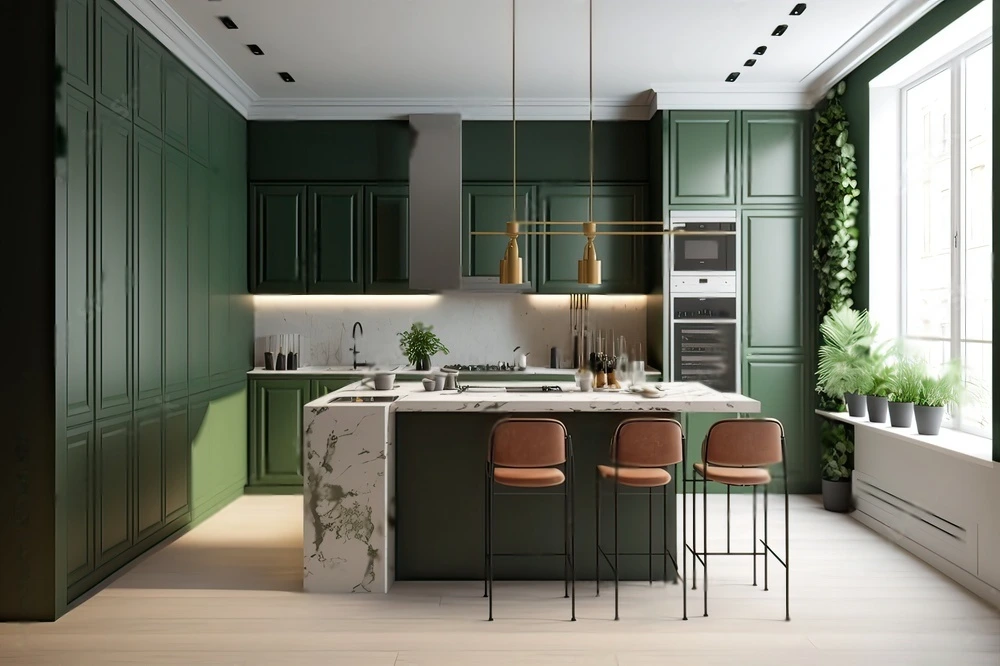
There are several types of eco-friendly paints, each offering unique benefits and characteristics.
Water-Based Paints: Latex and Acrylic
- Latex Paints: Known for their ease of application and clean-up.
- Acrylic Paints: Offer enhanced durability and resistance to fading.
Low-VOC and No-VOC Paints
- Low-VOC Paints: Contain reduced levels of harmful chemicals.
- No-VOC Paints: The most environmentally friendly option, with minimal chemical content.
Natural Paints
- Made from Natural Ingredients: Such as clay, chalk, and lime.
- Biodegradable and Non-Toxic: Safe for both the environment and homeowners.
Benefits of Eco-Friendly Paint in Kitchens
Eco-friendly paints offer numerous advantages over traditional paints, making them an ideal choice for kitchen renovations.
Health and Environmental Advantages
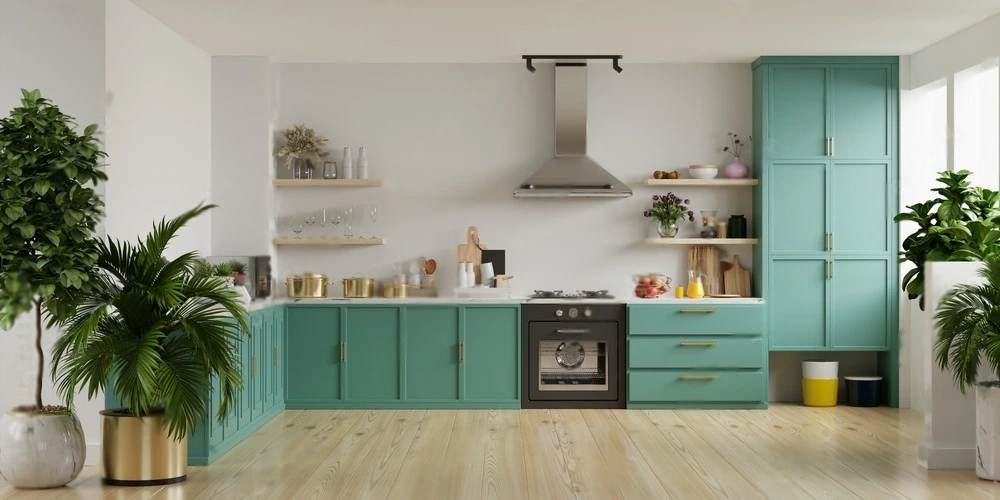
- Improved Air Quality: Low VOC content ensures cleaner indoor air.
- Reduced Carbon Footprint: Eco-friendly paints contribute to a healthier planet.
Durability and Aesthetic Appeal
- Long-Lasting Finish: High-quality eco-friendly paints can be as durable as traditional paints.
- Wide Range of Colors and Finishes: Eco-friendly paints come in various hues and finishes, fitting any kitchen design.
Choosing the Right Eco-Friendly Paint
Selecting the right eco-friendly paint involves understanding labels and considering the kitchen’s style and materials.
Understanding Labels and Ingredients
- VOC Content: Look for labels indicating low or no VOCs.
- Ingredient Transparency: Choose brands that disclose their ingredients.
Matching Paint with Kitchen Style
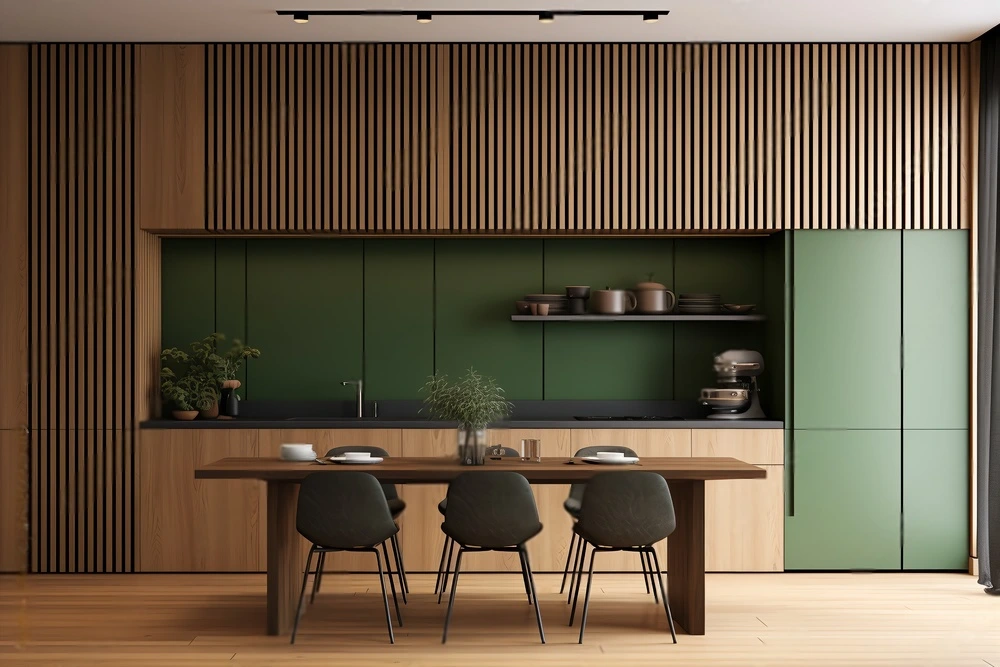
- Color Selection: Choose colors that complement your kitchen’s design.
- Finish Types: Consider the desired finish, whether matte, glossy, or satin.
Application Tips for Eco-Friendly Kitchen Paint
Proper application is key to achieving the best results with eco-friendly paints.
Preparing Your Kitchen
- Surface Preparation: Ensure surfaces are clean, dry, and smooth.
- Primer Application: Use an eco-friendly primer for better paint adhesion.
Best Practices for Applying Paint
- Even Coating: Apply paint in thin, even layers.
- Drying Time: Allow sufficient time for the paint to dry between coats.
Maintenance and Care
- Regular Cleaning: Use gentle, eco-friendly cleaning products.
- Touch-Ups: Address chips and scratches promptly to maintain the finish.
Tables Packed with Value
Table 1: Comparison of Paint Types
| Paint Type | VOC Content | Durability | Application |
| Latex | Low | High | Easy |
| Acrylic | Low | Very High | Moderate |
| Natural | None | Moderate | Challenging |
| Benefit | Description |
| Healthier Air | Reduces indoor air pollutants |
| Environmental Care | Lowers ecological impact |
| Aesthetic Variety | Wide range of colors and finishes available |
| Durability | Comparable to traditional paints |
Table 2: Eco-Friendly Paint Benefits
Advanced Tips for Selecting Eco-Friendly Paint
Choosing the right eco-friendly paint goes beyond just picking a color. It involves understanding the specific needs of your kitchen environment and how different paints react to these conditions.
Factors to Consider
- Kitchen Humidity and Temperature: Some eco-friendly paints perform better in specific environmental conditions.
- Light Exposure: Consider how natural and artificial light will affect the paint color and longevity.
Expert Recommendations
- Consult with Professionals: Seek advice from experienced painters or designers who are knowledgeable about eco-friendly options.
Innovative Application Techniques
The application of eco-friendly paint can be unique compared to traditional paints. Here are some innovative techniques to ensure the best finish.
Specialized Tools for Eco-Paints
- Brushes and Rollers: Select tools that are specifically designed for eco-friendly paints for a smoother application.
Creative Techniques
- Layering: Experiment with different layering techniques to achieve unique textures and effects.
Long-Term Maintenance and Upkeep
Maintaining eco-friendly paint is crucial for preserving its appearance and sustainability benefits.
Eco-Friendly Cleaning Solutions
- Natural Cleaners: Use environmentally friendly cleaners that won’t damage the paint or indoor air quality.
Regular Maintenance Tips
- Routine Checks: Regularly inspect painted surfaces for any signs of wear or damage.
Tables with In-Depth Information
Table 3: Eco-Paint Selection Factors
| Factor | Consideration |
| Humidity | Suitability for high-moisture environments |
| Temperature | Resistance to temperature variations |
| Light Exposure | Fading resistance and color stability |
Table 4: Application Techniques
| Technique | Description |
| Brush Selection | Types of brushes ideal for eco-paints |
| Layering | Methods for achieving desired textures |
Frequently Asked Questions
Addressing common queries about eco-friendly kitchen paint to help you make informed decisions.
Eco-friendly paints can have a comparable lifespan to traditional paints, often lasting several years with proper application and maintenance.
Yes, most eco-friendly paints are formulated to be durable and can withstand regular cleaning, though it’s best to use gentle, eco-friendly cleaning products.
While eco-friendly paints used to have limited color options, advancements have greatly expanded their color range to include a wide variety of shades.
Eco-friendly paints significantly improve indoor air quality by reducing the emission of harmful VOCs, making them a healthier choice for homes.
Related Posts

Future Kitchen Technologies: Revolutionizing Home Cooking and Design
The kitchen, often considered the heart…


Tech-Advanced Kitchen Design: The Future of Culinary Spaces
The kitchen, traditionally the heart of…