

Eco-friendly kitchen flooring is more than just a trend; it’s a commitment to sustainability and a healthier lifestyle. With indoor pollutant levels often higher than outdoor levels, choosing the right flooring is crucial for both environmental and personal health. Eco-friendly flooring options offer a responsible and stylish way to reduce indoor pollution and mitigate health problems associated with toxic materials.
Key Takeaways:
- Eco-friendly flooring reduces indoor pollution and health risks.
- Sustainable materials like bamboo, cork, and linoleum are popular choices.
- These options are often more durable and less expensive than conventional floors.
Understanding Eco-Friendly Materials
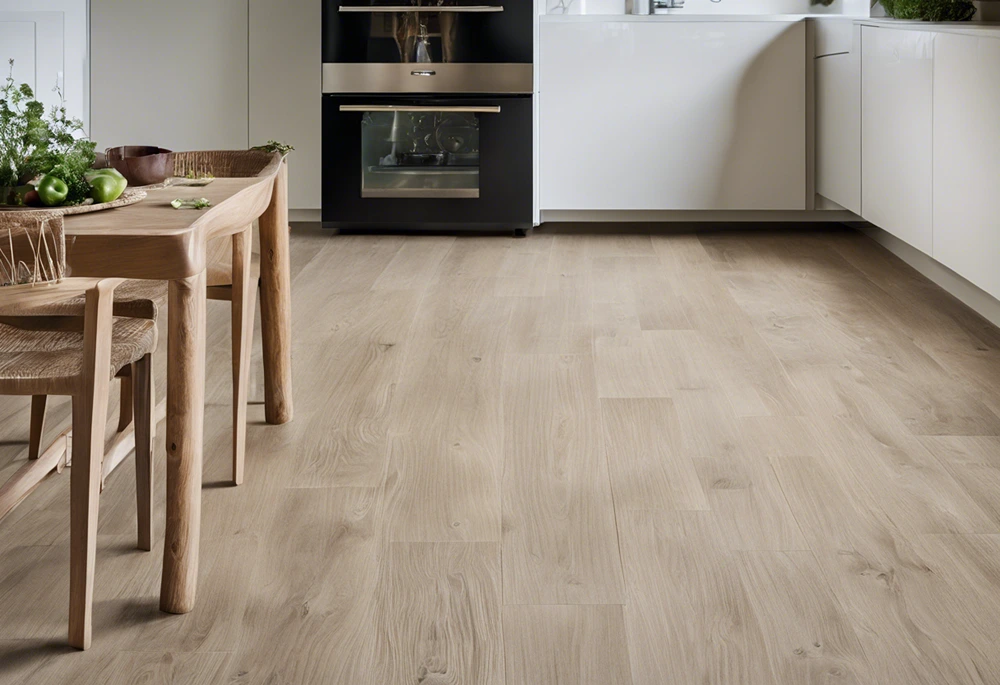
Eco-friendly flooring materials are designed to minimize environmental impact while providing a stylish and durable option for your kitchen. These materials are often sourced from sustainable forests, recycled content, or renewable resources, ensuring a lower carbon footprint and reduced harm to the ecosystem.
Sustainable Sources and Benefits
- Bamboo: Grows quickly and abundantly, making it a highly renewable resource.
- Cork: Harvested from the bark of cork oak trees without harming the tree.
- Linoleum: Made from natural materials like linseed oil and jute.
- Recycled Glass Tiles: Utilize recycled glass, reducing landfill waste.
- Reclaimed Hardwood: Salvaged from old buildings, reducing the need for new timber.
Popular Types of Eco Kitchen Flooring
When it comes to eco-friendly flooring, there are several options that not only look great but also offer various benefits in terms of sustainability, durability, and comfort.
Bamboo Flooring: Features and Benefits
- Sustainability: Bamboo is a fast-growing, renewable resource.
- Durability: Harder than many traditional hardwoods.
- Aesthetic Appeal: Offers a unique and modern look.
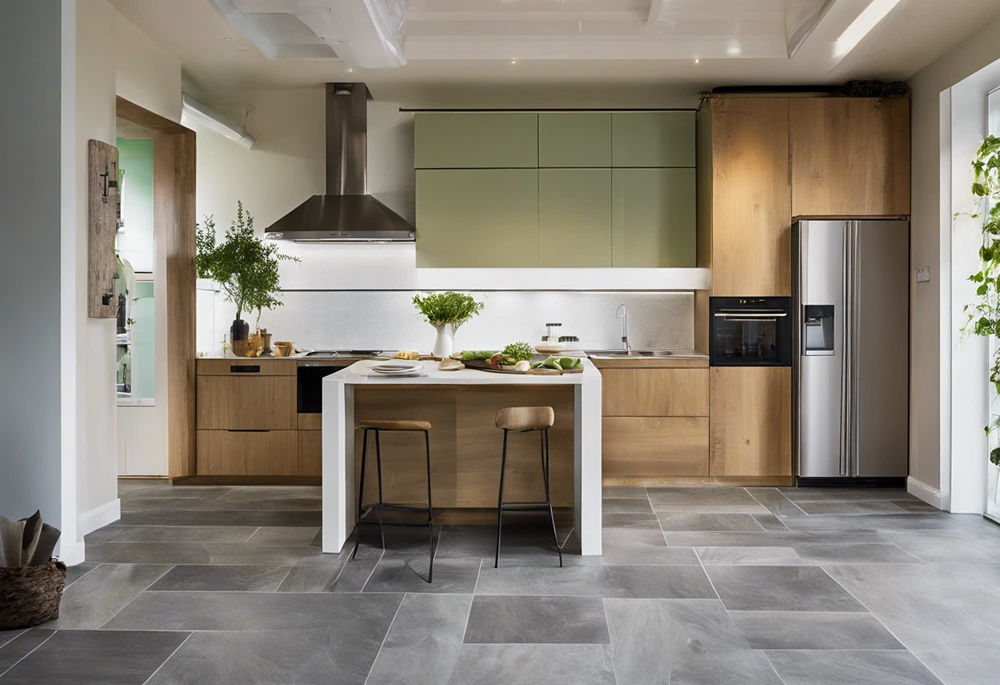
Cork Flooring: Durability and Comfort
- Comfort: Cork’s natural elasticity provides a comfortable walking surface.
- Acoustic Insulation: Reduces noise, a bonus for busy kitchens.
- Thermal Insulation: Natural insulator, keeping your kitchen warm.
Linoleum: Natural Ingredients and Longevity
- Eco-Friendly Composition: Made from linseed oil, wood flour, and cork dust.
- Durability: Resistant to wear and tear, ideal for high-traffic areas.
- Design Variety: Available in a range of colors and patterns.
Recycled Glass Tiles: Aesthetic Appeal and Sustainability
- Unique Design: Offers a modern and distinctive look.
- Eco-Friendly: Made from recycled glass, reducing environmental impact.
- Durability: Resistant to moisture and stains.
Reclaimed Hardwood: Historical Charm and Eco-Friendliness
- Sustainable: Reduces the demand for new timber.
- Unique Character: Each plank tells a story with its unique marks and grains.
- Strength: Often more durable than new wood due to age and seasoning.
Eco-Friendly Flooring Design Trends
The latest trends in eco-friendly kitchen flooring blend sustainability with style, offering a range of options to suit any kitchen design.

Current Trends in Eco-Friendly Flooring
- Natural Look: Emphasizing the beauty of natural materials.
- Bold Colors: Using vibrant colors for a modern twist.
- Geometric Patterns: Incorporating contemporary designs.
Aligning with Kitchen Design Aesthetics
- Rustic Charm: Reclaimed wood floors for a warm, rustic feel.
- Modern Elegance: Sleek bamboo or glass tiles for a contemporary look.
- Classic Comfort: Cork flooring for a traditional, cozy kitchen.
Maintenance and Longevity of Eco-Friendly Floors
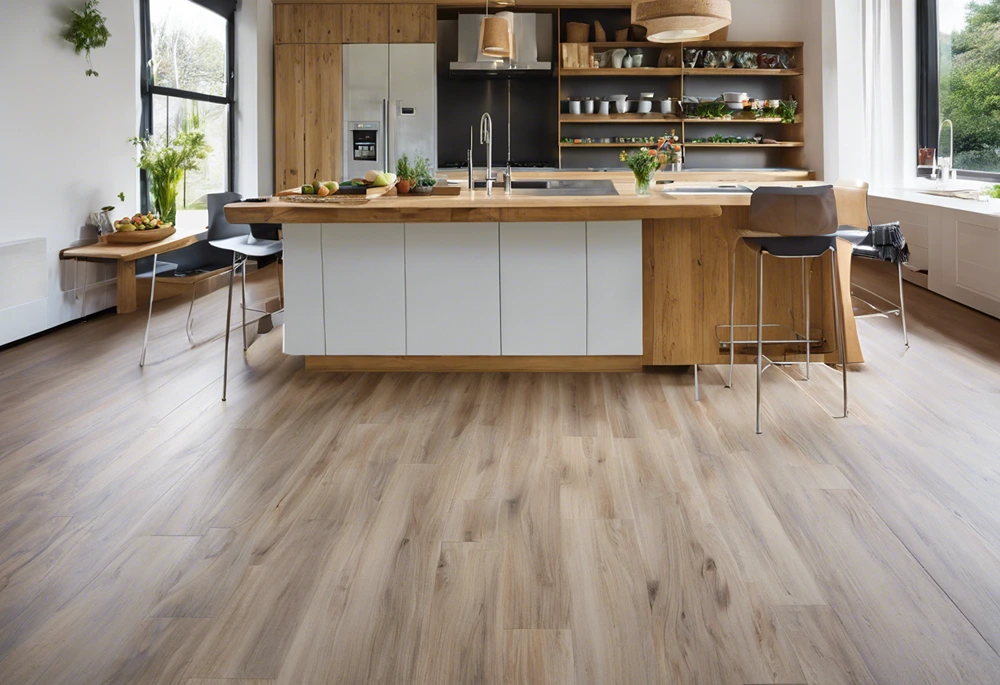
Maintaining eco-friendly floors is crucial for ensuring their longevity and preserving their natural beauty.
Tips for Maintaining Different Types of Eco-Friendly Floors
- Regular Cleaning: Use eco-friendly cleaning products.
- Avoid Harsh Chemicals: Preserve the natural integrity of the materials.
- Protect from Damage: Use felt pads under furniture and avoid high heels.
Longevity and Wear Resistance
- Bamboo and Hardwood: Can last for decades with proper care.
- Cork: Naturally resistant to mold, mildew, and pests.
- Linoleum: Known for its durability, often comes with long warranties.
Cost Considerations and Installation
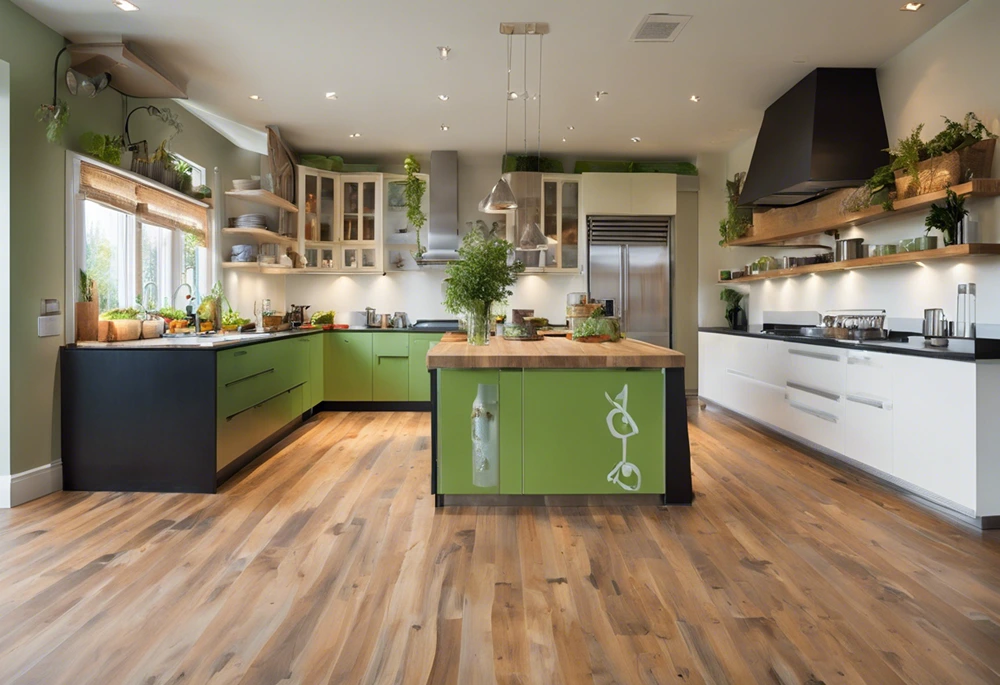
Eco-friendly flooring options are often comparable in cost to traditional flooring and can even be more cost-effective in the long run due to their durability and low maintenance requirements.
Cost Comparison with Traditional Flooring
- Initial Investment: May be higher for some eco-friendly options.
- Long-Term Savings: Lower maintenance and replacement costs.
Installation Considerations
- Professional Installation: Recommended for best results.
- DIY Options: Some materials like cork tiles can be installed by homeowners.
Eco-friendly kitchen flooring is a smart choice for those looking to create a sustainable, healthy, and stylish kitchen. With a variety of materials and designs available, there’s an eco-friendly option to suit every taste and budget. By choosing these sustainable options, you’re not only enhancing the look of your kitchen but also contributing to a healthier planet.
Installation Considerations for Eco-Friendly Flooring
The installation process of eco-friendly flooring varies depending on the material chosen. It’s essential to consider the complexity and cost of installation to ensure a successful and sustainable flooring project.
Professional vs. DIY Installation
- Professional Installation: Recommended for materials like reclaimed hardwood and glass tiles for precision and longevity.
- DIY-Friendly Options: Cork and some bamboo flooring options offer easier installation for those who prefer a hands-on approach.
Installation Costs and Techniques
- Cost Factors: Include material cost, labor charges, and any additional treatments or underlayments required.
- Techniques: Can range from floating installations for cork tiles to more complex methods for hardwood and tile flooring.
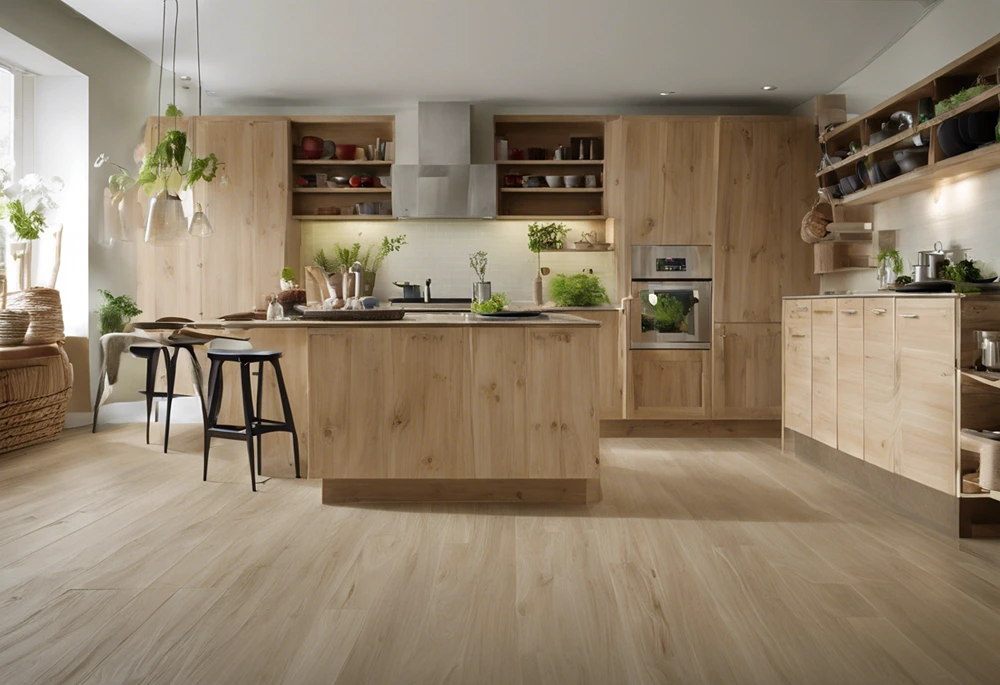
FAQs on Eco Kitchen Flooring Options
Addressing common questions can help clarify doubts and provide deeper insights into eco-friendly flooring options.
- Bamboo and Reclaimed Hardwood: Known for their strength and longevity.
- Linoleum: Offers excellent durability, often backed by long warranties.
- Cork and Bamboo: Naturally resistant to moisture and suitable for high-traffic areas.
- Linoleum and Recycled Glass Tiles: Also perform well in these conditions.
Hypoallergenic Choices: Cork and linoleum floors do not harbor allergens, making them ideal for allergy sufferers.
Low VOCs: Most eco-friendly materials emit low or no volatile organic compounds, improving indoor air quality.
Initial vs. Long-Term Cost: While some options may have a higher upfront cost, their durability and low maintenance can lead to long-term savings.
The Impact of Eco-Friendly Flooring on Home Value
Investing in eco-friendly flooring can positively impact the value of your home, appealing to a growing demographic of environmentally conscious buyers.
Market Trends and Buyer Preferences
- Growing Demand: An increasing number of homebuyers are looking for sustainable and eco-friendly home features.
- Value Addition: Homes with eco-friendly improvements often command a higher market value.
Related Posts

Future Kitchen Technologies: Revolutionizing Home Cooking and Design
The kitchen, often considered the heart…


Tech-Advanced Kitchen Design: The Future of Culinary Spaces
The kitchen, traditionally the heart of…