

In the realm of home design, safety is paramount, especially in the kitchen. With the advent of advanced technology, the concept of kitchen safety has evolved significantly. Today, we are witnessing a seamless blend of design trends and safety technology, making kitchens not only aesthetically pleasing but also safer and more efficient.
Key Takeaways:
- The integration of smart appliances and automated systems for accident prevention.
- The role of advanced fire detection systems in enhancing kitchen safety.
- Importance of ergonomic design for injury prevention and comfort.
- The future of kitchen safety with AI and IoT technologies.
Introduction to Kitchen Safety Technology
The kitchen, often the heart of the home, is also a hub for potential hazards. With the integration of technology, however, these risks are significantly mitigated. Modern kitchens are now equipped with various smart appliances and systems designed to prevent accidents and ensure safety.
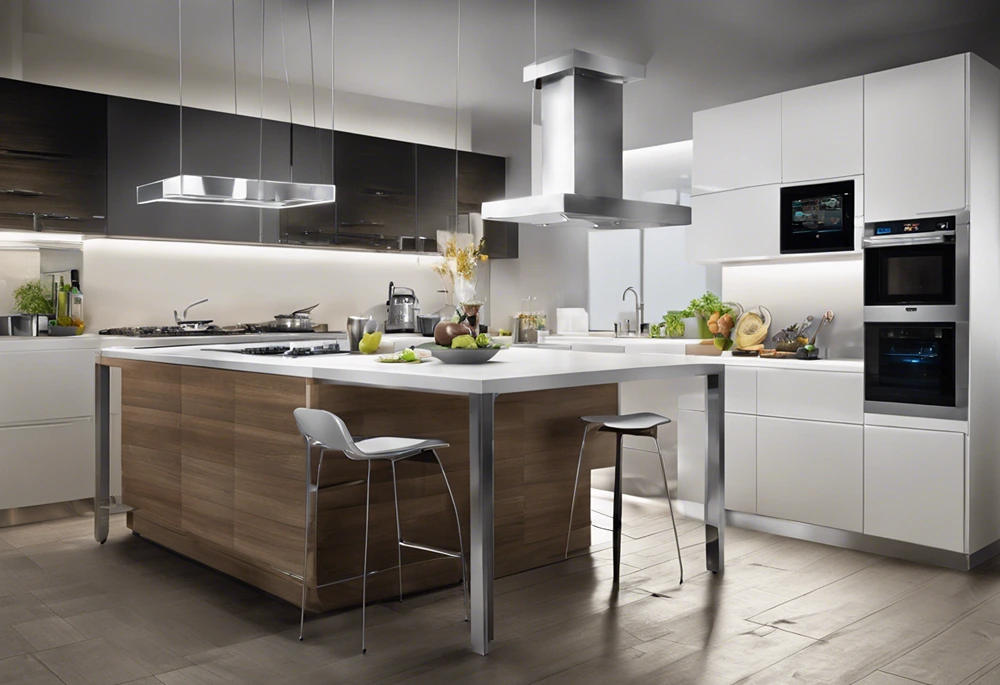
The Evolution of Kitchen Safety
- Historical Perspective: Traditional kitchens relied on basic safety measures.
- Modern Advancements: Introduction of sensor-based tools and automated systems.
Innovative Safety Features in Modern Kitchens
Today’s kitchens are a testament to how technology can enhance safety. From smart sensors that detect hazards to automated shut-off systems, the focus is on preventing accidents before they happen.
Smart Appliances for Accident Prevention
- Sensor-Based Tools: Detecting gas leaks, overheating, and other potential hazards.
- Automated Systems: Shutting off appliances automatically to prevent accidents.
Automated Safety Systems
- Fire Detection: Advanced systems like those detailed on the National Fire Protection Association website, provide early warnings and can even alert emergency services.
- Emergency Protocols: Systems that guide occupants during emergencies.
Design Trends in Kitchen Safety
The aesthetics of kitchen design have evolved to incorporate safety features seamlessly. This integration ensures that safety elements do not detract from the kitchen’s overall look and feel.
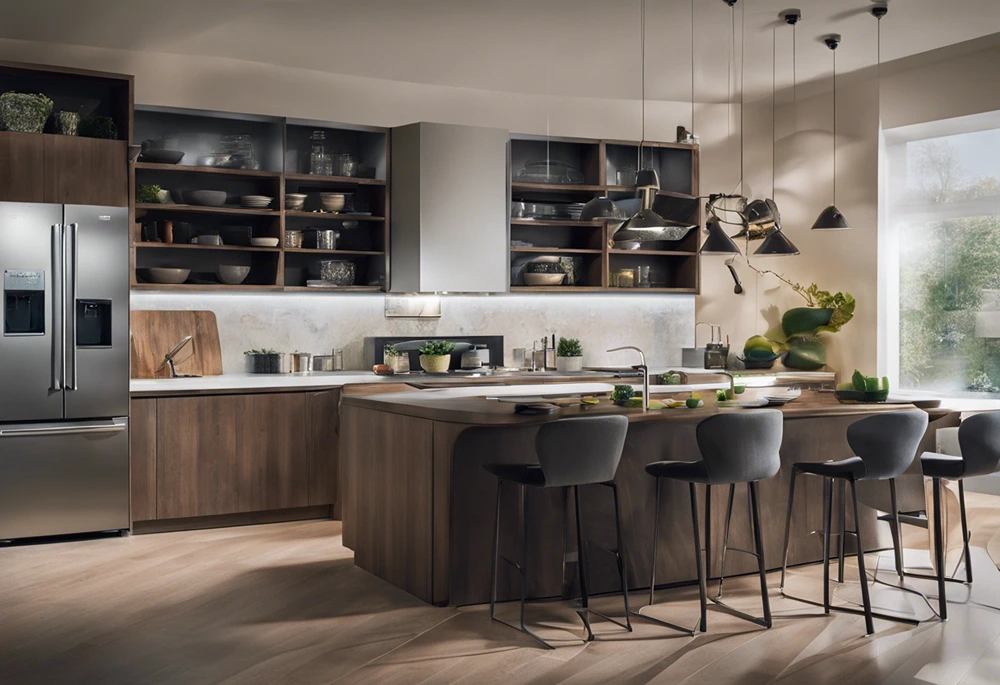
Integration of Technology and Design
- Aesthetic Considerations: Safety features that complement the kitchen’s design.
- Functional Design: Layouts that prioritize safety without compromising style.
Safety and Style
- Materials and Finishes: Choosing materials that are both safe and stylish.
- Layout Planning: Designing for easy access to safety features.
Tech-Enhanced Fire Safety Measures
Fire safety is a critical aspect of kitchen design. With technology, the ability to detect and respond to fires has greatly improved.
Advanced Fire Detection
- Smoke Alarms: Essential for early fire detection.
- Heat Sensors: Detecting unusual heat levels to prevent fires.
Smart Alarms and Safety Protocols
- Connectivity: Alarms that can connect to smartphones and emergency services.
- Regular Testing: Ensuring alarms are functional and up-to-date.
Preventing Kitchen Accidents with Technology
The use of technology in preventing kitchen accidents cannot be overstated. From simple alerts to complex systems, technology plays a crucial role in maintaining safety.
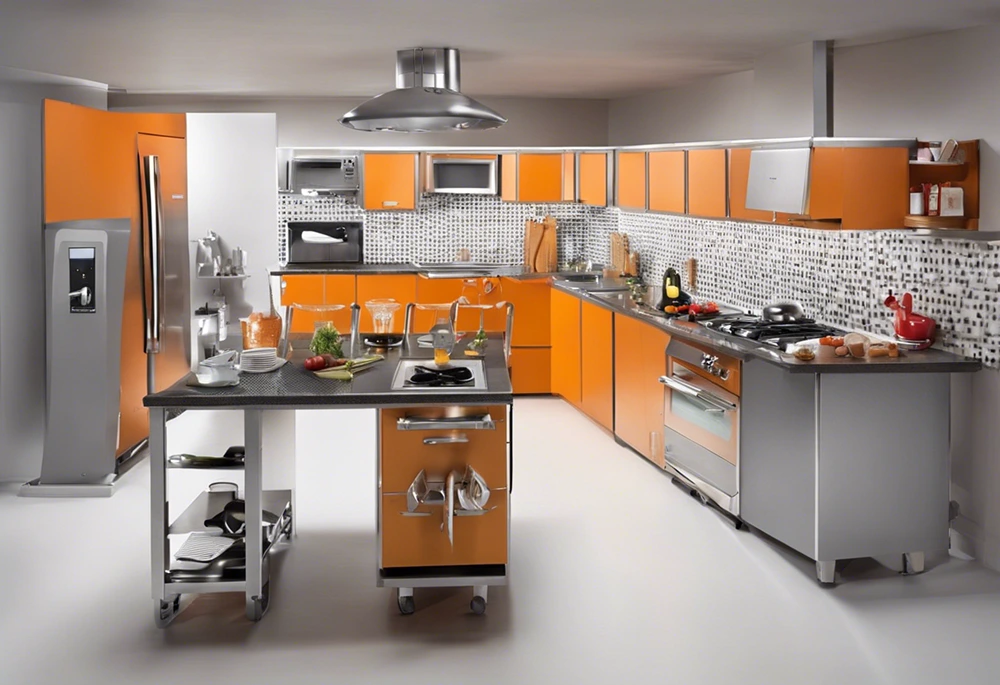
Sensor-Based Accident Prevention Tools
- Motion Sensors: Detecting movement and preventing accidents.
- Leak Detectors: Alerting to water or gas leaks.
Automated Shut-Off Systems
- Timers and Sensors: Automatically turning off appliances after a set time or under certain conditions.
- Remote Control: Allowing users to control appliances remotely for added safety.
Child Safety in Tech-Advanced Kitchens
In homes with children, kitchen safety takes on an added layer of importance. Technology has made it possible to child-proof kitchens effectively.
Child-Proofing with Technology
- Locks and Alarms: Keeping children away from dangerous areas.
- Safety Alerts: Notifications when children access restricted areas.
Safety-Focused Design for Families
- Family-Friendly Layouts: Designing kitchens that are safe for all family members.
- Educational Tools: Using technology to teach children about kitchen safety.
Ergonomics and Safety in Kitchen Design
Ergonomics, the science of designing environments to fit the people who use them, is crucial in kitchen design. It focuses on creating spaces that are comfortable, efficient, and safe.
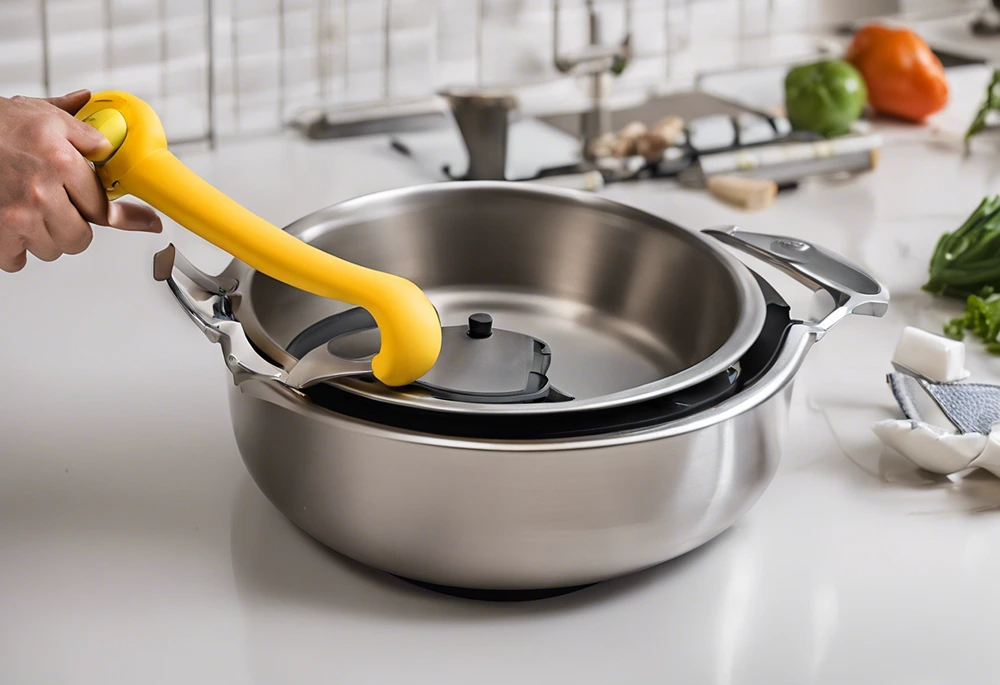
Ergonomic Designs for Injury Prevention
- Adjustable Countertops: Catering to different heights for comfort and safety.
- Accessible Storage: Reducing strain with easy-to-reach cabinets and shelves.
Comfort and Safety in Kitchen Layout
- Spacious Walkways: Ensuring enough room for safe movement.
- Clear Work Zones: Designated areas for cooking, cleaning, and preparation.
Smart Kitchen Gadgets for Enhanced Safety
The integration of smart gadgets in kitchens has revolutionized safety measures, making kitchens more intuitive and user-friendly.
Overview of Gadgets Improving Kitchen Safety
- Automated Ventilation Systems: Managing air quality and reducing hazards.
- Smart Lighting: Enhancing visibility and reducing the risk of accidents.
The Role of IoT in Kitchen Safety
- Connected Appliances: Enabling remote monitoring and control for safety.
- Alert Systems: Notifications for potential hazards like gas leaks or left-on stoves.
Maintenance and Upkeep of Safety Tech
Regular maintenance is key to ensuring that kitchen safety technologies remain effective and reliable.
Regular Maintenance for Optimal Safety
- Routine Checks: Ensuring gadgets and systems are functioning correctly.
- Software Updates: Keeping smart devices updated for optimal performance.
Upgrading and Updating Safety Features
- Tech Advancements: Incorporating the latest safety technologies.
- Professional Assessments: Regular evaluations by safety experts.
Future Trends in Kitchen Safety Technology
The future of kitchen safety is bright, with emerging technologies promising even greater levels of protection and convenience.
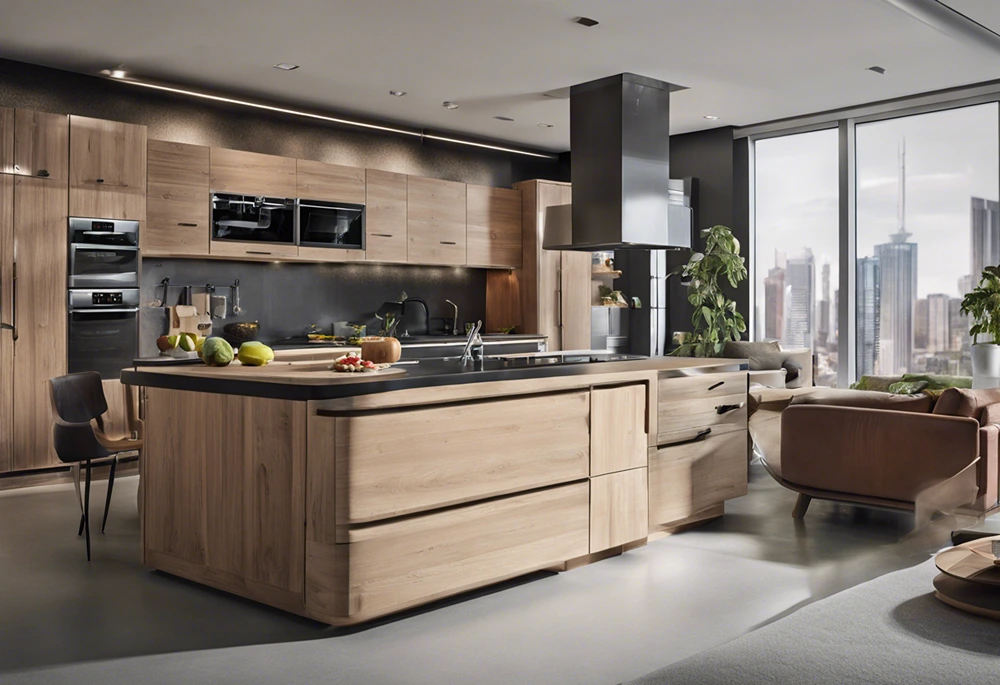
Predictions and Upcoming Innovations
- AI-Driven Safety Solutions: Anticipating and preventing accidents using AI.
- Advanced Material Use: Innovations in fire-resistant and non-toxic materials.
Integration of AI in Kitchen Safety
- Predictive Analytics: Using AI to predict and prevent potential accidents.
- Personalized Safety Measures: Customized safety features based on user behavior.
FAQs on Kitchen Tech for Safety
The latest trends include AI-driven safety solutions, IoT-enabled appliances, and ergonomic designs focused on injury prevention.
Smart appliances can prevent accidents by automatically shutting off in dangerous situations and providing remote monitoring capabilities.
Essential features include fire detection systems, ergonomic layouts, and smart gadgets like leak detectors and automated ventilation systems.
Technology like advanced smoke detectors and heat sensors can provide early warnings, while smart ovens can shut off automatically to prevent fires.
Regular maintenance checks, software updates for smart devices, and professional assessments are best practices for maintaining kitchen safety technology.
Related Posts

Future Kitchen Technologies: Revolutionizing Home Cooking and Design
The kitchen, often considered the heart…


Tech-Advanced Kitchen Design: The Future of Culinary Spaces
The kitchen, traditionally the heart of…