Key Takeaways:
- Converted lofts lend themselves well to extra bedrooms, home offices and playrooms.
- Consider adding a lounge area, bathroom or multipurpose space for maximum enjoyment.
- Outfit and decorate your loft conversion in Glasgow tailored specifically to its intended use.
- Built-ins like shelving and cabinets maximize usable space for storage.
- Keep options flexible with modular furniture pieces that allow reconfiguration.
- A loft designed deliberately to suit your lifestyle becomes an invaluable addition to any home.
A converted loft adds an invaluable living area to your home. Whether you need an extra bedroom, more workspace or a kids’ recreation room, your loft can be customized to your lifestyle. Here are some of the best ways to maximize utility from your new converted loft:
Bedroom
One of the most popular uses for a loft conversion is adding a bedroom, which is ideal for:
- Children who have outgrown shared bedrooms
- Teenagers who need their own space
- Visiting guests who need lodging
- Turning into a master suite with an en-suite bath
Consider stylish built-ins like cabinetry and shelving to maximize usable space in a cosy loft bedroom.
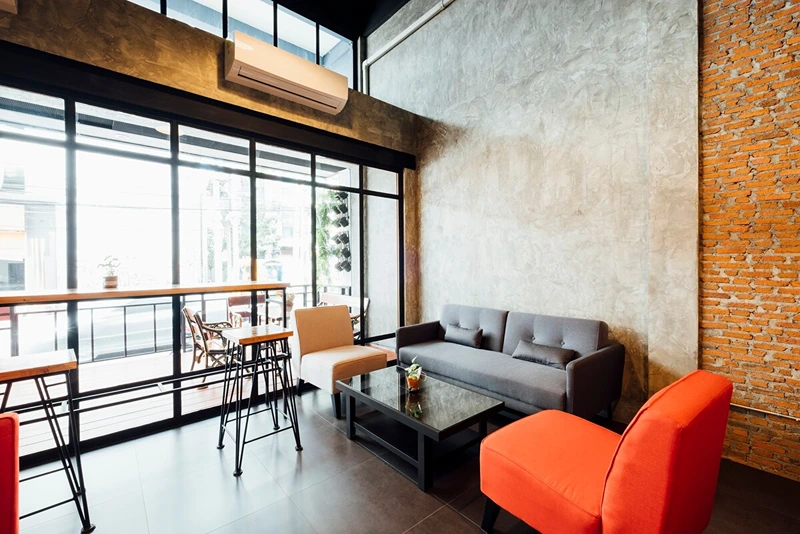
Home Office
With more people working remotely, a loft converted into a home office is invaluable. Benefits include:
- A quiet, private workspace removed from other household activities
- Ability to work without having to commute
- Freed up space in other areas not taken over by a desk
- Tax write-offs for use of home office area
Be sure to add ample power outlets, strong WiFi signal, and quality lighting for productivity.
Kids’ Playroom
Let your kids thrive with a dedicated playroom up in the converted loft:
- Get noisy toys and activities out of the main living areas
- Make cleanup fast by containing toys in one room
- Express your child’s interests in décor and furnishing
- Reserve enough open floor space for play mats, building blocks, etc.
Use organizational tools like bins, shelves and hooks to reign in the clutter!
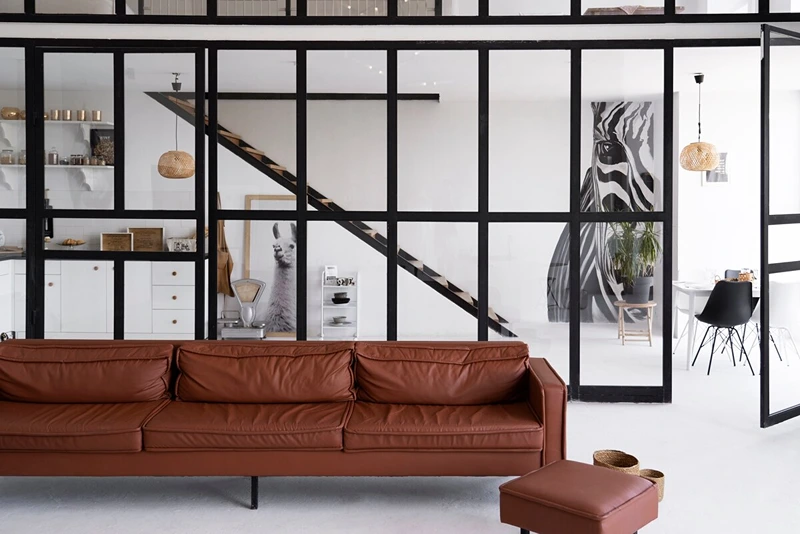
Lounge Area
Take advantage of cozy loft ceilings to create a relaxation lounge, perfect for:
- Reading, listening to music, playing board games
- Watching TV away from the main household hub
- Displaying photos, art, collections
- Creating a teen hangout space
Outfit the lounge with media essentials like a TV, mini fridge and comfortable seating.
Multipurpose Room
Keep your options flexible with an adaptable loft designed for multipurpose use. Ideas include:
- Murphy bed or sofa bed to convert space from bedroom to lounge
- Modular furniture like cube storage units to reconfigure at will
- Sturdy, foldable table that can act as a work surface or dining table
- Neutral décor that suits a variety of changing functions
Modified open-concept plans let you alter the loft’s purpose whenever needed.
Bathroom
For maximum convenience, incorporate a small bathroom in your converted loft space:
- An ensuite bath attached to a loft bedroom
- A half bath to avoid going downstairs
- Utility connections, if feasible for plumbing
Focus on space-saving fixtures and finishes to create a functional loft bath.
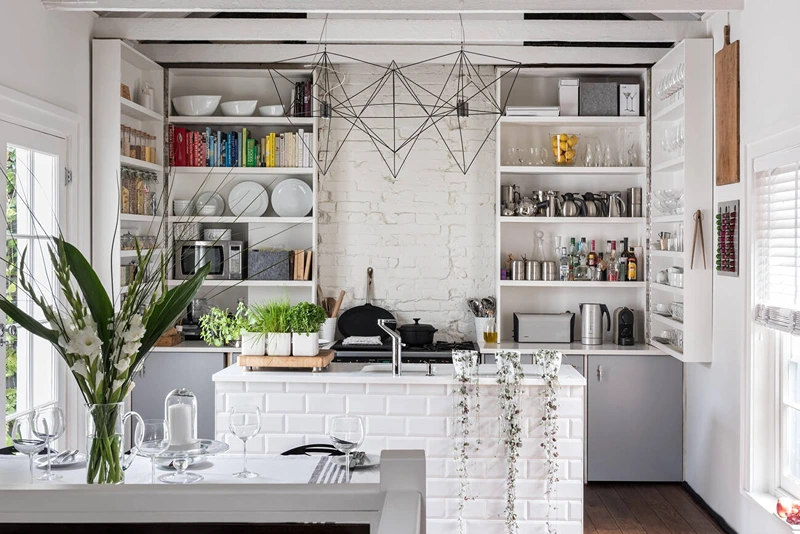
Storage Space
Never underestimate the value of extra storage space, especially in converted lofts:
- Seasonal clothing and decorations
- Kids’ outgrown toys, clothes, equipment
- Archive files, photos, and memorabilia in labelled bins
- Suitcases, and holiday gear away from living areas
Take advantage of the loft’s dormer eaves, awkward corners and vertical walls when adding custom built-in storage.
A well-planned loft conversion tailored to your needs can become one of your home’s most useful and valued spaces. Maximize utility by creating your ideal loft lounge, office, playroom or storage space.