

Minimalist decor, a design trend that emphasizes simplicity and functionality, has been gaining popularity in recent years. This approach to interior design is not just about having fewer items in your space; it’s about carefully selecting pieces that bring value, functionality, and aesthetic appeal. Glasgow Tradespeople brings you a comprehensive guide to embracing minimalist decor in your home.
Key Takeaways:
- Minimalist decor focuses on simplicity, functionality, and elegance.
- Key elements include natural light, neutral colors, and functional furniture.
- Minimalist design can be applied to every room, balancing aesthetics with practicality.
- Incorporating color and texture can enhance minimalist spaces without clutter.
Introduction to Minimalist Decor
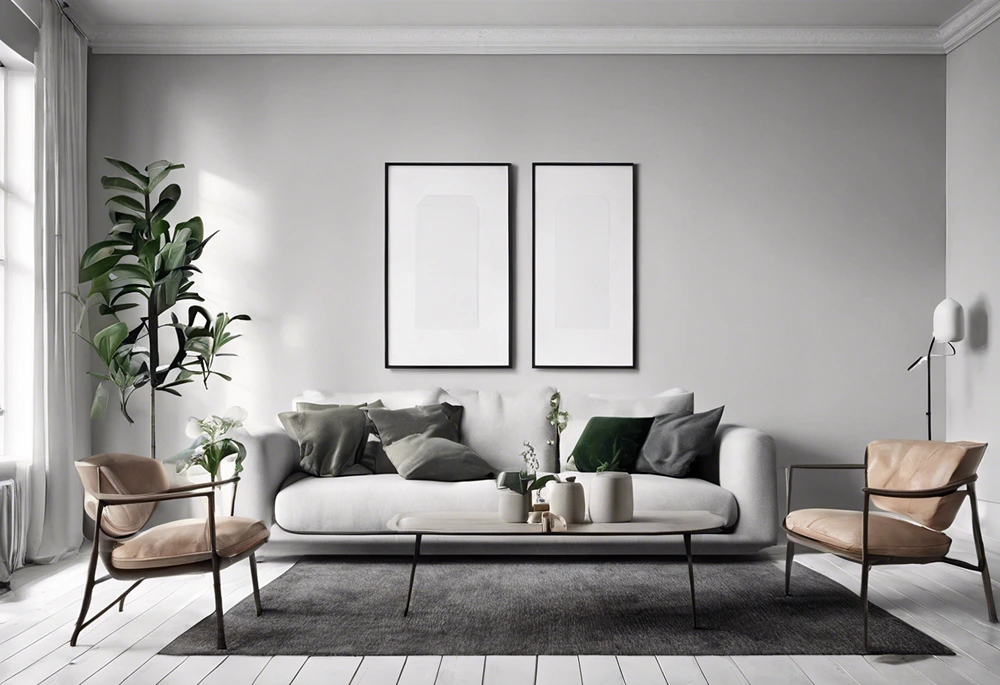
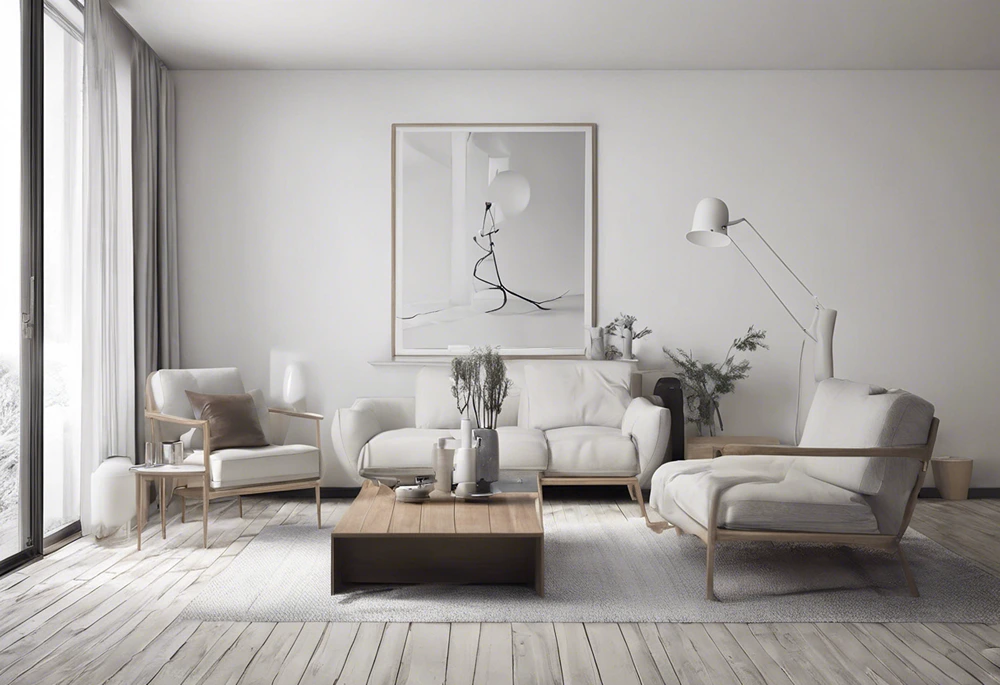
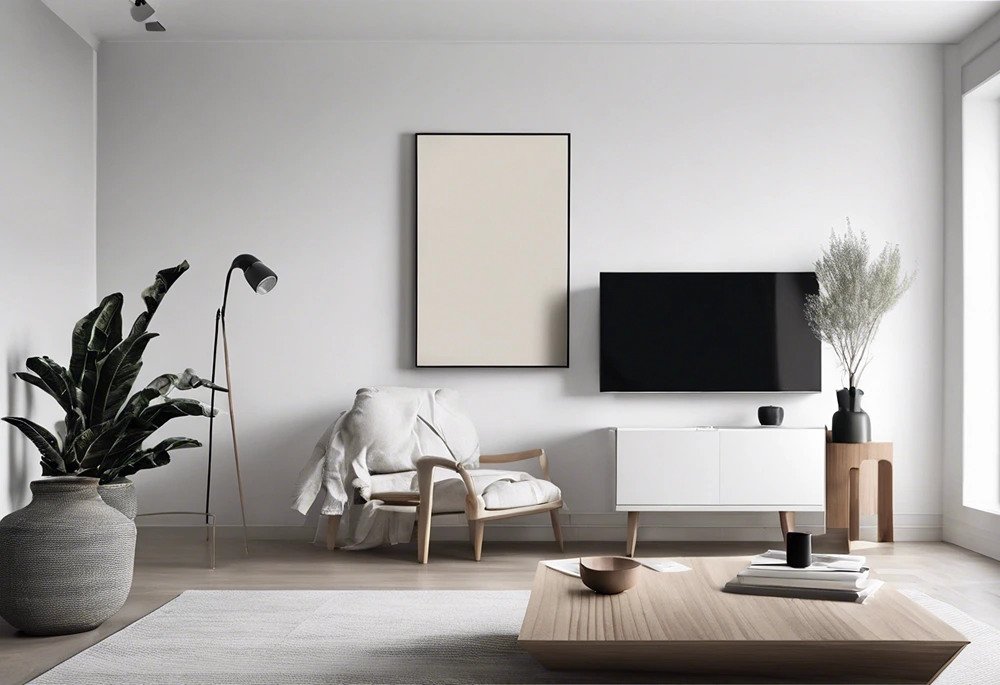
Minimalist decor is more than just an aesthetic; it’s a philosophy that encourages us to live with only the essentials. This design style is characterized by clean lines, uncluttered spaces, and a monochromatic color palette, often complemented by natural materials and textures.
Core Principles of Minimalist Design
- Simplicity: Stripping down to the basics to create a serene and uncluttered space.
- Functionality: Every item should serve a purpose or bring joy.
- Quality over Quantity: Choosing fewer but better-quality pieces.
Key Elements of Minimalist Design
Minimalist design is not just about what you include but also what you choose to leave out. Here are some essential elements to consider:
Natural Light and Open Space
- Maximizing Natural Light: Use large windows and avoid heavy curtains.
- Creating Open Spaces: Opt for an open floor plan and avoid overcrowding rooms with furniture.
Neutral Color Palettes and Subtle Textures
- Neutral Colors: Stick to a palette of whites, beiges, and greys.
- Textures: Add depth with natural materials like wood, stone, and linen.
Functional Furniture in Minimalist Spaces
- Choosing Furniture: Select pieces that are both stylish and functional.
- Minimalist Aesthetics: Look for clean lines and simple designs.
Minimalist Decor in Different Rooms
Applying minimalist principles can transform any room into a peaceful and functional space.
Living Rooms: Simplicity and Elegance
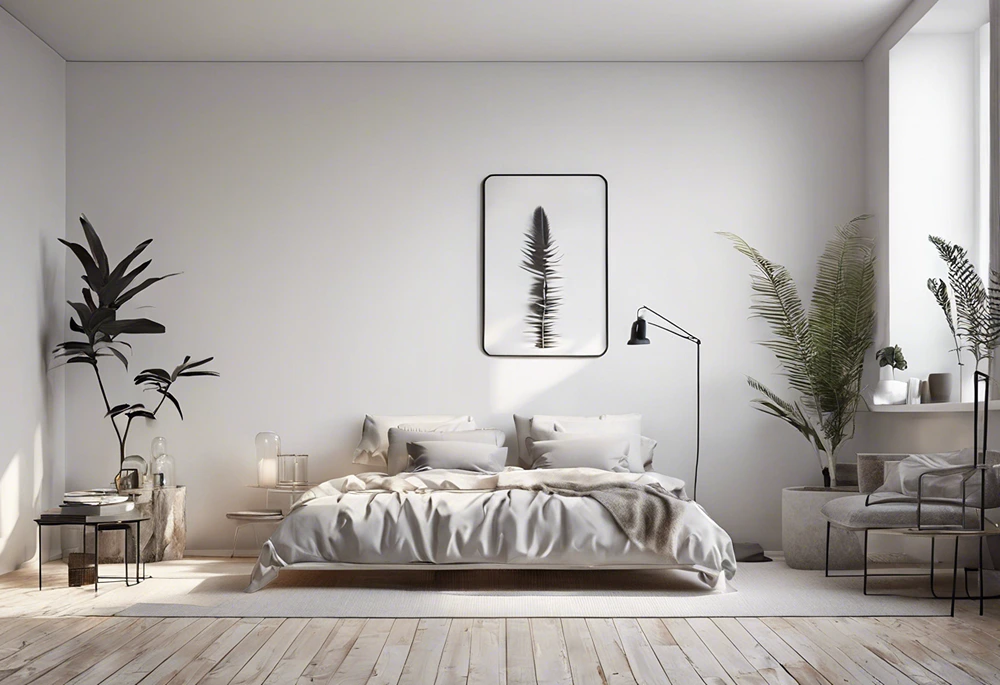
- Furniture: Choose a few high-quality, comfortable pieces.
- Decor: Limit decorative items to a few meaningful pieces.
Serene Minimalist Bedrooms
- Bedding: Opt for simple, high-quality linens.
- Storage: Use built-in wardrobes and under-bed storage to minimize clutter.
Minimalist Kitchen and Bathroom Design
- Cabinetry: Go for sleek, handle-less cabinets.
- Countertops: Keep them clear, storing only essential items.
Balancing Aesthetics and Functionality
The challenge in minimalist decor is to balance aesthetics with practicality.
Choosing Decor Items
- Decorative Pieces: Select items that are both beautiful and useful.
- Artwork: Opt for one or two large statement pieces rather than a gallery wall.
Tips for Decluttering
- Regularly Evaluate Items: Keep only what you need or love.
- Storage Solutions: Use hidden storage to keep surfaces clear.
The Art of Minimalism
- Less is More: Embrace the space and simplicity.
- Mindful Purchasing: Think carefully before adding new items to your space.
Incorporating Color and Texture
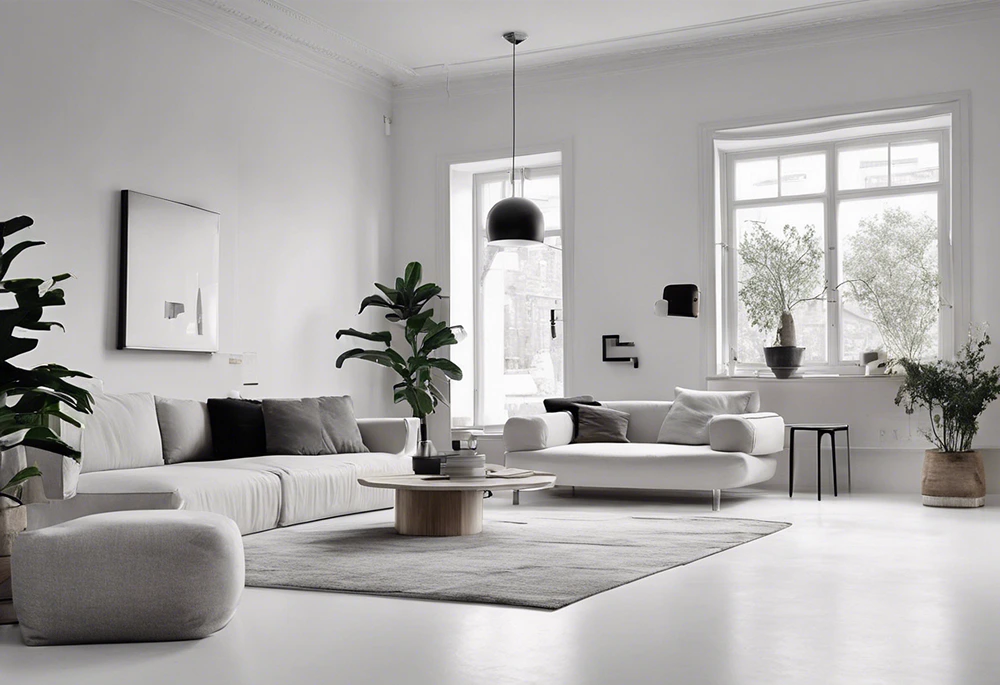
While minimalist decor often features a neutral color scheme, adding splashes of color and texture can create a warm and inviting space.
Using Color Accents
- Accent Colors: Choose one or two colors to add depth.
- Textiles and Accessories: Use cushions, rugs, and throws to add color.
Texture in Minimalist Design
- Natural Materials: Wood, stone, and plants can add texture without clutter.
- Layering: Combine different textures for a sophisticated look.
Tables with Relevant Facts
| Element | Description | Example |
| Lighting | Use natural and subtle artificial lighting | Floor lamps, LED strips |
| Furniture | Functional, high-quality pieces | Modular sofas, multi-functional tables |
| Color Scheme | Neutral and monochromatic | Whites, beiges, greys |
| Textures | Natural materials and fabrics | Linen curtains, wool rugs |
| Decorative Items | Minimal and meaningful | Framed art, potted plants |
DIY Minimalist Decor Ideas
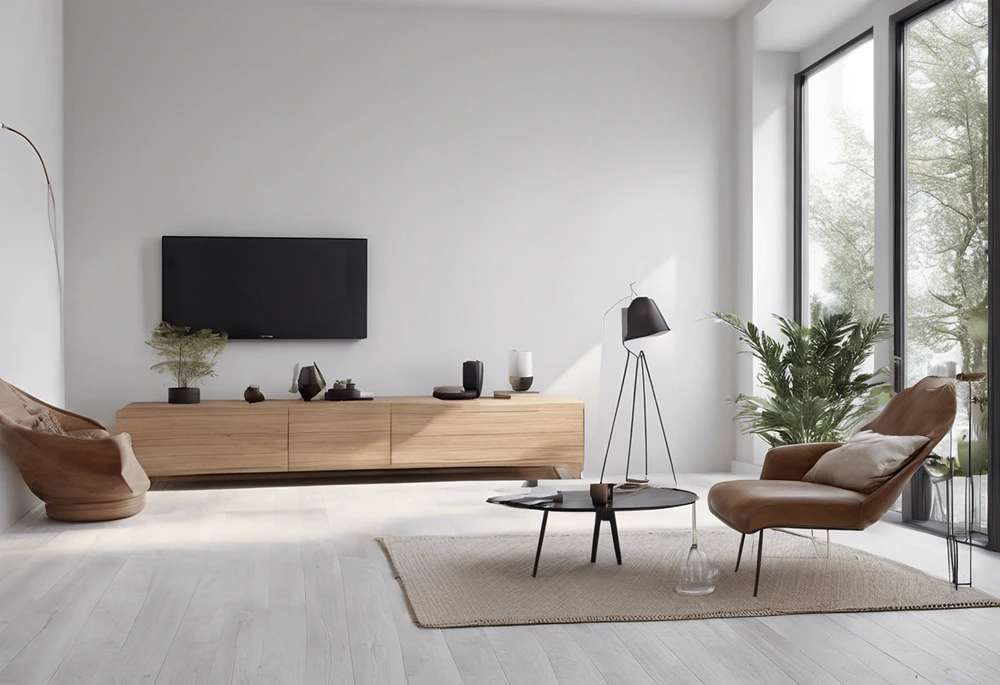
Embracing a minimalist decor doesn’t mean you have to buy new items. Instead, you can create a unique and personal space with some DIY projects.
Simple DIY Projects for Minimalist Home Decor
- Handmade Artwork: Create your own art pieces for a personal touch.
- Upcycled Furniture: Transform old furniture with a minimalist makeover.
Upcycling and Repurposing in a Minimalist Home
- Repurposing Items: Turn old jars into planters or candle holders.
- Creative Storage Solutions: Use crates or boxes as stylish storage options.
Minimalist Decor on a Budget
Creating a minimalist space doesn’t have to be expensive. Here are some tips for achieving the look on a budget.
Affordable Ways to Achieve a Minimalist Look
- Shop Second-Hand: Find quality pieces at thrift stores or online marketplaces.
- Minimalist Essentials: Invest in a few key pieces that make a big impact.
Budget-Friendly Minimalist Furnishings
- DIY Furniture: Build your own simple pieces like shelves or tables.
- Multi-Purpose Items: Choose furniture that serves more than one purpose.
Advanced Minimalist Decorating Techniques
Once you’ve mastered the basics, you can explore more advanced techniques to refine your minimalist decor.
Layering and Scaling in Minimalist Design
- Layering: Combine different materials and textures for depth.
- Scaling: Use a mix of large and small items to create balance.
Innovative Minimalist Lighting and Space Solutions
- Lighting: Use lighting to create ambiance and highlight key areas.
- Space Utilization: Optimize space with smart furniture placement.
Frequently Asked Questions
Opt for durable, multi-functional furniture and incorporate plenty of hidden storage for toys and clutter.
Absolutely! Use soft textiles, warm lighting, and personal items to create a cozy yet minimalist space.
Yes, you can. Use bold colors sparingly as accents to add character to your minimalist space.
Tables with Relevant Facts
| DIY Project | Materials Needed | Estimated Time |
| Wall Art | Canvas, Paints | 2-3 hours |
| Upcycled Shelf | Old Shelf, Paint | 1-2 hours |
| Handmade Planters | Clay, Paint | 3-4 hours |
| Budget Item | Reason | Impact |
| Second-Hand Sofa | Affordable, Quality | High |
| DIY Coffee Table | Customizable, Unique | Medium |
| Multi-Use Storage | Space-Saving, Functional | High |
Related Posts

Future Kitchen Technologies: Revolutionizing Home Cooking and Design
The kitchen, often considered the heart…


Tech-Advanced Kitchen Design: The Future of Culinary Spaces
The kitchen, traditionally the heart of…