

In the realm of kitchen design, the minimalist approach has taken center stage, offering a blend of functionality and aesthetic appeal. Central to this design philosophy is the kitchen backsplash, which, while serving a practical purpose, also plays a pivotal role in defining the space’s overall look and feel.
Key Takeaways:
- Minimalist kitchen backsplashes focus on clean lines, uncluttered spaces, and a harmonious blend of form and function.
- Material choice, color schemes, and installation techniques are crucial for achieving the minimalist aesthetic.
- The integration of modern design elements like hidden appliances and open shelving enhances the minimalist appeal.
Modern Minimalist Kitchen: The Essence of Simplicity and Style
The Minimalist Aesthetic
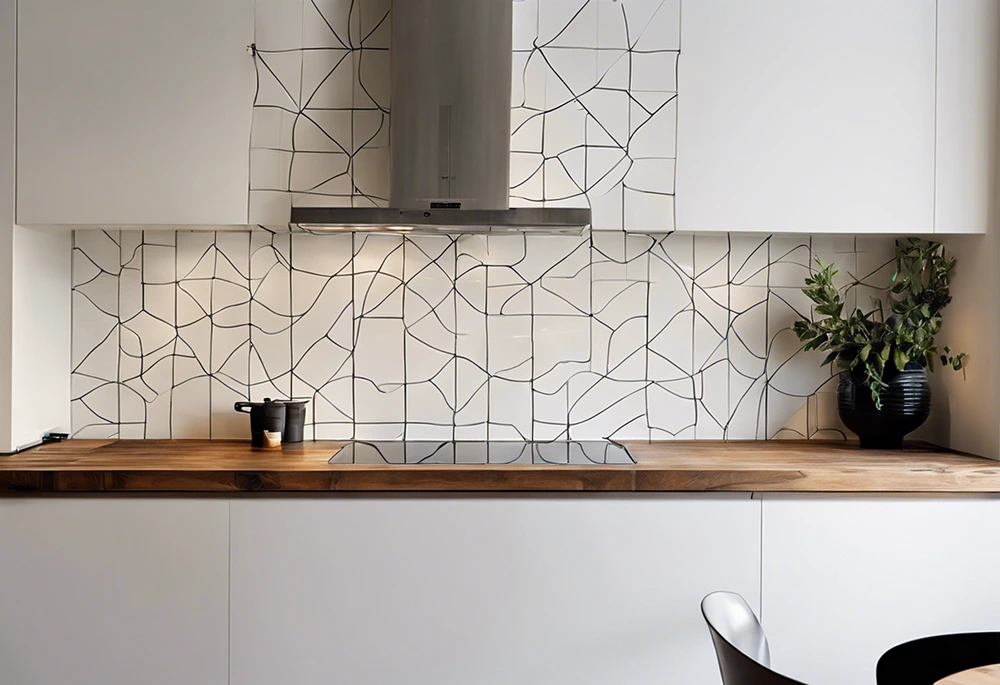
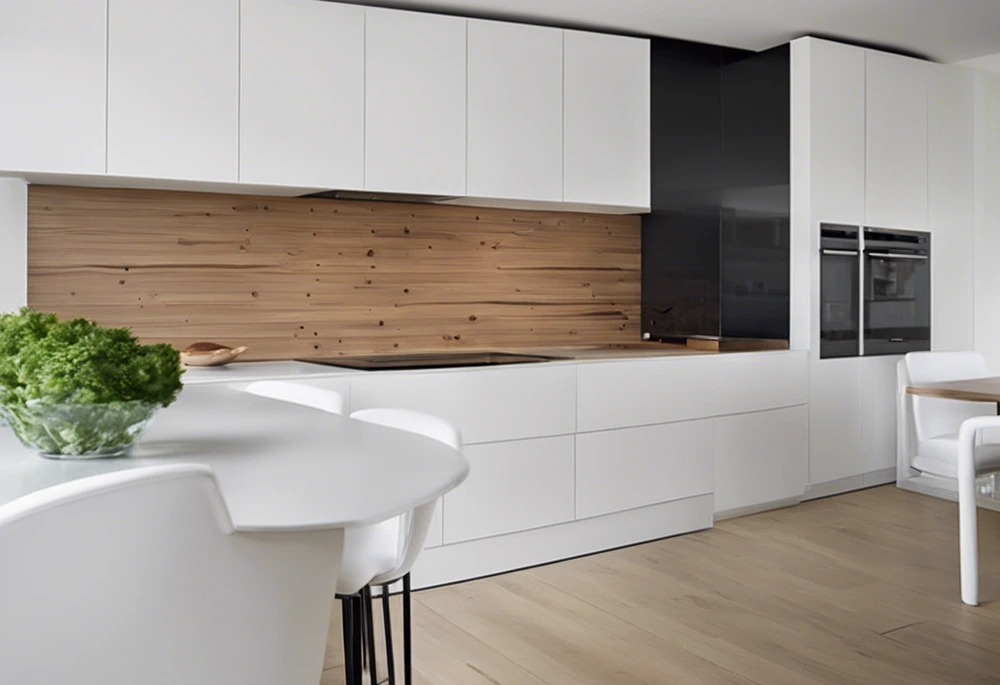
Minimalist kitchens are characterized by their streamlined designs and uncomplicated layouts. This design philosophy emphasizes a clutter-free environment, where every element serves a purpose, contributing to a serene and spacious feel. The backsplash in a minimalist kitchen is more than just a protective wall covering; it’s a statement piece that reflects the homeowner’s taste and style.
Material Choices for Minimalist Backsplashes
When selecting materials for a minimalist backsplash, the focus is on quality, durability, and a clean appearance. Popular choices include:
- Ceramic and Porcelain Tiles: Known for their versatility and durability.
- Natural Stone: Offers a unique texture and pattern, bringing an earthy feel to the kitchen.
- Glass: Provides a sleek and modern look, reflecting light to make the space appear larger.
Table: Popular Backsplash Materials
| Material | Pros | Cons |
| Ceramic | Durable, versatile | Can be expensive |
| Stone | Unique patterns | Requires sealing |
| Glass | Reflective, modern | Can show smudges |
Color Schemes in Minimalist Design
In minimalist kitchens, the color palette is often neutral, with whites, grays, and beiges dominating the scene. Exploring minimalist kitchen color palettes can help you find the perfect shades to enhance your kitchen’s aesthetic. Whether you prefer a monochromatic scheme or subtle pops of color, the right palette can transform your space into a serene and stylish haven. However, a pop of color can add personality without overwhelming the space. Muted blues and greens are excellent choices for adding a subtle yet impactful element to the kitchen.
Table: Color Scheme Impact
| Color | Effect |
| White | Brightens, enlarges space |
| Gray | Adds sophistication |
| Blue/Green | Introduces personality |
Streamlined Kitchen Design: The Art of Clean Lines
Flat-Front Cabinetry and Sleek Surfaces
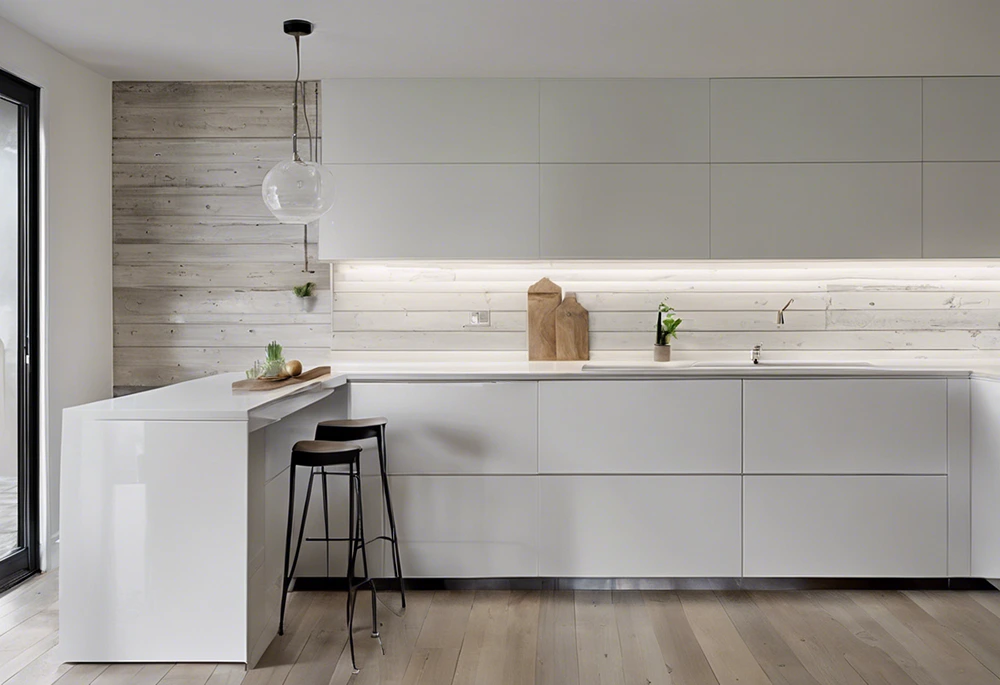
The hallmark of a minimalist kitchen is its sleek, uninterrupted surfaces. Flat-front cabinetry, devoid of ornate designs, complements the minimalist backsplash, creating a harmonious and uncluttered look. For more inspiration on achieving this streamlined appearance, consider exploring minimalist kitchen cabinets. These cabinets not only enhance the aesthetic but also provide practical storage solutions that maintain the kitchen’s clean lines. The use of modern bar pulls or even touch-latch mechanisms enhances the streamlined appearance.
Range Hoods and Backsplash Designs
In minimalist kitchens, range hoods are often designed to blend seamlessly with the surroundings. Backsplash designs are kept simple, with straight lines and minimal patterns, to maintain the clean and uncluttered aesthetic.
Warm Up a Sleek Space: Balancing Minimalism with Comfort
Incorporating Wood and Brass Finishes
To prevent a minimalist kitchen from feeling too stark or cold, incorporating elements like wood accents or brass finishes can add warmth and texture. These materials contrast beautifully with the sleek surfaces, creating a balanced and inviting space.
Juxtaposing Modern and Vintage Elements
Introducing vintage art or fresh flowers can add an interesting twist to the minimalist kitchen. These elements provide a contrast that highlights the beauty of simplicity, making the space feel more lived-in and welcoming.
Colorful Kitchen: Beyond the Classic White

Embracing Bold Hues
While white remains a classic choice for minimalist kitchens, embracing bolder hues can infuse the space with energy and personality. A single saturated color, balanced with neutrals or wood tones, can transform the kitchen into a vibrant and stylish space.
Muted Shades for a Subtle Impact
For those who prefer a more subdued approach, muted shades of blue or green can offer a touch of color without overpowering the minimalist design. These colors work well with the clean lines and simple forms typical of minimalist kitchens.
The Art of Hidden Appliances in Minimalist Design
Integrated Appliances for a Streamlined Look
In minimalist kitchens, appliances are often integrated into the cabinetry, creating a seamless and cohesive look. Fridges can be concealed behind paneled doors, and microwaves can be tucked away in lower cabinets, contributing to the kitchen’s streamlined appearance.
Benefits of Hidden Appliances
- Visual Continuity: Creates an unbroken line of cabinetry for a cleaner look.
- Reduced Clutter: Limits visual distractions, enhancing the minimalist aesthetic.
- Increased Space: Frees up counter space, making the kitchen feel more open and spacious.
Open Shelving: A Minimalist Storage Solution
The Appeal of Open Shelving
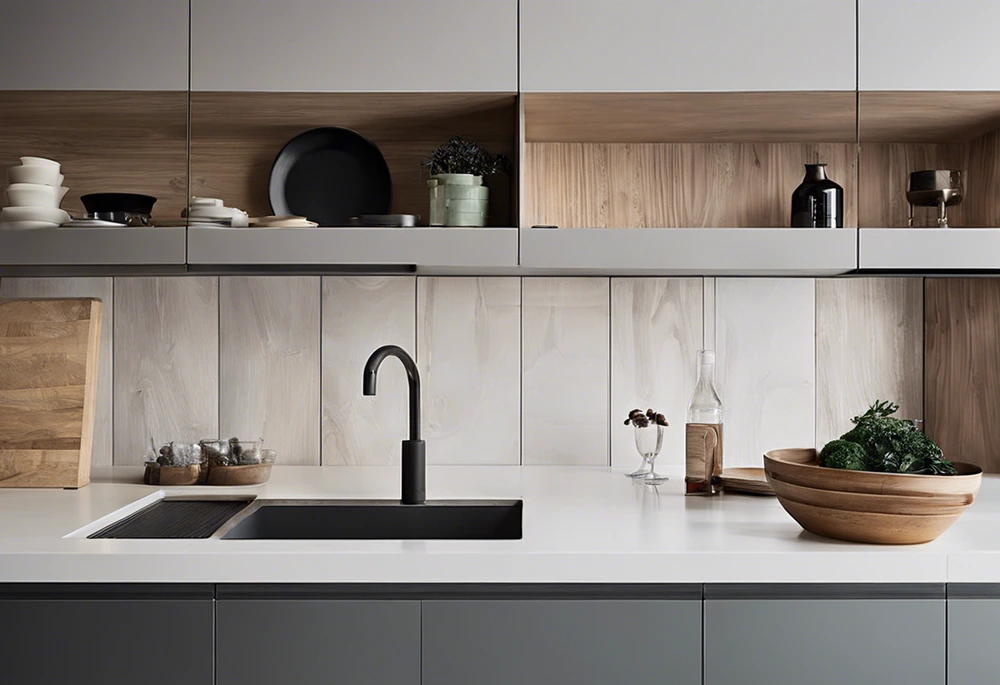
Open shelves are a perfect fit for minimalist kitchens, offering a simple and airy storage solution. They can help maintain the open feel of the space while providing easy access to everyday items.
Styling Open Shelves
When styling open shelves in a minimalist kitchen, it’s important to:
- Limit the number of items displayed.
- Stick to a cohesive color palette.
- Arrange items thoughtfully to avoid a cluttered look.
Table: Tips for Styling Open Shelves
| Tip | Description |
| Limit Items | Keep only essentials |
| Color Cohesion | Match with kitchen’s palette |
| Thoughtful Arrangement | Avoid clutter, maintain balance |
Understated Backsplash Ideas: Choosing the Right Materials
Solid-Colored Backsplashes
For a minimalist kitchen, solid-colored backsplashes in glass or ceramic tiles are ideal. They offer a stylish yet easy-to-clean surface that complements the overall design.
Stone Slab Backsplashes
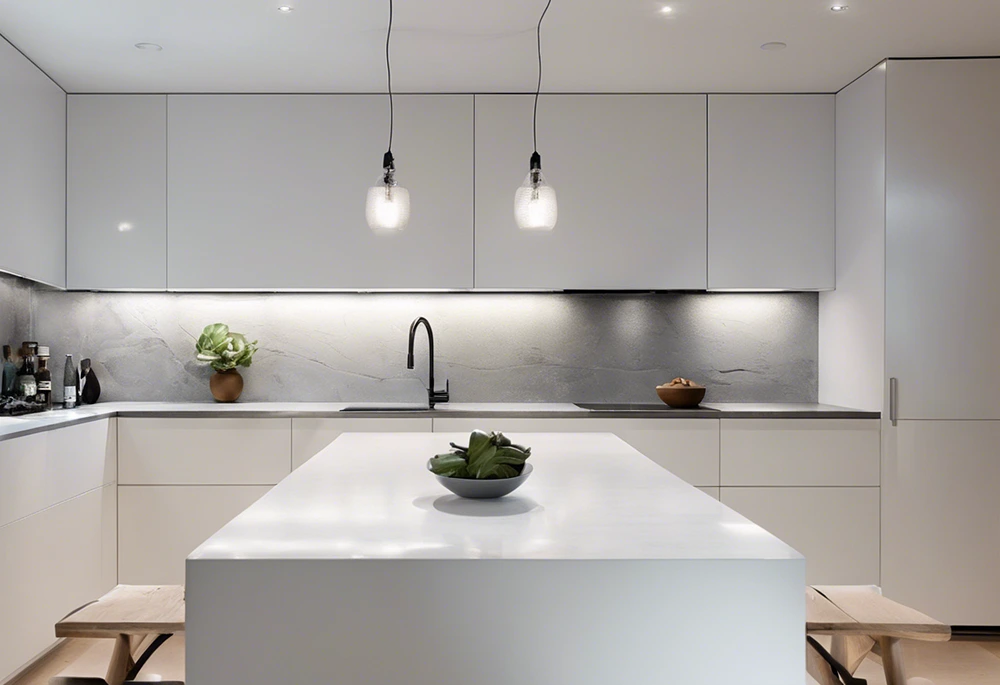
A stone slab backsplash can add natural texture and subtle pattern to the kitchen. It’s a great way to introduce an element of nature while maintaining the minimalist ethos.
The Impact of Material Choice
The choice of backsplash material can significantly affect the kitchen’s overall look and feel. It’s important to consider not just the aesthetic but also the practical aspects like durability and maintenance.
Durability and Maintenance: Ensuring Longevity
Choosing Durable Materials
In a minimalist kitchen, the choice of backsplash material should balance aesthetics with durability. Materials like porcelain and high-quality ceramics are not only visually appealing but also resistant to heat and moisture, making them ideal for kitchen environments.
Table: Durability of Backsplash Materials
| Material | Heat Resistance | Moisture Resistance | Maintenance Required |
| Porcelain | High | High | Low |
| Ceramic | Moderate | High | Low |
| Glass | Low | High | Moderate |
Easy-to-Clean Surfaces
Minimalist design favors easy-to-clean surfaces. Smooth, non-porous materials like glass or sealed stone slabs are excellent choices as they can be wiped clean without much effort, maintaining the kitchen’s pristine look.
Cost-Effective Minimalist Backsplash Options
Balancing Budget and Style
While high-end materials like natural stone can be costly, there are cost-effective alternatives that still adhere to the minimalist aesthetic. Ceramic tiles, for instance, offer a wide range of styles and finishes at a more affordable price point.
Table: Cost Comparison of Backsplash Materials
| Material | Average Cost per Square Foot |
| High-End Stone | $$$ |
| Ceramic Tile | $$ |
| Glass | $$ |
DIY Installation to Save Costs
For those comfortable with home improvement projects, DIY installation of a backsplash can be a cost-effective option. Simple tile patterns and larger slabs are more manageable for DIY and can reduce labor costs significantly.
Installation Tips and Tricks
Professional vs. DIY Installation
Deciding between professional installation and a DIY approach depends on your skill level and the complexity of the project. While professional installation ensures a flawless finish, a DIY approach can be more budget-friendly.
Essential Tools for Installation
For those opting for DIY, having the right tools is crucial. Basic tiling tools include a tile cutter, notched trowel, and grout float. For more complex materials like stone, professional-grade tools may be required.
Table: DIY Installation Tools
| Tool | Purpose |
| Tile Cutter | Cutting tiles to size |
| Notched Trowel | Applying adhesive |
| Grout Float | Applying and smoothing grout |
Frequently Asked Questions
- Natural stone slabs with unique patterns
- Large-format ceramic and porcelain tiles
- Eco-friendly materials like recycled glass
- Stick to neutral tones for a classic look
- Consider a pop of color for a modern twist
- Match or contrast with cabinetry for a cohesive design
- Yes, using light colors and reflective materials can make small kitchens appear larger
- Simple, uncluttered designs help avoid overwhelming the space
- Use mild detergents and avoid abrasive cleaners
- Regularly wipe down to prevent grime buildup
- Seal natural stone backsplashes periodically
Related Posts

Future Kitchen Technologies: Revolutionizing Home Cooking and Design
The kitchen, often considered the heart…


Tech-Advanced Kitchen Design: The Future of Culinary Spaces
The kitchen, traditionally the heart of…