

Minimalist kitchen design is more than just an aesthetic choice; it’s a lifestyle decision that reflects in every aspect of your kitchen space. Embracing simplicity, functionality, and a clutter-free environment, minimalist kitchens are not just about looking good – they are about efficiency and ease of use. In this comprehensive guide, we delve into the world of minimalist kitchen concepts, exploring everything from design elements and planning to lighting, accessories, and the benefits of adopting this style.
Key Takeaways:
- Minimalist kitchens focus on simplicity, functionality, and clean aesthetics.
- Planning involves considering layout, decluttering, and integrating appliances.
- Lighting and accessories should complement the minimalist theme.
- The minimalist approach offers practical and aesthetic advantages.
Introduction to Minimalist Kitchen Design
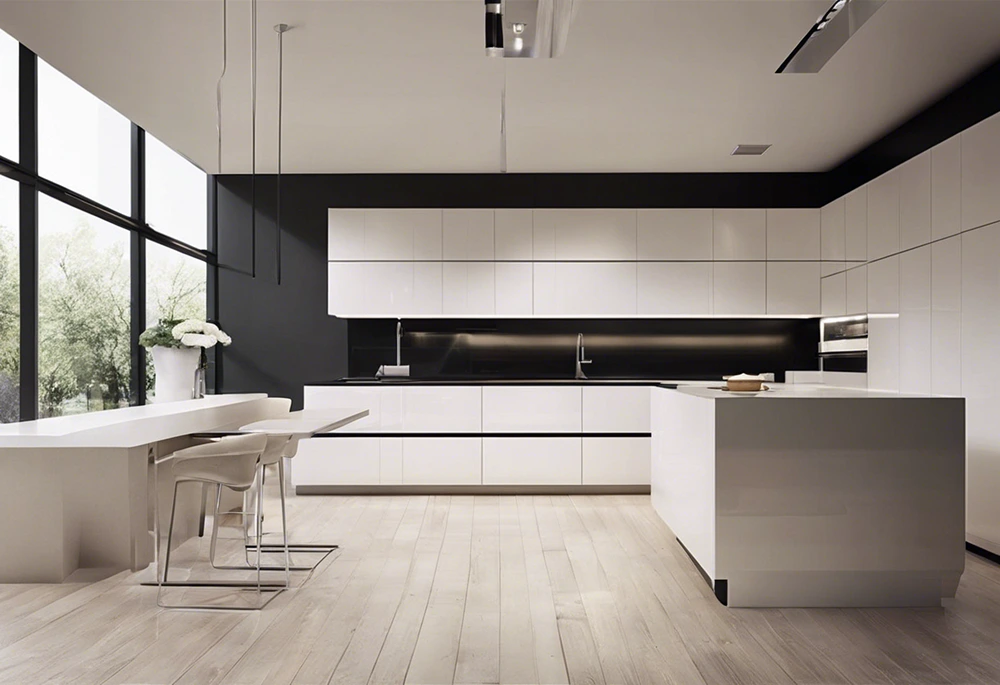
Minimalist kitchen design is characterized by its clean lines, uncluttered spaces, and a focus on functionality. This design philosophy strips away the non-essential, leaving a kitchen that is both practical and visually appealing. The minimalist kitchen is not just a trend; it’s a reflection of a modern lifestyle that values simplicity and efficiency.
The Philosophy Behind Minimalist Kitchens
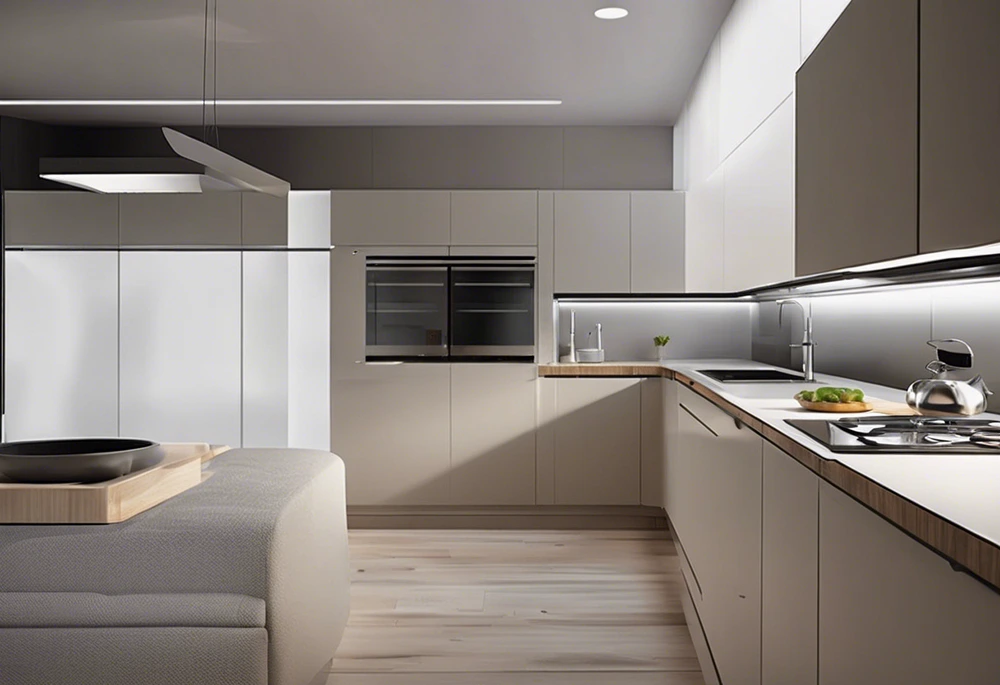
Minimalism in kitchen design is more than just a style; it’s a reflection of a lifestyle choice that prioritizes simplicity and order. This approach to design emphasizes the importance of space, where less is more, and every element serves a purpose. It’s about creating a space that is serene, uncluttered, and where every item has its place.
Design Elements of Minimalist Kitchens
Clean Lines and Uncluttered Spaces
The hallmark of minimalist design is clean, straight lines and a lack of clutter. This can be achieved through streamlined cabinetry, simple hardware, and a focus on horizontal and vertical lines. The absence of ornate details and a preference for flat-panel doors contribute to the sleek look.
Color Schemes and Materials
Minimalist kitchens often feature a monochromatic color palette, with whites, greys, and blacks being predominant. However, there’s also a trend towards incorporating natural materials like wood and stone, which add warmth and texture while maintaining the minimalist ethos.
Importance of Functionality and Simplicity
In a minimalist kitchen, every element must be functional. This means prioritizing appliances and fixtures that are both useful and aesthetically pleasing. The design should facilitate easy movement and workflow, making cooking and cleaning more efficient.

Planning Your Minimalist Kitchen
Layout Considerations
The layout is crucial in a minimalist kitchen. It should promote ease of movement and include efficient storage solutions to avoid clutter. Popular layouts include the galley, L-shaped, and U-shaped designs, each offering different advantages for maintaining a minimalist aesthetic.
Tips for Decluttering
Decluttering is essential in achieving a minimalist kitchen. This involves paring down kitchen items to the essentials and organizing them in a way that maximizes space and accessibility. Hidden storage solutions and integrated appliances help maintain a clean, uncluttered look.
Integrating Appliances and Storage Solutions
In minimalist kitchens, appliances are often built-in or cleverly concealed to maintain clean lines. Innovative storage solutions, such as pull-out cabinets and hidden drawers, are key to keeping countertops free of clutter and maintaining the minimalist aesthetic.
Minimalist Kitchen Lighting and Accessories
Choosing the Right Lighting
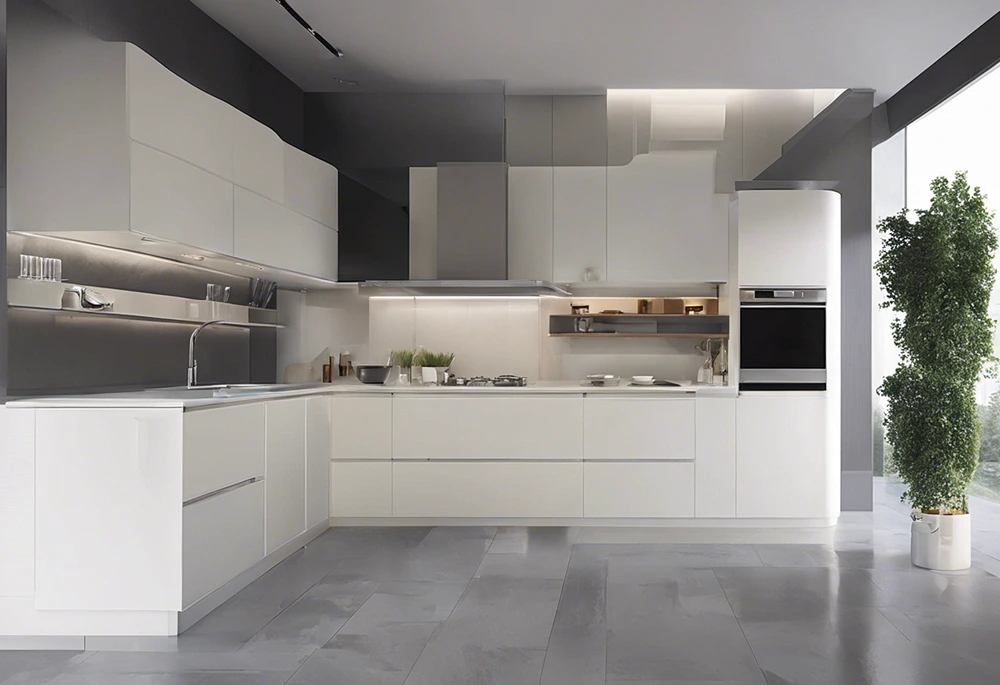
Lighting in a minimalist kitchen should be functional yet unobtrusive. Recessed lighting, under-cabinet lights, and simple pendant fixtures are popular choices. The lighting should enhance the kitchen’s clean lines and open feel.
Selecting Minimalist Accessories and Decorations
When it comes to accessories and decorations, less is more in a minimalist kitchen. Simple, functional items that complement the color scheme and design are ideal. Decorative elements should be kept to a minimum to maintain the uncluttered look.
Benefits of a Minimalist Kitchen
Practical and Aesthetic Advantages
A minimalist kitchen offers numerous benefits, both practical and aesthetic. The clean, uncluttered space is easier to clean and maintain. Aesthetically, the minimalist design creates a calming, sophisticated environment that can make the kitchen a more enjoyable space to be in.
Impact on Lifestyle and Well-being
Adopting a minimalist approach in the kitchen can have a positive impact on your lifestyle and well-being. It encourages a more organized way of living, reduces stress, and can even promote healthier eating habits as the kitchen becomes a more inviting space to prepare meals.
Budgeting for a Minimalist Kitchen Renovation
Creating a minimalist kitchen doesn’t have to break the bank. Here are some budgeting tips:
- Prioritize Quality Over Quantity: Invest in high-quality essentials rather than numerous cheaper items.
- DIY Where Possible: Consider DIY projects for simple tasks like painting or installing shelves.
- Shop Smart: Look for deals and discounts on high-quality materials and appliances.
Sustainable Practices in Minimalist Kitchens
Sustainability is key in modern kitchen design. Here are ways to incorporate eco-friendly practices:
- Eco-Friendly Materials: Opt for sustainable materials like bamboo for flooring and cabinetry.
- Energy-Efficient Appliances: Choose appliances with high energy ratings to reduce electricity consumption.
- Reduce Waste: Implement recycling and composting systems in your kitchen design.
Minimalist Kitchen Trends and Innovations
Stay ahead of the curve with these current minimalist kitchen trends:
- Smart Kitchens: Incorporate smart appliances and gadgets for enhanced functionality.
- Natural Elements: Use natural materials and colors for a warm, minimalist look.
- Open Shelving: Replace upper cabinets with open shelving for a spacious feel.
Common Challenges and Solutions
Addressing common issues in minimalist kitchen design:
- Small Spaces: Use multi-functional furniture and hidden storage solutions.
- Maintaining the Aesthetic: Regular decluttering and organization are key to preserving the minimalist look.
Frequently Asked Questions
- Sink, stovetop, oven, refrigerator
- Basic cooking equipment like pots, pans, and utensils
- Adequate storage solutions
- Declutter and organize essentials
- Use a cohesive color palette
- Opt for simple decorations that are also functional
- Regularly declutter and organize
- Use closed storage to hide items
- Keep countertops clear
Related Posts

Future Kitchen Technologies: Revolutionizing Home Cooking and Design
The kitchen, often considered the heart…


Tech-Advanced Kitchen Design: The Future of Culinary Spaces
The kitchen, traditionally the heart of…