

Minimalist kitchen decor is not just a design choice; it’s a lifestyle statement. In a world where clutter and excess are all too common, a minimalist kitchen stands out as a haven of calm, functionality, and understated elegance. This article, brought to you by Glasgow Tradespeople, delves into the world of minimalist kitchen decor, exploring its aesthetics, functionality, and practical tips for design and maintenance.
Key Takeaways:
- Minimalist kitchens are defined by clean lines, sleek surfaces, and a clutter-free environment.
- They balance functionality with style, using hidden storage and organized spaces.
- Personal touches and innovative layouts make minimalist kitchens unique and practical.
- Lighting and accessories play a crucial role in enhancing the minimalist appeal.
The Aesthetics of Modern Minimalist Kitchens
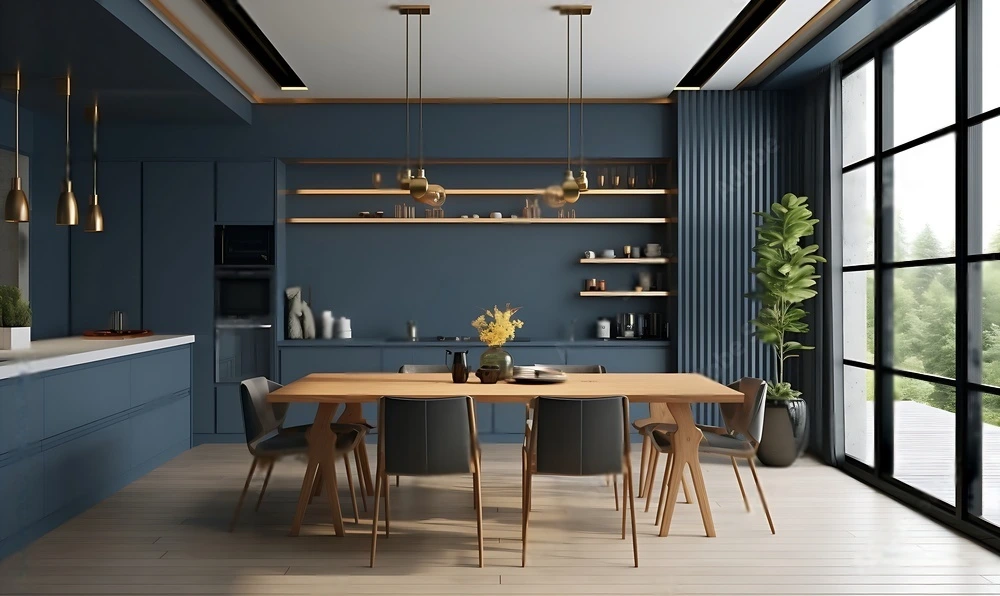
Simplicity Meets Style
Minimalist kitchens are a blend of modern simplicity and sophisticated design. They are characterized by:
- Clean Lines and Sleek Surfaces: The hallmark of minimalist design, these features create a sense of space and openness.
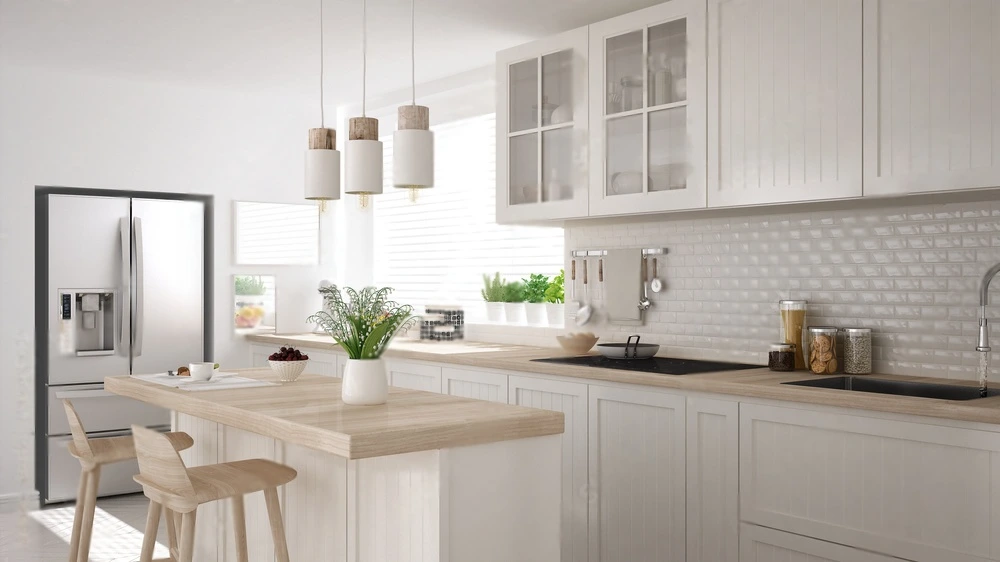
- Neutral Color Schemes: Typically featuring monochromatic schemes, these kitchens often use shades of white, gray, and black to create a serene atmosphere.
Material and Texture
A minimalist kitchen is not just about what you see, but also about the feel and quality of materials used. Common choices include:
- High-Quality Stone: Such as marble or granite, for countertops.
- Polished Concrete: For floors or countertops, adding a raw, yet refined touch.
- Natural Wood: Bringing warmth and texture to the space.
Functional Aspects of Minimalist Kitchens
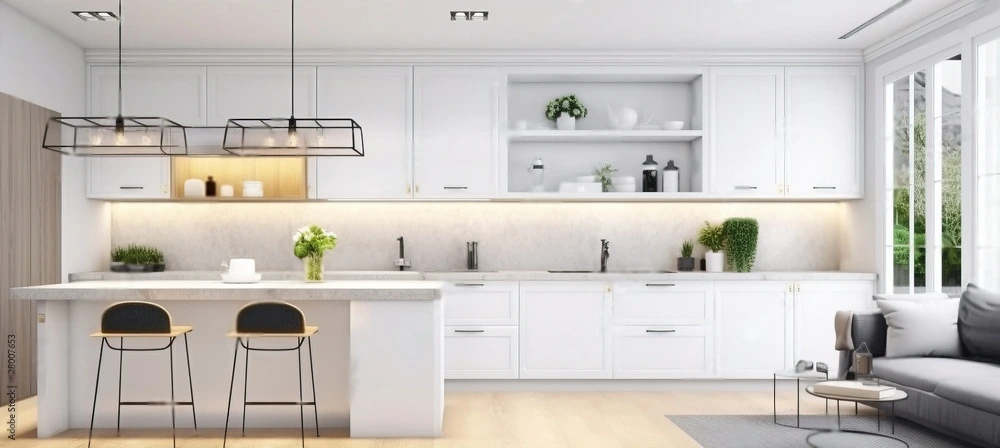
Organized and Efficient
The functionality of a minimalist kitchen lies in its organization and efficiency. Key features include:
- Hidden Storage Solutions: Cabinets and drawers designed to keep utensils and appliances out of sight.
- Integrated Appliances: Blending appliances into the cabinetry for a seamless look.
Ergonomic Design
Every aspect of a minimalist kitchen is designed with user comfort and efficiency in mind, from the height of countertops to the placement of appliances.
Incorporating Personality into Minimalist Kitchens
Unique Style Elements
While minimalist kitchens are known for their simplicity, they can also reflect personal style through:
- Pops of Color: A single vibrant element can become a focal point.
- Textured Backsplashes: Using materials like brushed metal or textured tiles.
Balancing Warmth and Modernity
To prevent a minimalist kitchen from feeling too sterile, consider:
- Wood Accents: Like wooden stools or cutting boards.
- Soft Lighting: To create a warm, inviting ambiance.
Minimalist Kitchen Layouts and Furniture
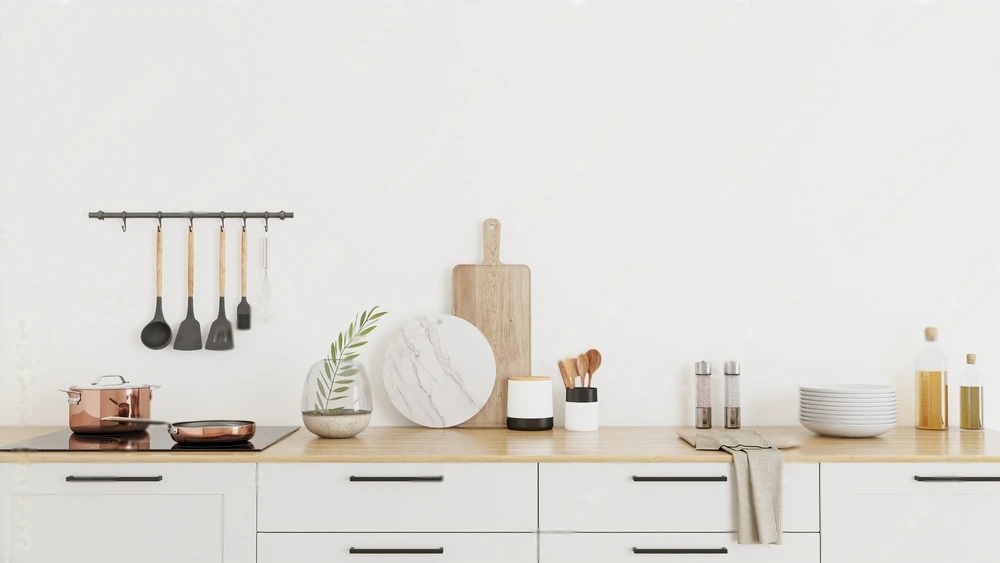
Space Optimization
The layout of a minimalist kitchen is crucial for functionality. Popular layouts include:
- L-Shaped: Maximizing corner space.
- Galley: Ideal for narrow spaces.
Furniture Choices
Selecting the right furniture is key to maintaining the minimalist aesthetic. Look for:
- Streamlined Chairs and Tables: With simple, clean lines.
- Functional Islands: Providing extra workspace and storage.
Lighting and Accessories in Minimalist Kitchens
Strategic Lighting
Good lighting is essential in a minimalist kitchen. Options include:
- Recessed Lighting: For a clean, unobtrusive look.
- Pendant Lights: For a modern, stylish touch.
Minimalist Decor
When it comes to accessories, less is more. Choose items that are both functional and aesthetically pleasing, like:
- Simple Vases: For a touch of greenery.
- Understated Wall Art: To add personality without clutter.
Practical Tips for Designing a Minimalist Kitchen
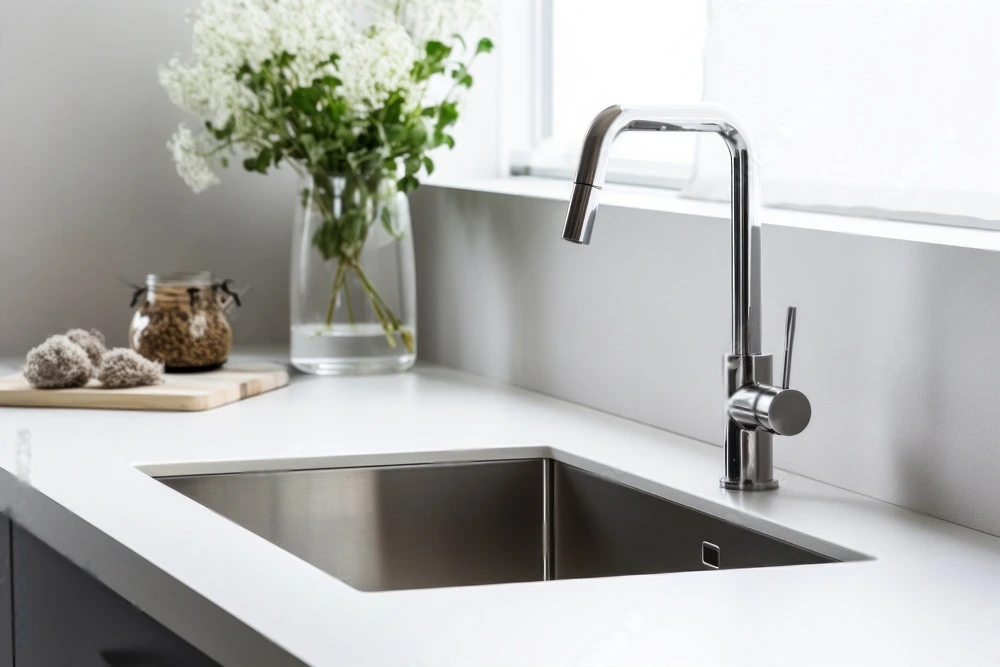
Selecting the Right Materials and Colors
- Choose Neutral Colors: Stick to a palette of whites, grays, and blacks to create a serene and timeless look.
- Opt for Quality Materials: Invest in high-quality materials like marble or polished concrete for durability and style.
Maximizing Functionality
- Innovative Storage Solutions: Utilize hidden cabinets and integrated appliances to maintain a clutter-free space.
- Ergonomic Layout: Ensure the kitchen layout is practical, with easy access to frequently used items and appliances.
Maintaining a Minimalist Look
- Regular Decluttering: Keep countertops clear and regularly declutter to maintain the minimalist aesthetic.
- Subtle Decorations: Use minimal decorations that complement the overall design without overwhelming the space.
Innovative Ideas for Small Minimalist Kitchens
Optimizing Limited Space
- Open Shelving: Replace upper cabinets with open shelving to create an illusion of more space.
- Compact Appliances: Choose smaller, more compact appliances to save space without sacrificing functionality.
Creative Layouts
- Vertical Storage: Utilize wall space for storage to free up floor space.
- Multipurpose Furniture: Invest in furniture that can serve multiple purposes, like a dining table that doubles as a prep area.
Maintaining a Minimalist Kitchen
Daily Practices
- Routine Cleaning: Regular cleaning helps maintain the minimalist look and feel.
- Organizational Systems: Implement systems to keep everything in its place, reducing clutter and disorganization.
Long-Term Care
- Quality Over Quantity: Choose durable materials and appliances that will stand the test of time.
- Regular Updates: Keep the kitchen updated with the latest minimalist trends to ensure it remains contemporary.
Frequently Asked Questions
- Basic Appliances: A stove, refrigerator, and sink are must-haves.
- Essential Cookware: A few versatile pots and pans, along with basic utensils.
- Adequate Storage: Enough cabinetry or shelving to neatly store essentials.
- Declutter: Remove unnecessary items and keep only the essentials.
- Cohesive Color Scheme: Stick to a simple color palette for a unified look.
- Functional Decor: Use items that are both decorative and functional.
- Regular Purging: Regularly review and remove items that are not used.
- Smart Storage Solutions: Use organizers and storage solutions to keep items neatly tucked away.
- Clear Countertops: Keep countertops clear except for essential items.
Related Posts

Future Kitchen Technologies: Revolutionizing Home Cooking and Design
The kitchen, often considered the heart…


Tech-Advanced Kitchen Design: The Future of Culinary Spaces
The kitchen, traditionally the heart of…