

Minimalist kitchen design is more than just an aesthetic choice; it’s a lifestyle decision that reflects a preference for simplicity, functionality, and elegance. In a world where clutter and excess can overwhelm, the minimalist approach offers a breath of fresh air, transforming the kitchen into a serene, efficient, and enjoyable space. This article delves into the essentials of minimalist kitchen design, offering insights and practical tips for those looking to embrace this refined style.
Key Takeaways:
- Simplicity in Form and Function: Minimalist kitchens focus on essential elements, eliminating unnecessary clutter.
- Neutral Color Palettes: These kitchens often feature monochromatic or neutral colors for a clean, uncluttered look.
- Innovative Storage Solutions: Clever storage is key to maintaining a minimalist aesthetic.
- Natural Light: Maximizing natural light is a crucial element in minimalist kitchen design.
Understanding the Minimalist Kitchen

The Essence of Minimalist Design
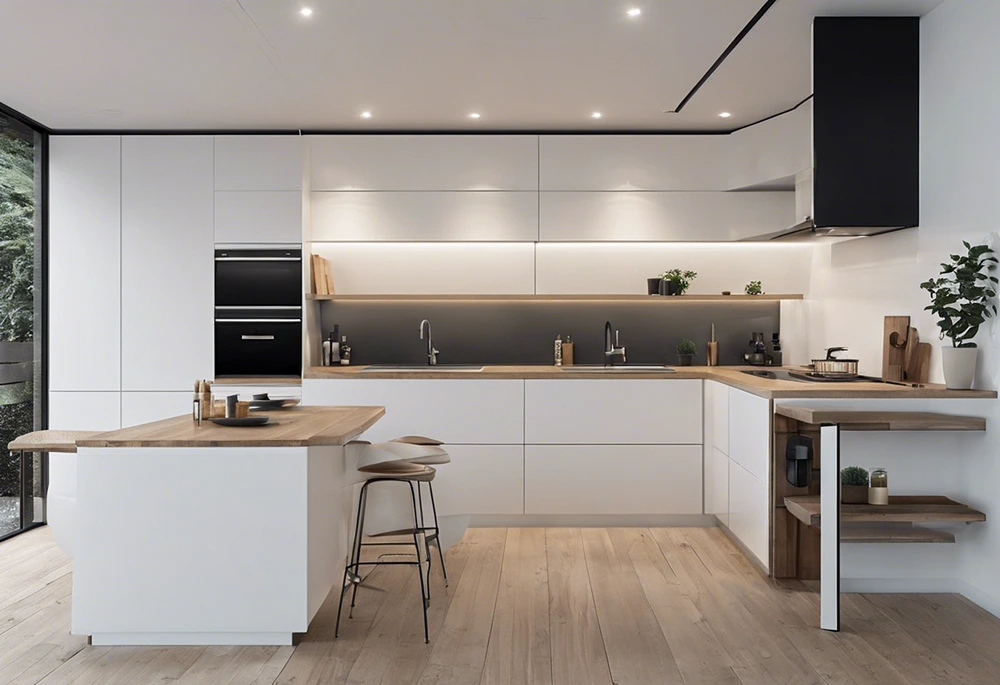
Minimalist kitchen design is characterized by its simplicity, both in form and function. It strips away the non-essential, leaving a space that is both functional and aesthetically pleasing. Neutral color palettes, such as whites, beiges, and greys, dominate these spaces, creating a calm and uncluttered environment. Clean lines and a lack of decorative excess define the minimalist kitchen, where every item and appliance has its place and purpose.
Planning Your Minimalist Kitchen
When planning a minimalist kitchen, consider the layout and space available. The design should focus on maximizing efficiency and minimizing clutter. Essential components like the sink, stove, and refrigerator should be arranged in a practical, user-friendly manner. Balancing aesthetics with functionality is key; the kitchen should not only look good but also cater to your cooking needs.
Table: Essential Components of a Minimalist Kitchen
| Component | Description |
| Sink | A simple, under-mount style that blends with the countertop |
| Stove | Sleek, integrated cooktops are preferred |
| Refrigerator | Integrated models that blend with cabinetry |
| Storage | Hidden cabinets and drawers for a clean look |
| Lighting | Recessed or simple pendant lights |
Storage Solutions
In a minimalist kitchen, storage is ingeniously designed to reduce clutter. This might include hidden cabinets, integrated appliances, and multi-functional furniture. The goal is to have a place for everything, with items stored out of sight when not in use.
Table: Innovative Storage Ideas
| Idea | Description |
| Pull-out Cabinets | For easy access to items at the back |
| Appliance Garages | To hide small appliances when not in use |
| Built-in Organizers | For utensils, spices, and cutlery |
Choosing Materials and Textures
The materials and textures in a minimalist kitchen should be carefully selected to maintain the clean, uncluttered look. Popular materials include stainless steel, polished concrete, and natural wood. Textures are used to add visual interest without overwhelming the space. Durability and ease of maintenance are also important considerations.
Table: Popular Materials in Minimalist Kitchens
| Material | Characteristics |
| Stainless Steel | Durable and easy to clean |
| Polished Concrete | Modern look and durable |
| Natural Wood | Adds warmth and texture |
Implementing Minimalist Design Elements
Color Schemes
The color scheme in a minimalist kitchen is typically monochromatic or involves neutral tones. These colors help create a tranquil and clean environment. Accent colors, if used, are subtle and complement the overall minimalist theme.
Lighting
Lighting in a minimalist kitchen is functional yet stylish. Recessed lighting, simple pendant lights, and under-cabinet lighting are common choices. The lighting should enhance the kitchen’s functionality while contributing to the overall minimalist aesthetic.
Furniture and Accessories
Furniture in a minimalist kitchen, such as tables and chairs, should be simple and functional. Accessories are used sparingly and are often functional items that also serve as decor, like a stylish fruit bowl or a sleek coffee machine.
Technology Integration
Modern minimalist kitchens often incorporate smart appliances and technology solutions. These might include integrated smart ovens, refrigerators, and lighting systems that enhance functionality and maintain the minimalist look.
Maintaining a Minimalist Kitchen
To keep your minimalist kitchen looking its best, establish a routine for cleaning and decluttering. Regularly assess your kitchen items and remove anything that is not essential or frequently used.

Advanced Design Elements in Minimalist Kitchens
Colorful Accents in a Minimalist Setting
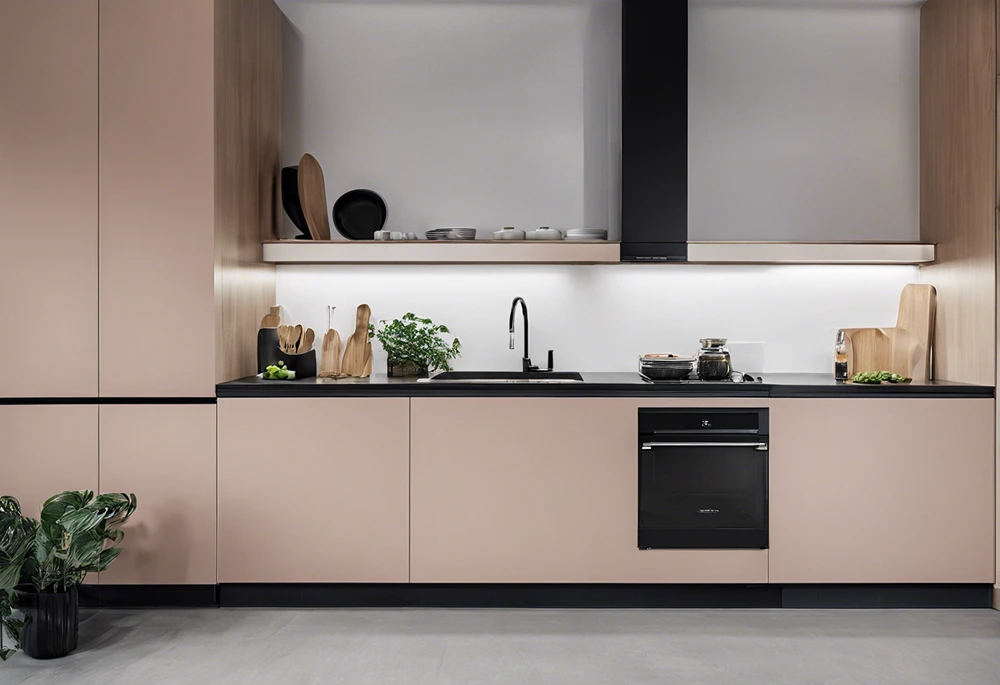
While minimalist kitchens often feature neutral color palettes, introducing subtle colorful accents can add vibrancy without overwhelming the space. Consider adding a single accent color or using colorful lighting fixtures as focal points.
Table: Accent Color Ideas
| Accent Color | Application |
| Soft Blue | Backsplash or cabinet doors |
| Warm Yellow | Decorative items or lighting fixtures |
| Rich Green | Plants or herb gardens |
Textures and Materials
Mixing textures and materials can add depth to a minimalist kitchen. Combining smooth surfaces like polished concrete with natural textures like wood can create a balanced and inviting space.
Table: Texture and Material Combinations
| Texture/Material | Use |
| Polished Concrete | Countertops or flooring |
| Natural Wood | Cabinet fronts or shelving |
| Stainless Steel | Appliances or fixtures |
Lighting as a Design Element
Lighting in a minimalist kitchen is not just functional; it’s part of the design. Strategically placed lighting can highlight architectural features or create ambiance.
Table: Lighting Ideas
| Lighting Type | Description |
| Pendant Lights | Over islands or dining areas |
| Under-Cabinet Lighting | For task areas |
| Recessed Lighting | General ambient lighting |
Maintaining Your Minimalist Kitchen
Daily and Weekly Cleaning Routines
Establishing regular cleaning routines is crucial in a minimalist kitchen. Daily tasks might include wiping down surfaces and putting away dishes, while weekly routines could involve deeper cleaning of appliances and cabinets.
Table: Cleaning Checklist
| Frequency | Task |
| Daily | Wipe down countertops and surfaces |
| Weekly | Clean appliances and cabinets |
| Monthly | Organize and declutter storage areas |
Organizational Strategies
Effective organization is key to maintaining the minimalist aesthetic. Use drawer organizers, shelf dividers, and other tools to keep everything in its place.
Table: Organizational Tools
| Tool | Use |
| Drawer Dividers | Separate utensils and tools |
| Shelf Risers | Maximize vertical storage space |
| Wall Racks | Store pots, pans, or utensils |
Frequently Asked Questions
Creating a minimalist kitchen doesn’t have to be expensive. Focus on decluttering, use paint to refresh cabinets, and invest in a few key pieces that align with the minimalist aesthetic.
In small kitchens, maximize vertical space with wall storage, choose compact and multi-functional furniture, and keep the color palette light to create an illusion of space.
Incorporate elements that reflect your personal style, such as artwork, decorative items, or unique lighting fixtures, while maintaining the overall minimalist theme.
Related Posts

Future Kitchen Technologies: Revolutionizing Home Cooking and Design
The kitchen, often considered the heart…


Tech-Advanced Kitchen Design: The Future of Culinary Spaces
The kitchen, traditionally the heart of…