

Minimalist kitchen styles are not just a design choice; they’re a lifestyle statement. In a world where clutter and excess are all too common, a minimalist kitchen stands out as a haven of calm, functionality, and understated elegance. This article explores the essence of minimalist kitchen design, offering insights and tips to help you create a space that is both aesthetically pleasing and supremely functional.
Key Takeaways:
- Minimalist kitchens focus on simplicity, functionality, and clean lines.
- They often feature monochromatic color schemes and natural materials.
- Proper layout and organization are crucial for maintaining a minimalist look.
- Minimalist design can be adapted to various kitchen sizes and styles.
The Essence of Minimalist Kitchen Design
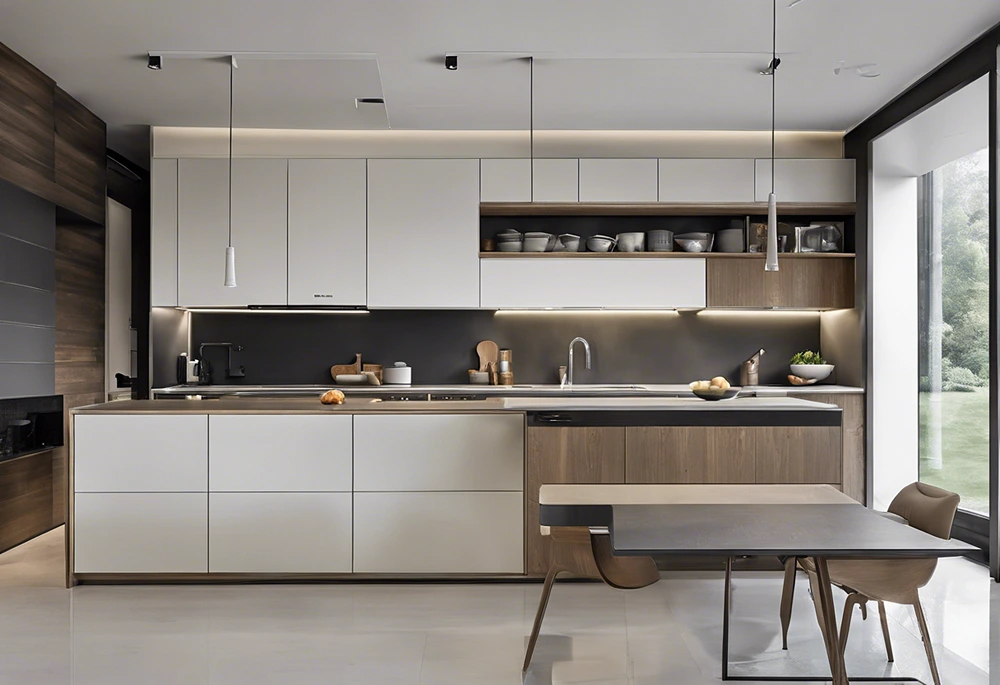
Minimalist kitchen design is characterized by its simplicity, clean lines, and a monochromatic palette, often complemented by natural materials like wood and stone. The focus is on creating a functional, clutter-free space that emphasizes quality over quantity.
Simplicity in Form and Function
A minimalist kitchen strips away the unnecessary, leaving only the essentials. This approach not only creates a visually appealing space but also enhances the kitchen’s functionality.
- Layout Considerations: The layout is streamlined, often featuring an open-plan design to maximize space.
- Furniture and Fixtures: Choose sleek, simple furniture and fixtures that blend seamlessly with the overall design.
- Technology Integration: Modern appliances are often built-in or cleverly concealed to maintain the minimalist aesthetic.
Color Schemes and Materials
The color palette in a minimalist kitchen is usually monochromatic, featuring whites, blacks, or greys, accented by natural materials like wood or stone.
- Natural Light: Maximizing natural light is a key element, often achieved through large windows or skylights.
- Material Selection: Use materials that are both beautiful and functional, like marble countertops or hardwood floors.
Global Influences in Minimalist Kitchen Design
Minimalist design transcends borders, drawing influences from various cultures and regions. Each brings its unique flair to the minimalist concept.
Cultural Influences
- Scandinavian Minimalism: Known for its functionality and simplicity, Scandinavian design often features white or light wood tones.
- Japanese Minimalism: Focuses on the concept of Zen, emphasizing clean lines and open spaces.
Case Studies
- Urban Apartments: In city dwellings, minimalist kitchens often use vertical space creatively, incorporating tall cabinets and floating shelves.
- Suburban Homes: Larger kitchens might feature central islands and integrated dining areas, maintaining a minimalist look while catering to family needs.
Maintaining a Minimalist Kitchen
Keeping a minimalist kitchen clutter-free requires discipline and smart design choices.
Decluttering and Organizing
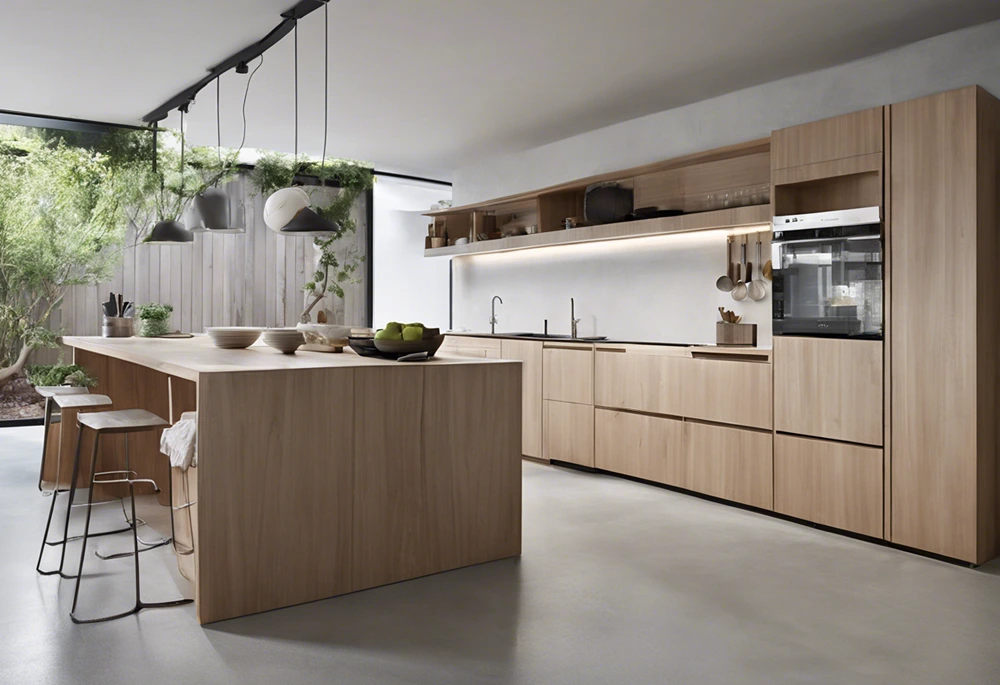
- Storage Solutions: Utilize clever storage solutions like hidden cabinets and multi-functional furniture.
- Regular Decluttering: Make it a habit to regularly review and declutter your kitchen space.
Cleaning and Maintenance
- Easy-to-Clean Surfaces: Choose materials and finishes that are easy to clean and maintain.
- Routine Cleaning: Establish a regular cleaning routine to keep your minimalist kitchen looking its best.
Innovations in Minimalist Kitchen Design
The world of minimalist kitchen design is constantly evolving, with new trends and materials emerging regularly.
Emerging Trends
- Sustainable Materials: Eco-friendly materials are becoming increasingly popular in minimalist kitchen design.
- Smart Kitchens: The integration of smart technology is on the rise, making kitchens more efficient and user-friendly.
Material Innovations
- Recycled Materials: Recycled or upcycled materials are being used to create unique, eco-friendly kitchen designs.
- High-Tech Surfaces: Innovative materials like nano-tech surfaces are making kitchens more durable and easier to maintain.
Challenges in Creating a Minimalist Kitchen
Designing a minimalist kitchen comes with its own set of challenges, from balancing aesthetics with functionality to managing space in smaller homes.

Functionality vs. Aesthetics
- Practical Design: Ensure that the kitchen remains functional for cooking and storage, without compromising on style.
- Balanced Decor: Avoid over-decorating; choose a few key pieces that complement the minimalist theme.
Space Management
- Small Spaces: In smaller kitchens, focus on multi-functional furniture and appliances.
- Layout Optimization: Plan the layout carefully to make the most of the available space.
Case Studies: Successful Minimalist Kitchen Projects
Examining real-life examples can provide valuable insights into the practical application of minimalist kitchen design.
Notable Designs
- Urban Loft Kitchens: Explore how minimalist design is applied in loft-style apartments, where space is at a premium.
- Family Homes: See how minimalist kitchens can be both stylish and family-friendly.
Lessons Learned
- Custom Solutions: Tailor the design to fit the specific needs and constraints of the space.
- Quality Over Quantity: Invest in high-quality materials and appliances for a lasting minimalist kitchen.
Innovations in Minimalist Kitchen Design
Emerging Trends and Materials
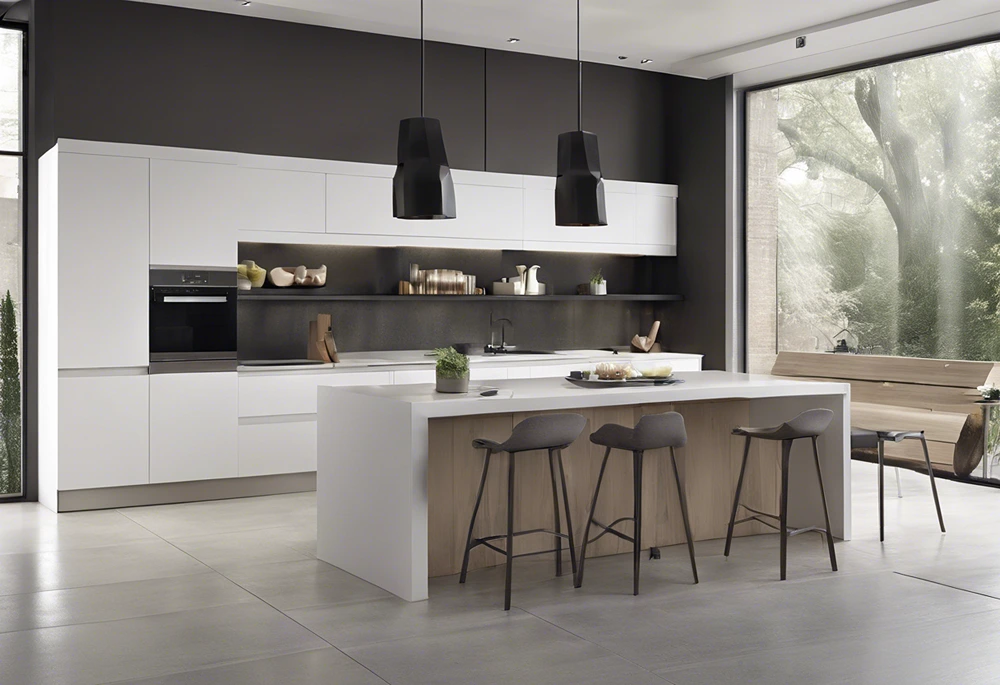
The minimalist kitchen landscape is continually evolving, with a focus on sustainability and smart technology integration.
- Eco-Friendly Practices: Use of recycled materials and energy-efficient appliances.
- Smart Kitchen Technologies: Incorporation of IoT devices for enhanced functionality.
Material Innovations
Innovative materials are redefining minimalist kitchen aesthetics and functionality.
- Recycled and Upcycled Materials: Creating unique, eco-friendly designs.
- Nano-Tech Surfaces: Offering durability and ease of maintenance.
Challenges in Creating a Minimalist Kitchen
Functionality vs. Aesthetics
Balancing practicality with minimalist design principles is key.
- Practical Design Choices: Ensuring the kitchen remains functional for cooking and storage.
- Balanced Decor: Minimal decoration with a focus on functionality.
Space Management in Smaller Homes
Effective use of space is crucial, especially in compact kitchens.
- Multi-Functional Furniture: Maximizing space with smart furniture choices.
- Layout Optimization: Efficient use of available space without compromising style.
Case Studies: Successful Minimalist Kitchen Projects
Notable Designs
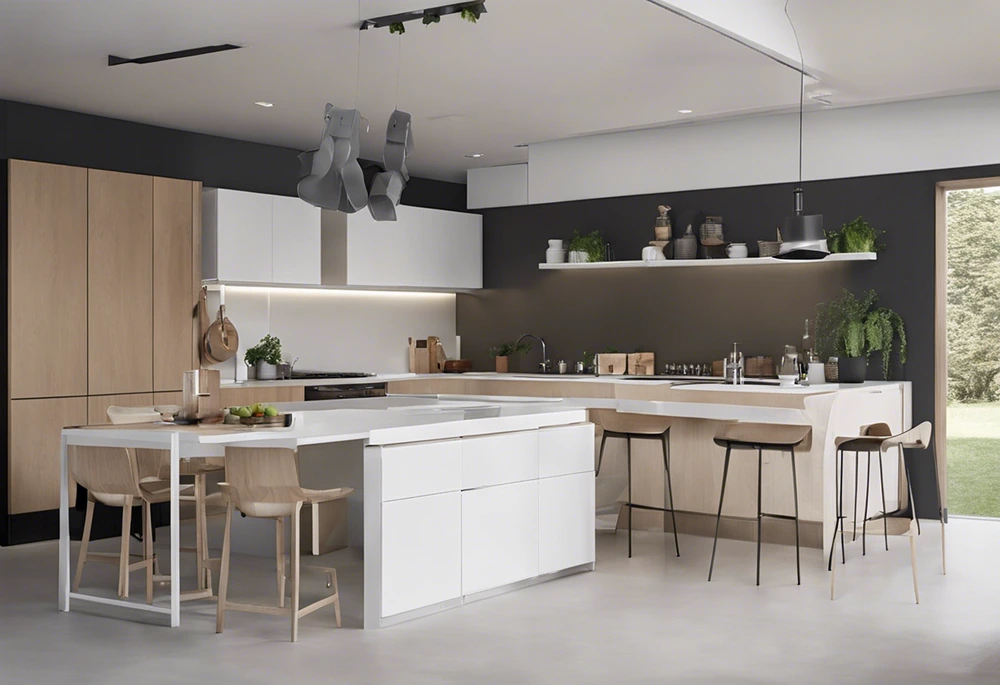
Exploring how minimalist principles are applied in different settings.
- Urban Loft Kitchens: Creative use of vertical space and open-plan designs.
- Family Homes: Balancing style and functionality in larger kitchens.
Lessons Learned
Key takeaways from successful minimalist kitchen designs.
- Custom Solutions: Tailoring design to specific needs and space constraints.
- Quality Over Quantity: Investing in high-quality materials for longevity.
Frequently Asked Questions
- Basic Appliances: A sink, stovetop, oven, refrigerator.
- Essential Cookware: A large pot, a saucepan, a sauté pan, and basic utensils.
- Storage: Efficient cabinetry or shelving for organization.
- Declutter: Keep only essential items and use open shelving for display.
- Color Palette: Stick to a cohesive and understated color scheme.
- Decor: Use functional items as decor, like a fruit bowl or a teapot.
- Inventory Management: Regularly review and eliminate unused items.
- Cleanliness: Maintain a regular cleaning schedule.
- Organization: Ensure everything has a designated place.
Related Posts

Future Kitchen Technologies: Revolutionizing Home Cooking and Design
The kitchen, often considered the heart…


Tech-Advanced Kitchen Design: The Future of Culinary Spaces
The kitchen, traditionally the heart of…