

The kitchen, often referred to as the heart of the home, is undergoing a significant transformation. The latest trend in kitchen design is the use of mixed materials, a concept that combines various elements like wood, metal, glass, and stone to create a unique and visually appealing space. This approach not only enhances the aesthetics of the kitchen but also adds depth and character, making each kitchen distinct and personalized.
Key Takeaways:
- Mixed materials kitchens are at the forefront of modern design trends.
- Combining different textures and finishes adds depth and visual interest.
- This trend allows for a high degree of customization and personalization.
The Rise of Mixed Materials in Kitchen Design
In recent years, the trend of mixed materials in kitchen design has gained immense popularity. This approach breaks away from traditional design norms, offering a fresh perspective on kitchen aesthetics. By blending various materials, designers and homeowners can create a space that is both functional and stylish.

Understanding the Concept of Mixed Materials Kitchens
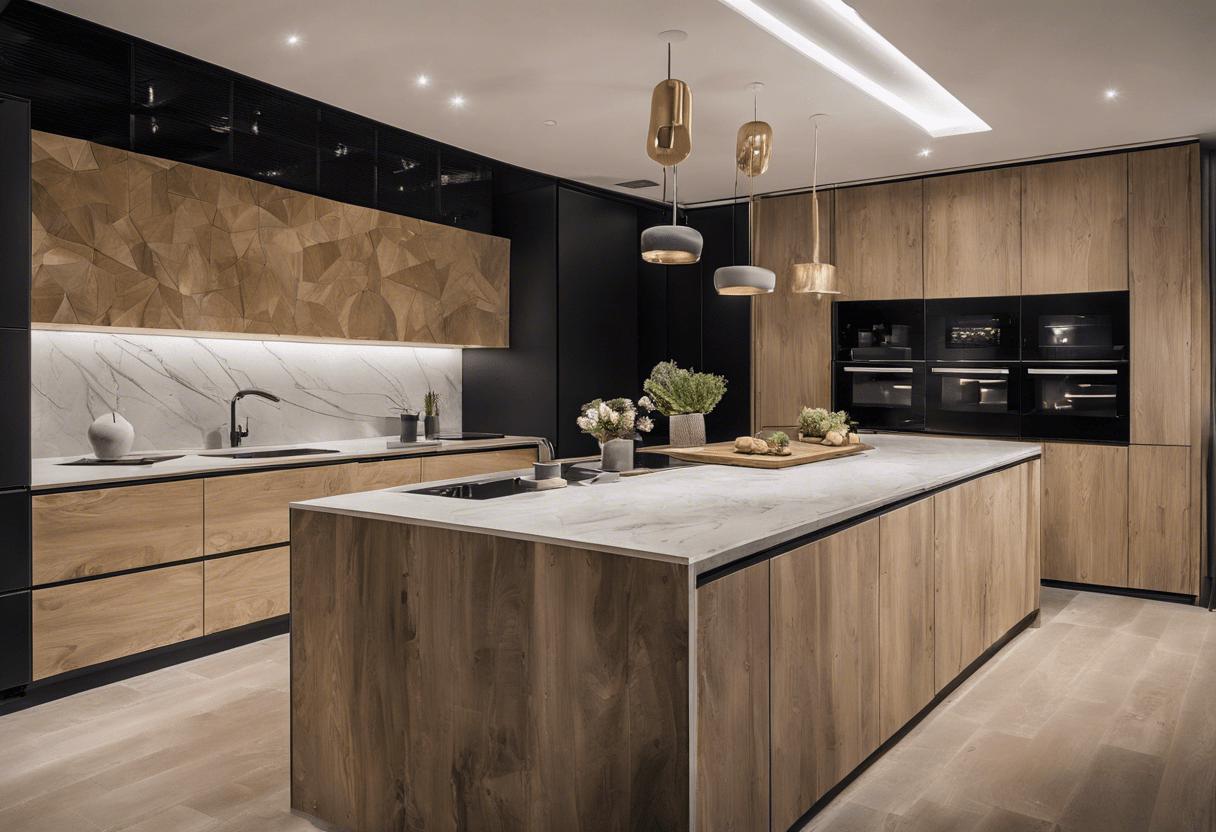
A mixed materials kitchen is characterized by the use of diverse elements in harmony. This can include a combination of natural wood with sleek metals, glossy glass accents alongside rugged stone, or even contrasting textures within the same material category. The key is to balance these different materials in a way that complements the overall design theme.
Why Mixed Materials are Trending in Modern Kitchens
The shift towards mixed materials in kitchens can be attributed to several factors:
- Desire for Unique Spaces: Homeowners are increasingly seeking ways to personalize their spaces. Mixed materials offer an opportunity to create a kitchen that reflects individual style and preferences.
- Evolution of Design Trends: As design trends evolve, there’s a move away from monochromatic and uniform kitchens towards more dynamic and eclectic designs.
- Advancements in Material Technology: With advancements in material technology, there are more options available than ever before, allowing for creative and innovative combinations.
The Impact of Mixed Materials on Kitchen Aesthetics
The use of mixed materials significantly impacts the overall look and feel of a kitchen. It brings a sense of depth and complexity, making the kitchen more than just a functional space but a centerpiece of home design.
Design Elements in Mixed Materials Kitchens
Combining Wood, Metal, Glass, and Stone
- Wood: Brings warmth and natural beauty, often used in cabinetry or as an accent.
- Metal: Offers a sleek and modern touch, commonly found in appliances and hardware.
- Glass: Adds a sense of openness and brightness, perfect for backsplashes or cabinet doors.
- Stone: Provides durability and a timeless appeal, ideal for countertops and flooring.
The Role of Textures and Finishes
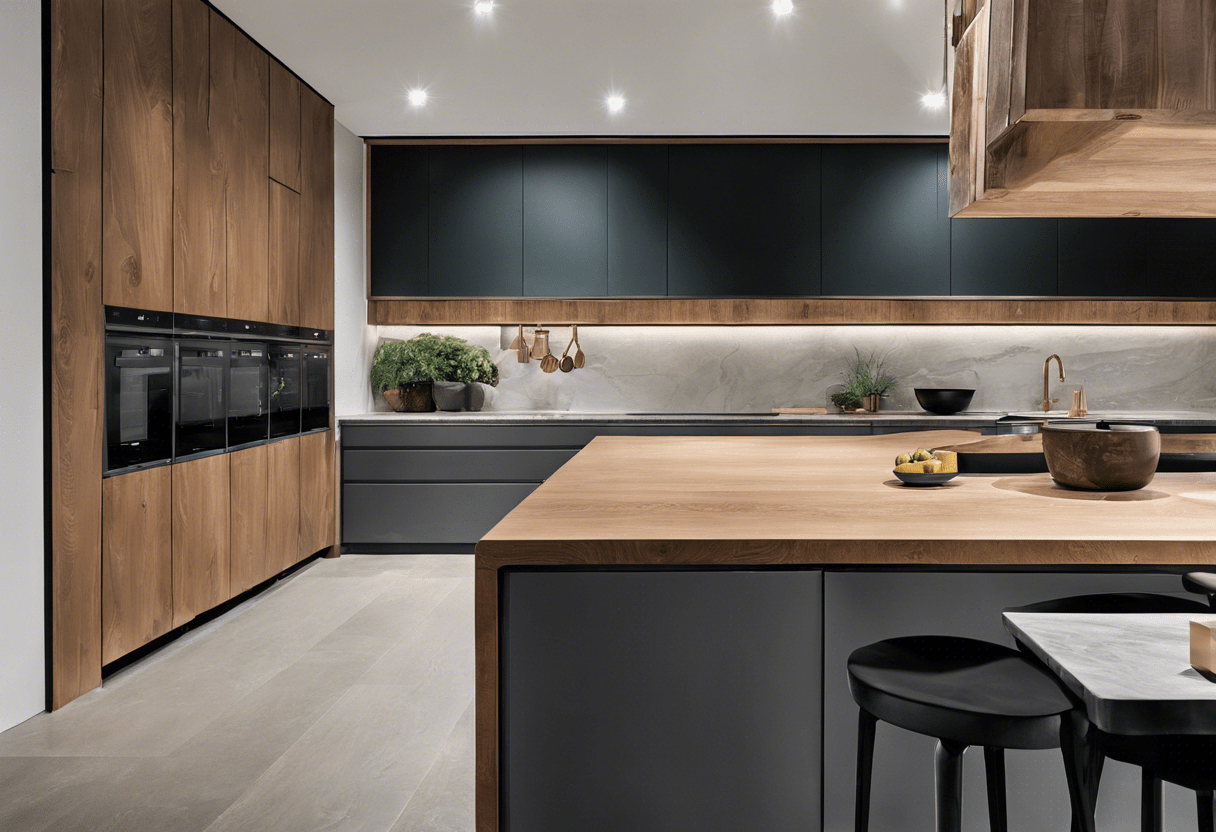
Textures and finishes play a crucial role in a mixed materials kitchen. They can either contrast or complement each other, depending on the desired outcome. For instance, a glossy finish on cabinets can beautifully offset a matte stone countertop.
Creating Focal Points with Mixed Materials
In a mixed materials kitchen, certain elements can be designed to stand out as focal points. This could be a striking stone island, a bold metal hood, or a unique wooden backsplash. These features draw the eye and add interest to the space.
Balancing Functionality and Style
While aesthetics are important, functionality should not be compromised. It’s essential to consider the practical aspects of each material, such as durability, maintenance, and suitability for kitchen use.
Color Schemes and Material Combinations
Choosing the right color scheme is vital in a mixed materials kitchen. It’s important to select colors that harmonize with the different materials while also reflecting the homeowner’s personal style.
Sustainable and Eco-Friendly Material Choices
Sustainability is becoming increasingly important in kitchen design. Eco-friendly materials like recycled glass or sustainably sourced wood are not only good for the environment but also add a unique story to the kitchen.
Customization and Personalization
One of the biggest advantages of mixed materials kitchens is the ability to customize and personalize the space. Homeowners can mix and match materials to create a kitchen that truly reflects their personality and lifestyle.
Table 1: Material Characteristics
| Material | Characteristics | Ideal Use |
| Wood | Warm, Natural | Cabinetry, Accents |
| Metal | Sleek, Modern | Appliances, Hardware |
| Glass | Open, Bright | Backsplashes, Cabinet Doors |
| Stone | Durable, Timeless | Countertops, Flooring |
Table 2: Texture and Finish Combinations
| Texture | Finish | Combination Example |
| Rough | Matte | Stone Countertop with Matte Finish |
| Smooth | Glossy | High-Gloss Cabinets with Smooth Metal Handles |
Design Elements in Mixed Materials Kitchens

Sustainable and Eco-Friendly Material Choices
Eco-conscious choices are increasingly important in kitchen design. Homeowners are opting for materials that are not only aesthetically pleasing but also environmentally friendly.
- Recycled Glass: Offers a unique look and is a great way to reuse materials.
- Sustainably Sourced Wood: Adds warmth and character while being responsible.
- Bamboo: A fast-growing, sustainable option for flooring and cabinetry.
Customization and Personalization
The true beauty of mixed materials kitchens lies in their ability to be tailored to individual tastes and needs. This customization ensures that no two kitchens are exactly alike.
- Personalized Color Schemes: Homeowners can choose colors that reflect their personality.
- Unique Material Combinations: The mix of different materials allows for creative freedom in design.
Table 3: Eco-Friendly Material Options
| Material | Eco-Friendly Aspect | Ideal Use |
| Recycled Glass | Sustainable, Unique | Countertops, Backsplashes |
| Bamboo | Fast-Growing, Durable | Flooring, Cabinetry |
| Reclaimed Wood | Reduces Waste, Characterful | Accent Pieces, Shelving |
Table 4: Customization Options
| Customization Aspect | Benefit | Example |
| Color Schemes | Reflects Personal Style | Choosing bold or muted tones |
| Material Mix | Unique Design | Combining stone, wood, and metal |
FAQs on Mixed Materials Kitchens
- Aesthetic Appeal: Creates a visually dynamic space.
- Personalization: Allows for a kitchen that reflects individual style.
- Functionality: Different materials can be chosen for their practical benefits.
- Regular Cleaning: Use appropriate cleaners for each material.
- Protective Treatments: Apply sealants to porous materials like wood and stone.
- Avoid Harsh Chemicals: Use gentle cleaning agents to prevent damage.
Absolutely. In smaller kitchens, mixed materials can create a sense of depth and interest without overwhelming the space. Choosing the right combination of materials can make a small kitchen feel larger and more inviting.
Incorporating Mixed Materials in Kitchen Renovation
When renovating a kitchen, incorporating mixed materials can transform the space. It’s important to consider the existing elements and how new materials will complement or contrast them.
- Renovation Planning: Consider the overall theme and how different materials will fit into it.
- Budgeting: Mixed materials can vary in cost, so it’s important to plan accordingly.
Table 5: Renovation Considerations
| Consideration | Importance | Tip |
| Theme Consistency | Ensures Cohesion | Choose materials that align with the desired style |
| Budget Management | Controls Costs | Balance high-end materials with more affordable options |

Trends in Mixed Materials Kitchens
As we look towards the future, certain trends are emerging in mixed materials kitchens.
- Bold Contrasts: Combining contrasting materials for a striking look.
- Natural Elements: Incorporating natural materials for a warm, organic feel.
- Technological Integration: Using modern materials that accommodate new technologies.
Table 6: Emerging Trends
| Trend | Description | Example |
| Bold Contrasts | Striking differences in materials | Dark stone with light wood |
| Natural Elements | Use of organic materials | Bamboo, natural stone |
| Technological Integration | Accommodating modern appliances | Smart surfaces, durable materials |
Related Posts

Future Kitchen Technologies: Revolutionizing Home Cooking and Design
The kitchen, often considered the heart…


Tech-Advanced Kitchen Design: The Future of Culinary Spaces
The kitchen, traditionally the heart of…