Key Takeaways:
- Converting a garage or attic provides alternative extra space.
- Building ground floor extensions and finishing basements utilizes untapped zones.
- Separate outbuildings maximize yards for studios, offices, etc.
- Adding a level or moving to a larger home solves limited space.
- Get creative in looking beyond lofts to adapt existing or new spaces to your needs.
- With an open mind, discover many possibilities to gain the valuable living area your home lacks. If your home lacks a loft for converting, explore creative alternatives like garages, extensions, attics, outbuildings and more to add livable square footage.
Lacking a loft to convert doesn’t mean you can’t gain an extra living area. With creative thinking outside the upstairs box, there are plenty of alternative options for expanding your home’s square footage. Depending on your property, consider these savvy substitutes for a loft conversion in Glasgow:
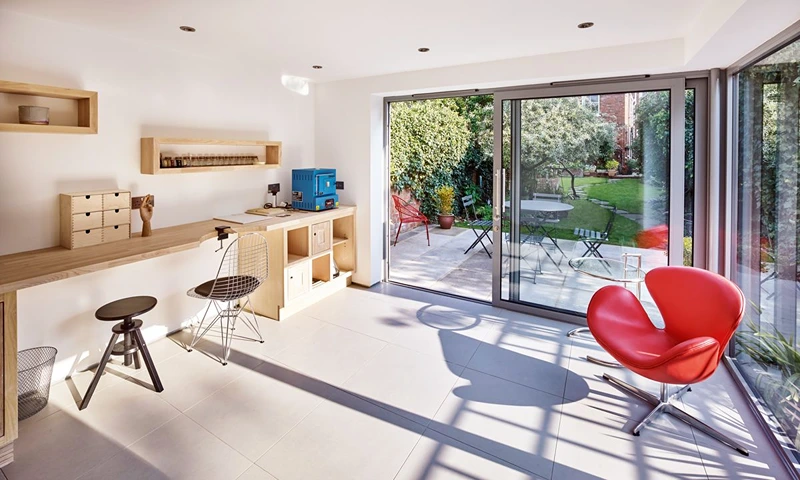
Converting the Garage
Turning your garage into a bedroom, office or living space is a straightforward project.
- Insulate the existing structure well for comfort and energy efficiency.
- Run electricity, heating and plumbing if desired.
- Add windows and drywall to finish the interior.
- Build a new shed if you lose storage space.
Converting garages works especially well for detached structures.
Added Ground Floor Space
Rather than building up, building out adds living space:
- Construct a side or rear extension for more rooms.
- Convert a conservatory or porch to an interior living area.
- Take down non-weight-bearing walls to create an open concept plan.
- Finish the basement or unused crawl space beneath the ground floor.
- Add a modular garden office or studio in the backyard.
Think outside the box about unused ground floor zones to modify.
Building an Extension
Traditional extensions offer flexibility:
- Size it to your spatial needs.
- Match the style to your home or make it modern.
- Add bedrooms, bathrooms, a private workspace.
- Expand upwards to add a second storey.
- Blend it into your existing home or separate it.
Just be sure to get proper planning permission.
When deciding between a loft conversion and an extension, there are several factors to consider, as each option has its own benefits and drawbacks:
Loft Conversion
Pros:
- Maximizes Existing Space: Utilizes the unused attic space without increasing the footprint of your house.
- Less Disruptive: Generally less disruptive than building an extension, as most of the work is confined to the loft.
- Adds Value: Can significantly increase the value of your home.
- No Garden Space Lost: Ideal for homes with limited outdoor space, as it doesn’t encroach on garden areas.
- Potentially Quicker: Often quicker to complete than an extension, subject to the project’s complexity.
Cons:
- Limited by Existing Structure: The shape and size of your loft may limit design possibilities.
- Height Restrictions: Low roof height can limit usability.
- Access Issues: Incorporating a staircase can be challenging, requiring space from the existing floor plan.
- Not Suitable for All Properties: Not feasible for some homes due to structure or planning constraints.
Extension
Pros:
- More Design Freedom: Offers more flexibility in terms of design, layout, and size.
- Can Add Significant Space: Ideal for adding large, open-plan areas like kitchens or living rooms.
- Increases Property Footprint: Expands the overall size of your home.
- Variety of Types: Options include single-storey, double-storey, side return, and more, depending on your needs and space.
Cons:
- Can Be More Expensive: Generally more costly than a loft conversion, depending on size and complexity.
- Loss of Outdoor Space: Requires sacrificing part of your garden or outdoor area.
- More Disruptive: Construction can be more intrusive, often affecting daily life more significantly.
- Planning Permissions: Might be more challenging to obtain planning permission, especially in dense urban areas or conservation zones.
Ultimately, the decision between a loft conversion and an extension depends on your specific needs, the nature of your property, budget considerations, and long-term plans for your home. Both options can add substantial value and functionality but in different ways. Consulting with an architect or builder can provide insights tailored to your situation.
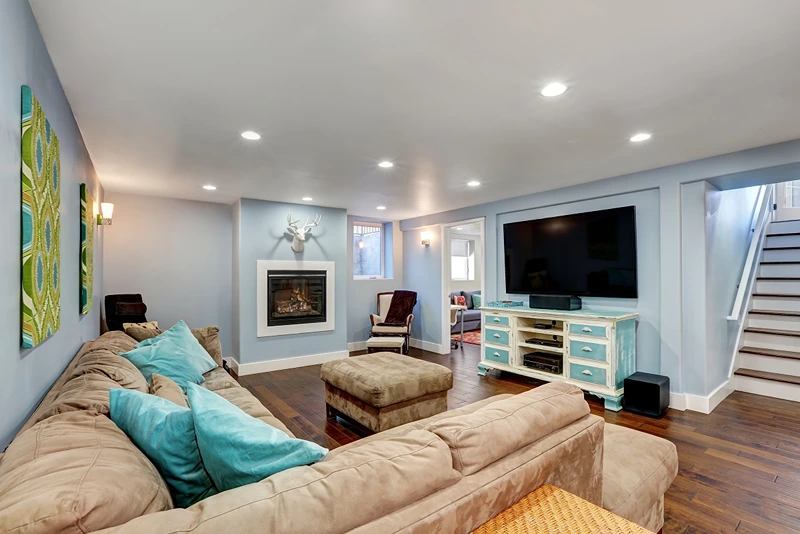
Finishing the Basement
Often overlooked, basements offer untapped potential:
- Waterproof and frame the structure for a living area.
- Add ground-level windows and light wells.
- Install a second kitchen, home theater, and large rec room.
- Turn into an in-law suite or rental apartment.
Basement conversions maximize unused subterranean space.
Converting the Attic
If you lack a loft but have an attic:
- Reinforce the ceiling rafters to create a new floor.
- Raise the roof if needed for height.
- Add insulation, power, heating and plumbing.
- Finish it like any loft conversion.
Attics and top floors also work for conversions.
Creating an Outbuilding
Separate from the main house, consider:
- A guest house for visiting family and friends.
- Backyard cottage, studio or office retreat.
- Pool house, gym or recreation building.
- Standalone garage or workshop with bonus room above.
Smaller outbuildings maximize outdoor space for living needs.
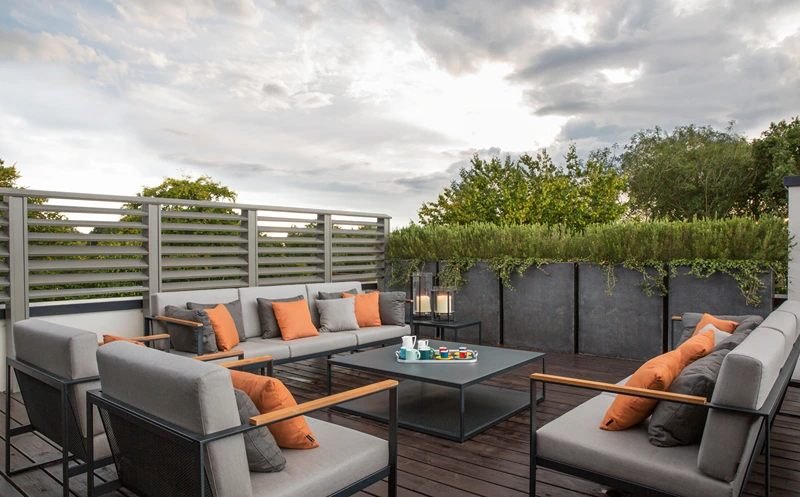
Going Up with a Level
If space allows, add a storey:
- Build on top of the existing roof.
- Match architecture and roof style.
- Expand rooms downstairs to two floors.
- Add a rooftop terrace.
Going vertical makes sense for bungalows and single-storey homes.
Moving to a Larger Home
If your current home simply cannot be adapted, moving solves limited space. Seek properties with:
- Actual lofts to convert.
- Basements and garage spaces to transform.
- Flexible layouts and unused zones.
- Additional floors or larger square footage.
Don’t underestimate the power of making a fresh spatial start!
With creative vision, there are many options beyond loft conversions to gain the valuable living area your household needs. Explore additions, renovations or a move to find your ideal space solution.