

In the realm of kitchen design, the trend towards sustainability and eco-consciousness has never been more pronounced. Recycled kitchen materials are at the forefront of this movement, offering a blend of environmental responsibility and contemporary style. As we delve into the world of recycled materials in kitchen design, it’s essential to understand not only the types and benefits of these materials but also how they are shaping the latest design trends.
Key Takeaways:
- Recycled materials offer both environmental and aesthetic benefits in kitchen design.
- Understanding the types of recycled materials and their applications can enhance the sustainability of your kitchen.
- Current design trends are increasingly incorporating recycled elements for a modern, eco-friendly look.
The Rise of Recycled Materials in Kitchen Design
Why Recycled Materials?
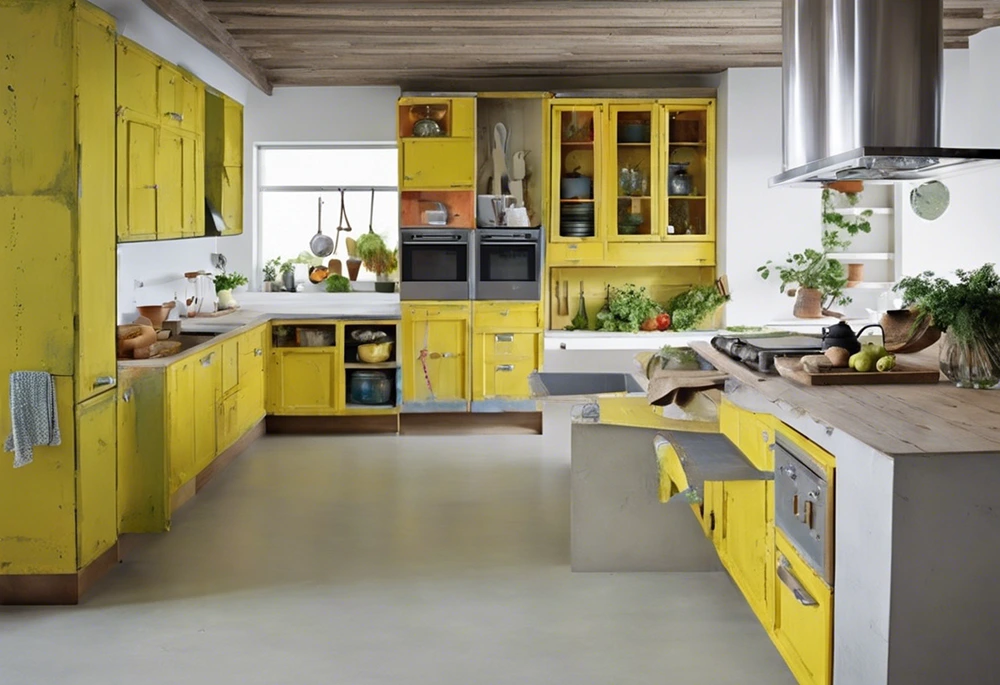
The use of recycled materials in kitchen design is more than a trend; it’s a response to the growing need for sustainable living practices. By choosing recycled materials, homeowners and designers can significantly reduce environmental impact, conserve natural resources, and embrace a more sustainable lifestyle.
Environmental Impact
- Conservation of Resources: Using recycled materials helps conserve natural resources like timber, water, and minerals.
- Reduction in Pollution: Recycling reduces the need for landfill space and decreases pollution from waste disposal.
- Energy Efficiency: Manufacturing products from recycled materials often requires less energy than producing new materials.
Aesthetic and Practical Benefits
- Unique Style: Recycled materials offer a unique and often rustic charm that can’t be replicated with new materials.
- Durability: Many recycled materials are surprisingly durable and long-lasting.
- Cost-Effectiveness: In some cases, recycled materials can be more cost-effective than new materials.
Types of Recycled Materials in Kitchen Design
Recycled Glass Countertops
Recycled glass countertops are a stunning and eco-friendly addition to any kitchen. They are made from post-consumer and post-industrial glass, combined with cement or resin. These countertops are not only beautiful but also durable and easy to maintain.
Reclaimed Wood Cabinets
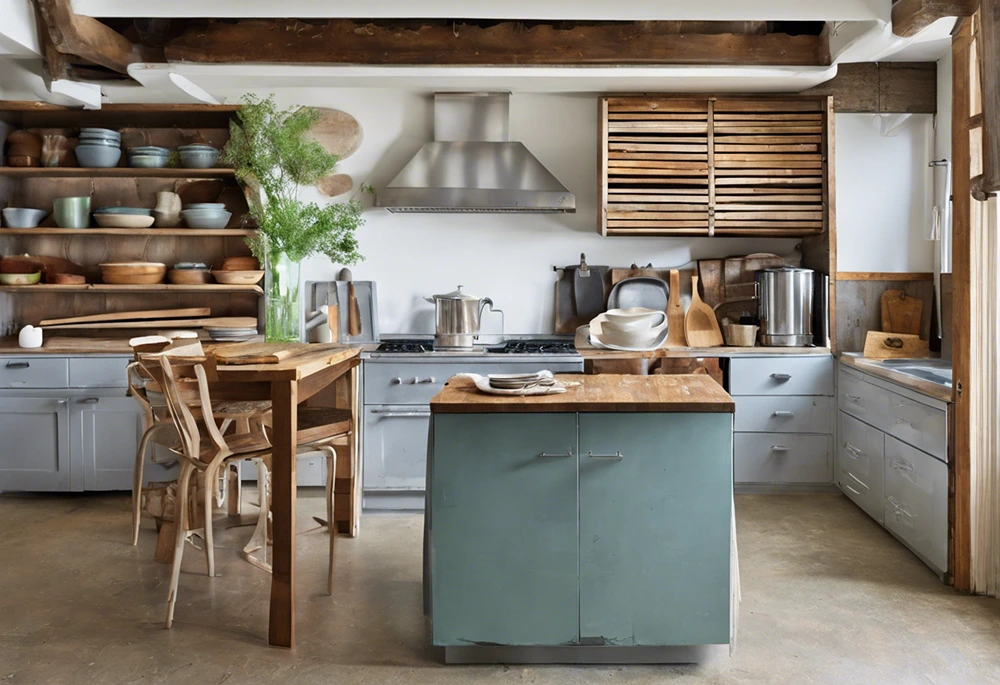
Reclaimed wood has become a popular choice for kitchen cabinets. This wood, salvaged from old buildings, barns, and other structures, brings a piece of history and a unique look to your kitchen. Each piece of reclaimed wood has its own story, with distinct textures and patterns.
Recycled Metal Hardware
Recycled metal, including aluminum and steel, is often used for kitchen hardware like cabinet handles and knobs. These materials are durable and can be recycled indefinitely without losing quality.
Latest Design Trends with Recycled Kitchen Materials
Minimalist Designs with Recycled Elements
The minimalist trend in kitchen design pairs well with recycled materials. Simple, clean lines are complemented by the unique character of recycled elements, creating a space that is both modern and environmentally conscious.
Rustic Kitchens with Reclaimed Wood
Rustic kitchen designs often feature reclaimed wood for cabinets, shelves, and even ceilings. This style embraces the natural imperfections and rich textures of the wood, creating a warm and inviting space.
Modern Kitchens with Recycled Glass and Metal
Modern kitchen designs are incorporating recycled glass countertops and recycled metal hardware for a sleek, contemporary look. These materials offer a modern aesthetic while maintaining an eco-friendly ethos.
Incorporating Recycled Materials in Your Kitchen
Choosing the Right Materials
Selecting the right recycled materials for your kitchen involves considering both aesthetics and functionality. It’s important to think about the overall design theme of your kitchen and how these materials will fit into that context.
Design Ideas and Inspiration
- Mix and Match: Combine different recycled materials for a unique look. For example, recycled glass countertops with reclaimed wood cabinets.
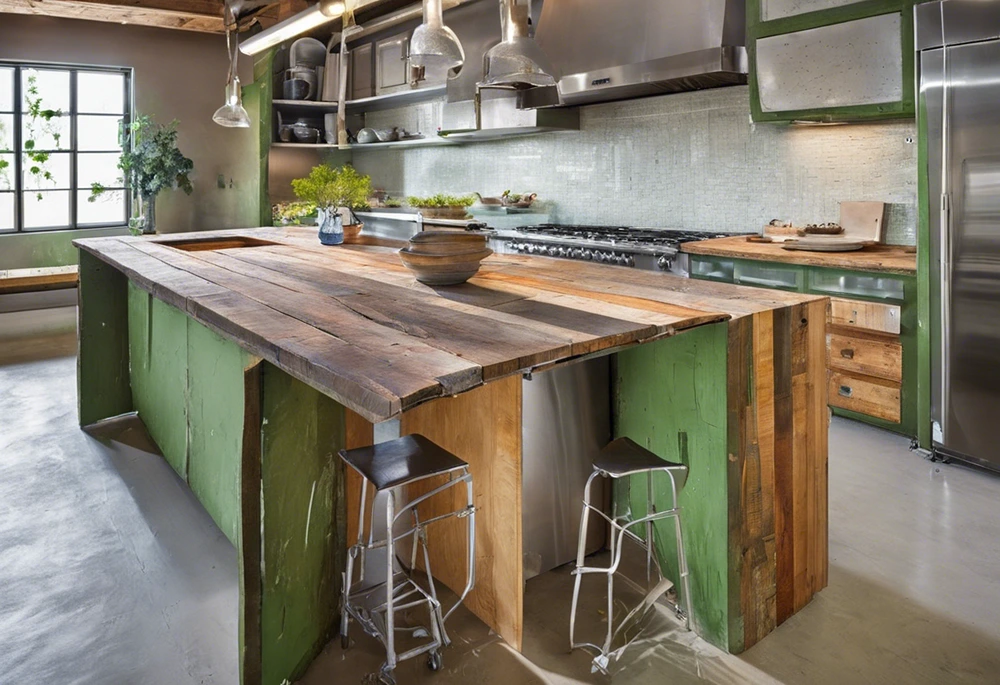
- Accent Pieces: Use recycled materials for accent pieces like a backsplash or an island countertop.
- Highlight the Material’s History: If using reclaimed wood, consider leaving some of the original markings visible to add character and tell a story.
Working with Designers and Contractors
When incorporating recycled materials into your kitchen design, it’s crucial to work with designers and contractors who are experienced in this area. They can provide valuable advice on material selection, sourcing, and installation.
Challenges in Using Recycled Materials
Availability and Sourcing
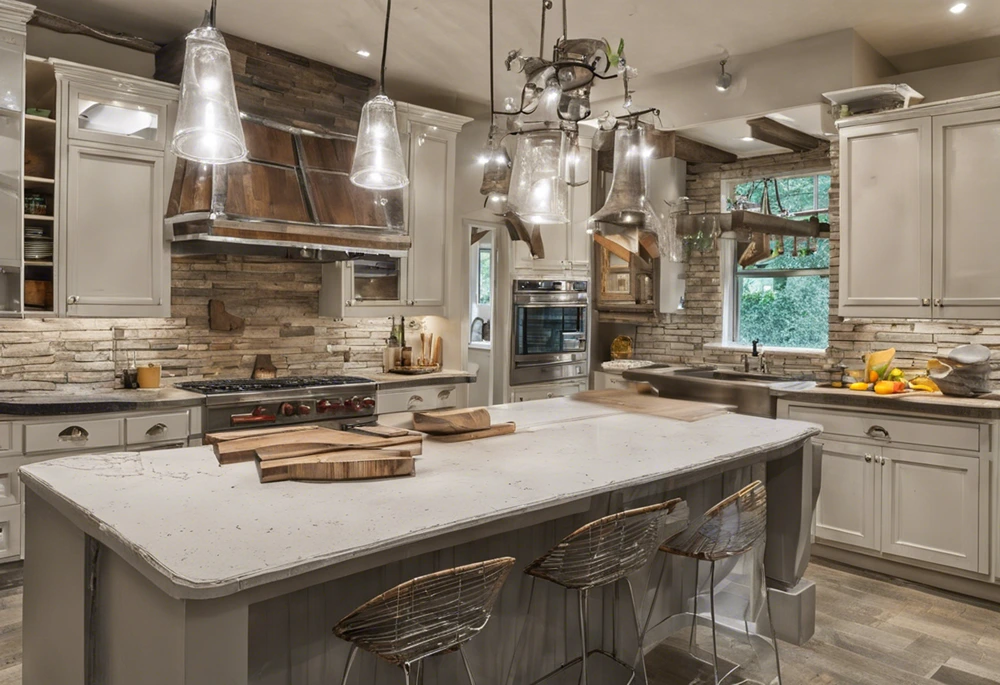
One of the main challenges in using recycled materials is their availability. Some materials, like reclaimed wood, can be in high demand and may not always be readily available.
Cost Considerations
While recycled materials can be cost-effective, in some cases, they may be more expensive than new materials due to the processing and labor involved in recycling.
Maintenance and Care
Recycled materials may require different maintenance and care than new materials. It’s important to understand these requirements to ensure the longevity of your recycled kitchen elements.
Real-Life Examples of Kitchens with Recycled Materials
Showcase of Different Kitchen Designs
To truly appreciate the versatility and beauty of recycled materials in kitchen design, let’s explore some real-life examples:
- A Modern Kitchen with Recycled Glass Countertops: This kitchen features stunning countertops made from recycled glass, providing a sleek and modern look while being environmentally friendly.
- A Rustic Farmhouse Kitchen with Reclaimed Wood Cabinets: In this kitchen, the cabinets are made from wood reclaimed from old barns, adding a warm, rustic charm to the space.
- An Industrial-Style Kitchen with Recycled Metal Accents: This kitchen uses recycled metal for cabinet handles and light fixtures, adding an industrial edge to the design.
- These examples demonstrate how recycled materials can be used in various kitchen styles, from modern to rustic to industrial.
Challenges in Using Recycled Materials
Availability and Sourcing
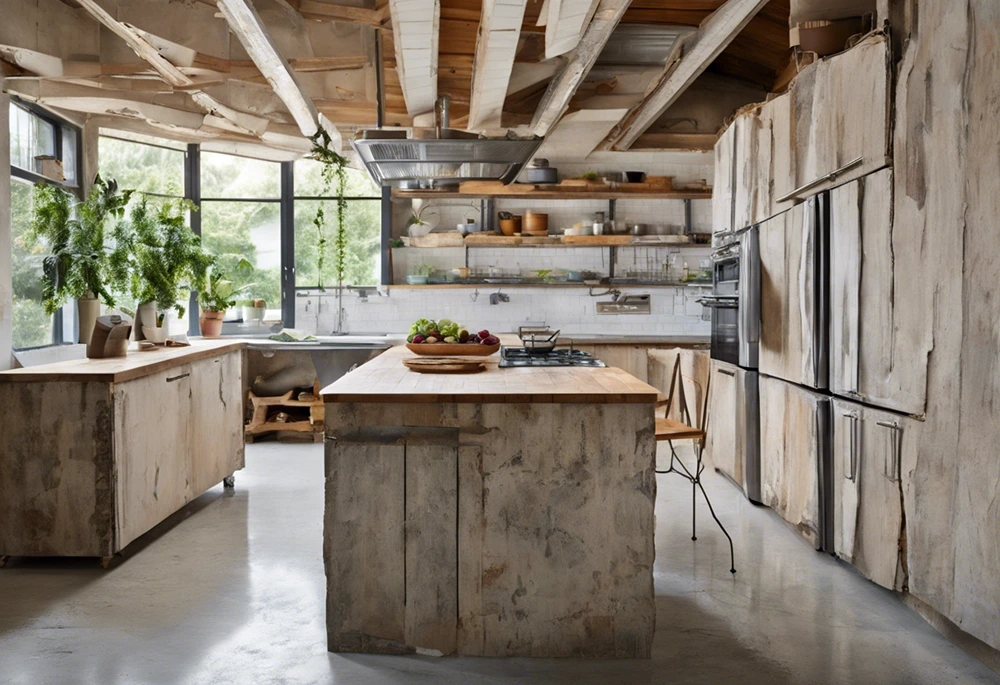
Finding the right recycled materials can sometimes be a challenge. The availability of specific materials like reclaimed wood or recycled glass varies depending on location and demand.
| Material Type | Availability |
| Reclaimed Wood | Moderate to High |
| Recycled Glass | High |
| Recycled Metal | High |
Cost Considerations
While recycled materials can be cost-effective, they may sometimes come with a higher price tag due to the processes involved in recycling and refurbishing.
| Material Type | Cost Comparison |
| Reclaimed Wood | Higher than standard |
| Recycled Glass | Comparable to standard |
| Recycled Metal | Comparable to standard |
Maintenance and Care
Recycled materials may require specific maintenance to retain their beauty and functionality.
| Material Type | Maintenance Level |
| Reclaimed Wood | Moderate |
| Recycled Glass | Low |
| Recycled Metal | Low |
Real-Life Examples of Kitchens with Recycled Materials
Showcase of Different Kitchen Designs
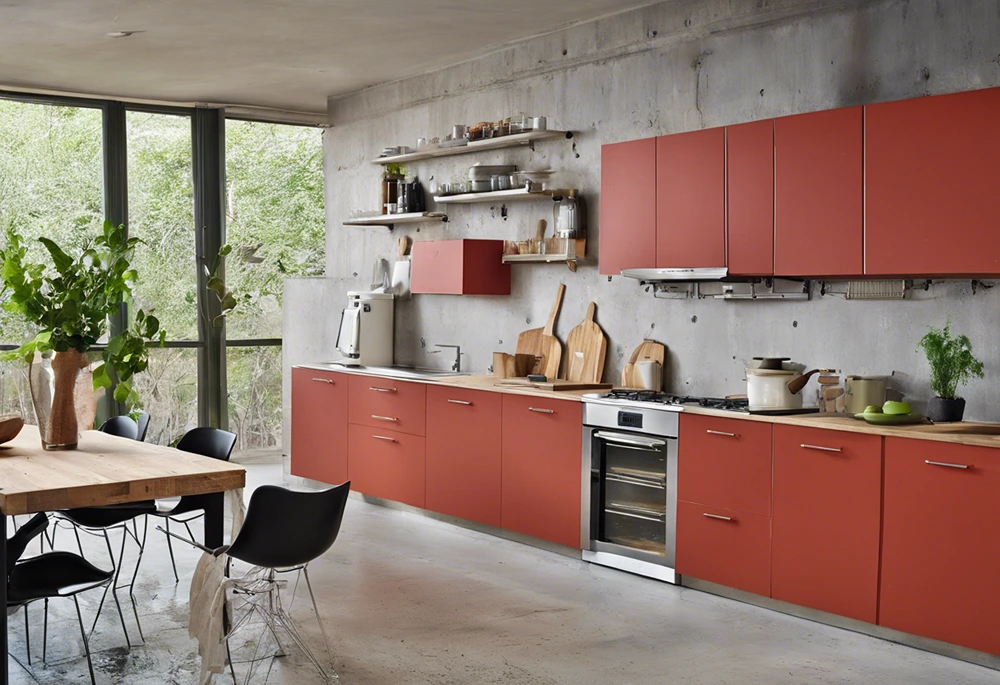
Exploring real-life examples provides a clearer picture of how recycled materials can be creatively used in kitchen design.
- A Chic Urban Kitchen with Recycled Metal Accents: This kitchen features recycled metal for cabinet handles and light fixtures, adding an urban, modern flair.
- A Coastal Retreat with Recycled Glass Countertops: The use of recycled glass countertops in this kitchen brings a touch of the ocean with its unique, sea-glass appearance.
- A Country Kitchen with Reclaimed Wood Features: This kitchen uses reclaimed wood for its central island and open shelving, creating a warm, rustic feel.
Frequently Asked Questions About Recycled Kitchen Materials
Yes, many recycled materials are equally or more durable than new materials. For instance, recycled glass countertops are known for their durability and resistance to heat.
Absolutely. Recycled materials like glass and metal used in kitchen surfaces are treated and sealed, making them safe for food preparation.
The care depends on the material. For example, reclaimed wood may require regular sealing, while recycled glass can be cleaned with standard glass cleaners.
Yes, mixing recycled and new materials can create a unique and personalized kitchen design. It’s all about finding the right balance that suits your style and needs.
Recycled materials can be sourced from specialty suppliers, local salvage yards, or through contractors who specialize in sustainable building materials.
Related Posts

Future Kitchen Technologies: Revolutionizing Home Cooking and Design
The kitchen, often considered the heart…


Tech-Advanced Kitchen Design: The Future of Culinary Spaces
The kitchen, traditionally the heart of…