

In the realm of modern home design, space-saving minimalist kitchens stand out as a testament to style, efficiency, and functionality. These kitchens are not just about reducing clutter but are smartly designed to maximize every inch of available space without sacrificing aesthetics. This approach to kitchen design is increasingly popular in urban homes where space is at a premium.
Key Takeaways:
- Minimalist kitchens focus on simplicity, functionality, and the use of space.
- Innovative design strategies like single-wall layouts and hidden kitchens are essential.
- Technology integration is key for enhancing functionality in minimalist kitchens.
Understanding the Minimalist Kitchen Design
The Essence of Minimalism in Kitchens
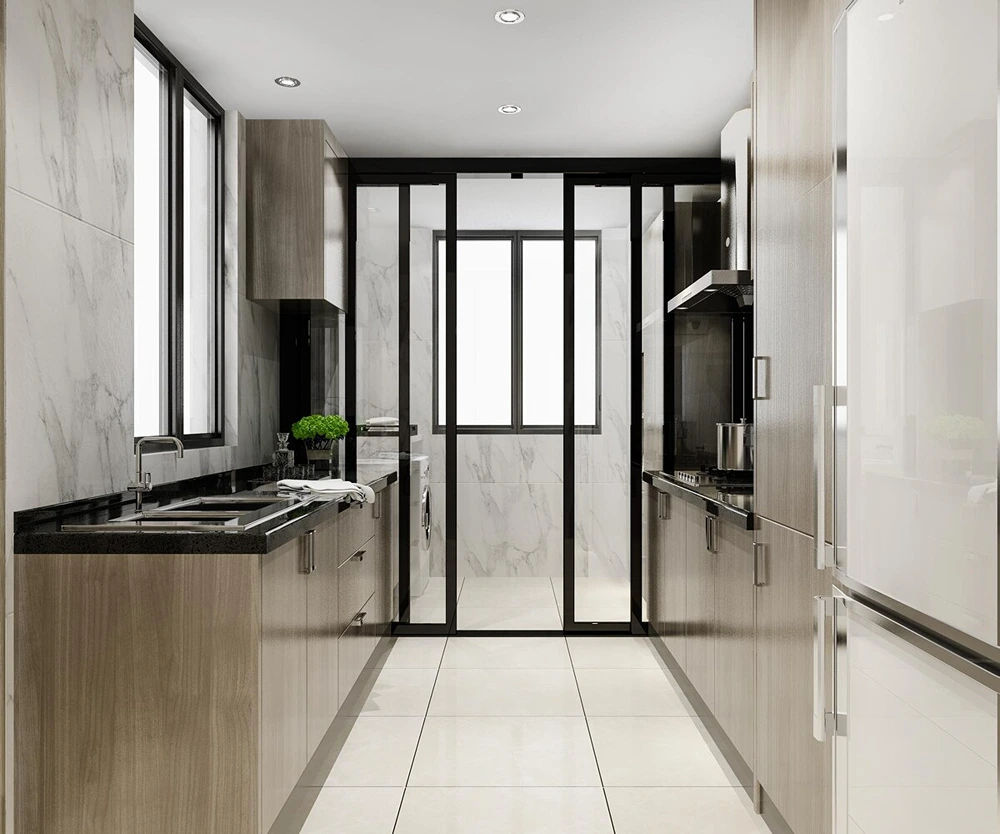
Minimalist kitchen design revolves around the idea of simplicity and functionality. For those interested in designing a kitchen with less, this approach emphasizes the importance of clean lines and uncluttered spaces. By focusing on essential elements, you can create a kitchen that is both aesthetically pleasing and highly efficient. It’s about stripping away the unnecessary while focusing on a clean, uncluttered look. This design philosophy not only makes the kitchen more aesthetically pleasing but also more efficient and easier to clean.
Importance in Modern Homes
In today’s fast-paced world, a minimalist kitchen serves as a peaceful retreat within the home. It’s a space where functionality meets design, creating an environment that’s both practical and visually appealing.
Key Characteristics of Space-Saving Minimalist Kitchens
Embracing Simplicity and Functionality
- Streamlined design: Focus on clean lines and a clutter-free environment.
- Efficient use of space: Every element serves a purpose, eliminating unnecessary clutter. This principle is central to functional minimalist kitchens, where the design is streamlined to enhance both form and function. By prioritizing efficiency, these kitchens provide a harmonious blend of style and practicality.
Color and Material Use
- Neutral color palettes: Whites, greys, and beiges dominate to create a sense of calm.
- Quality materials: Durable and easy-to-clean materials like stainless steel and stone.
The Role of Lighting
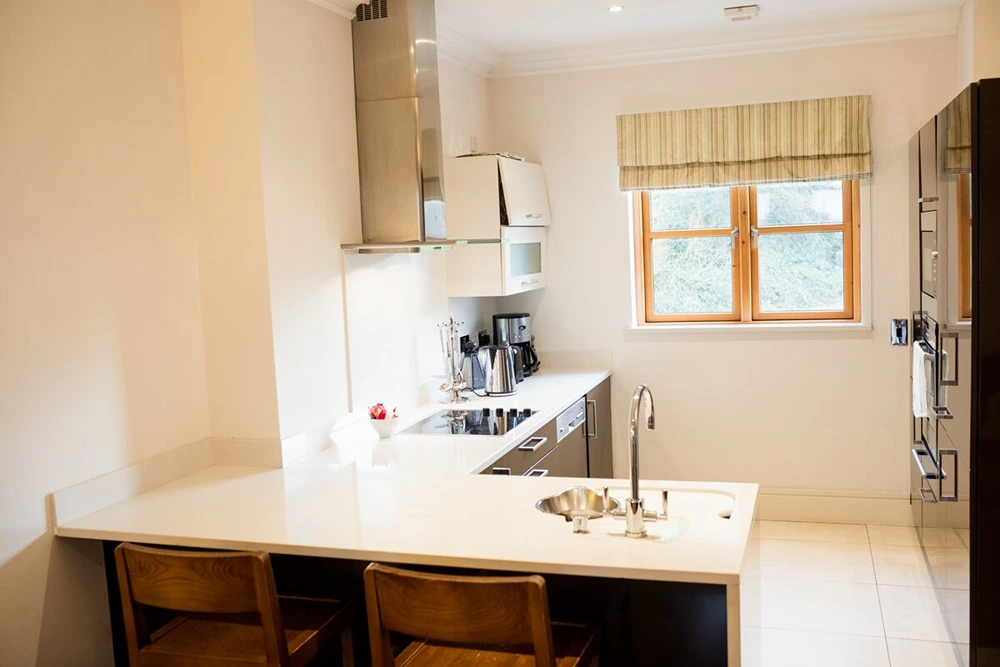
- Natural light: Maximizes the sense of space and openness.
- Strategic artificial lighting: Enhances functionality and ambiance.
Design Strategies for Small Kitchens
Single-Wall Layouts
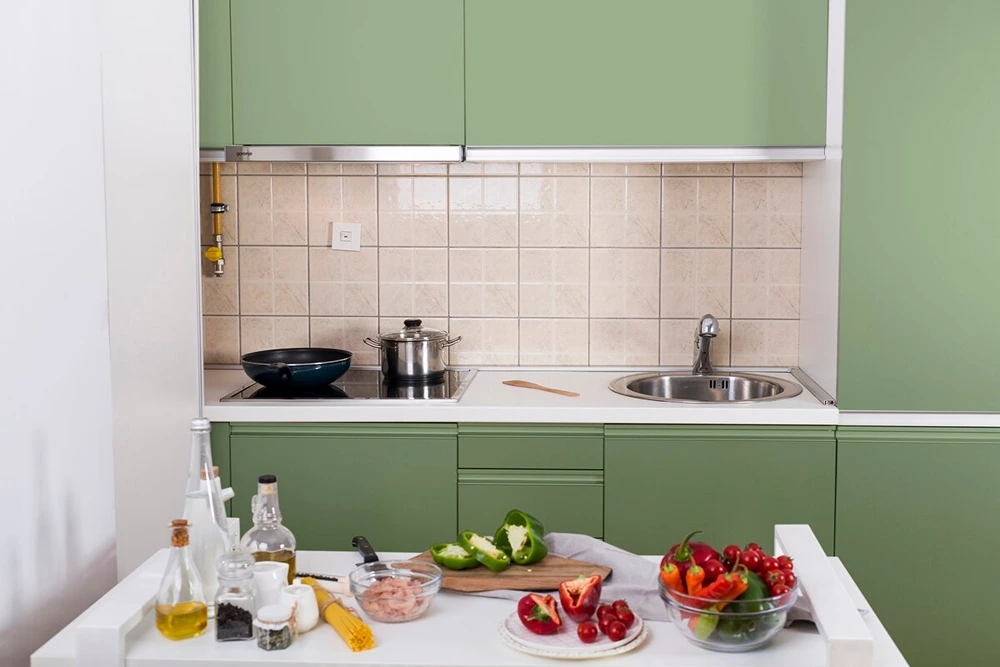
A single-wall layout is a hallmark of minimalist kitchen design, where all kitchen elements are arranged along one wall. This layout is not only space-efficient but also creates a seamless look.
Creative Storage Solutions
- Vertical storage: Utilize wall space with shelves and hanging racks.
- Built-in storage: Custom cabinetry that fits into the kitchen’s design.
Hidden and Fold-Away Kitchens
- Pop-up kitchens: Fold-away designs that can be concealed when not in use.
- Integrated appliances: Appliances that blend into the kitchen cabinetry.
Case Studies: Innovative Minimalist Kitchen Designs
Pocket House, UK
- Design: Compact kitchen with a skylight for natural lighting.
- Storage: Custom-made plywood cabinets with sliding doors.
LIFE Micro-Apartments, South Korea
- Aesthetics: Birch wood lined storage spaces.
- Functionality: Stainless steel sink and miniature hob.
Studio Apartment, France
- Unique feature: Curved wall with scalloped wood paneling.
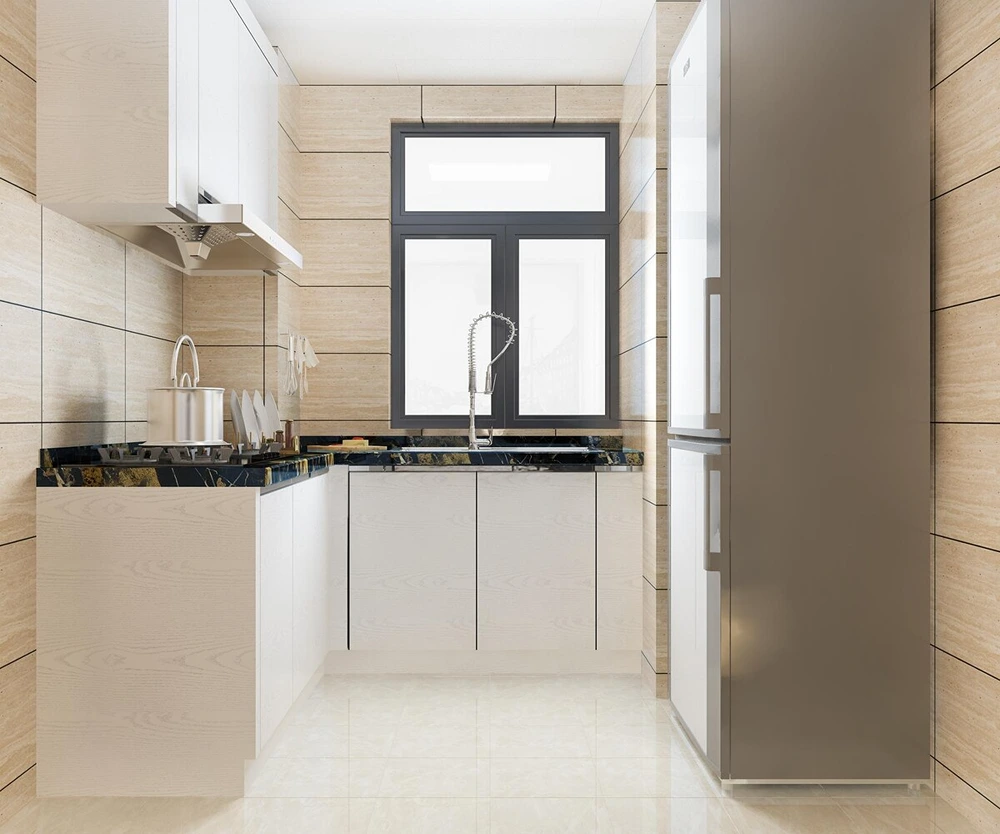
- Color use: Bright, springlike green cabinets.
Integrating Technology in Minimalist Kitchens
Smart Appliances and Space Efficiency
- Compact designs: Appliances that fit into small spaces without compromising functionality.
- Smart features: Appliances with features that enhance efficiency and ease of use.
Enhancing Functionality with Technology
- Integrated systems: Smart home systems that allow for remote control of kitchen appliances.
- Energy efficiency: Appliances that save energy and reduce utility bills.
Table 1: Comparison of Minimalist Kitchen Layouts
| Layout Type | Features | Ideal For |
| Single-Wall | Everything along one wall | Small apartments |
| L-Shaped | Counter space on two adjoining walls | Medium-sized kitchens |
| U-Shaped | Three walls of cabinets and appliances | Larger spaces |
Table 2: Top Materials Used in Minimalist Kitchens
| Material | Benefits | Aesthetic Appeal |
| Stainless Steel | Durable, easy to clean | Modern, sleek |
| Stone | Long-lasting, natural look | Elegant, timeless |
| Glass | Reflects light, space-enhancing | Contemporary, bright |
Choosing the Right Materials and Colors
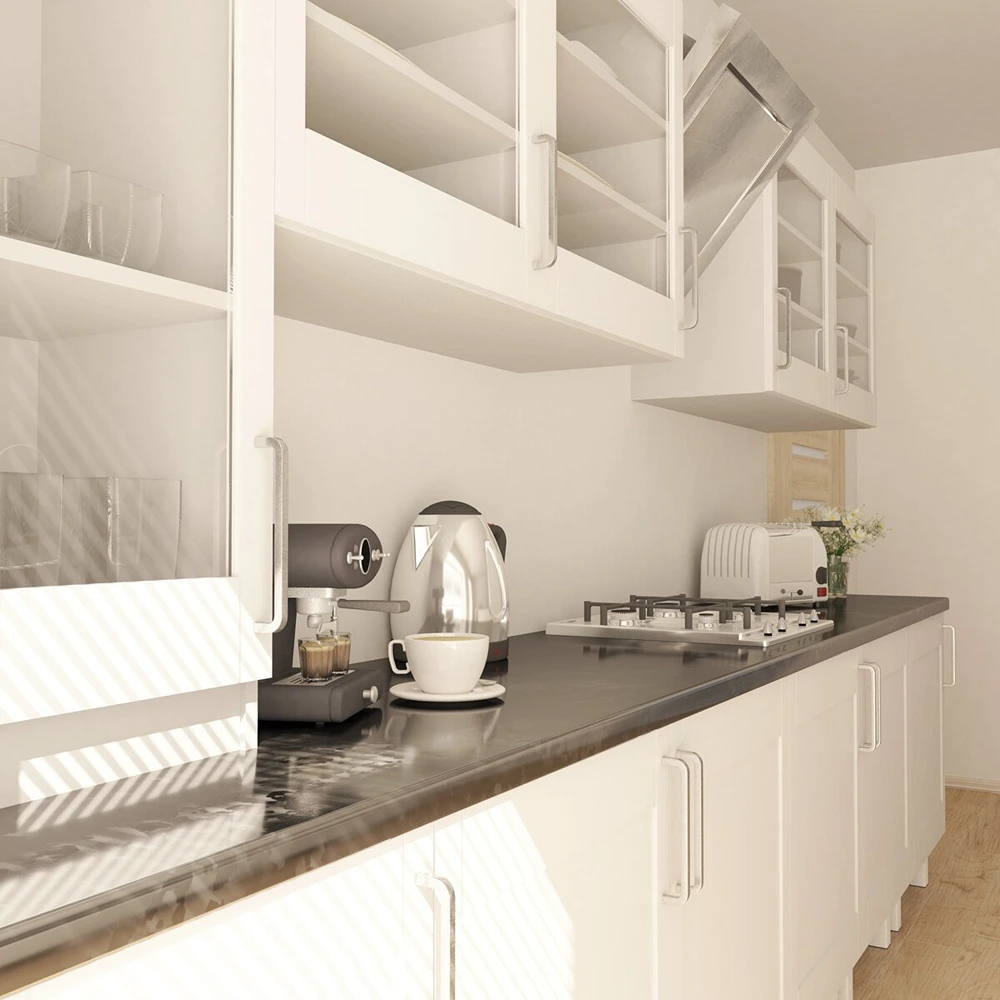
Selecting the right materials and colors is crucial in a minimalist kitchen. Opt for durable and easy-to-maintain materials that complement a neutral color palette. When selecting minimalist kitchen flooring, consider options like stone or high-quality tiles that offer both longevity and a sleek appearance. This ensures your kitchen remains stylish and functional for years to come. This approach ensures longevity and timeless appeal.
Maximizing Storage in Small Spaces
- Utilize every inch: Incorporate pull-out drawers and overhead cabinets.
- Opt for multi-functional furniture: Pieces that serve more than one purpose.
Selecting Space-Efficient Appliances
- Choose appliances that fit the scale of your kitchen.
- Look for multi-functional appliances that save space.
Maintaining Aesthetics and Functionality
Balancing Minimalism with Practicality
- Keep it simple but functional.
- Avoid overcrowding with unnecessary items.
Keeping the Kitchen Clutter-Free
- Regular decluttering: Keep only what you need.
- Smart storage solutions: Use organizers and hidden storage.
Global Inspirations for Minimalist Kitchens
Examples from Different Cultures
- Scandinavian simplicity: Focus on functionality and natural materials.
- Japanese Zen: Emphasis on clean lines and open spaces.
Adapting Global Ideas to Local Spaces
- Incorporate elements that reflect your personal style and local design trends.
- Blend international inspirations with practical needs.
Table 3: Global Minimalist Kitchen Design Influences
| Culture | Design Elements | Influence on Minimalism |
| Scandinavian | Natural woods, light colors | Emphasis on functionality and simplicity |
| Japanese | Clean lines, open spaces | Zen-like calm and order |
| Italian | Sleek lines, high-end materials | Luxurious minimalism |
Table 4: Essential Tips for Minimalist Kitchen Maintenance
| Tip | Description | Benefit |
| Declutter Regularly | Remove unused items | Keeps the space open and tidy |
| Smart Storage | Use organizers and hidden compartments | Maximizes space and reduces clutter |
| Regular Cleaning | Maintain surfaces and appliances | Preserves aesthetics and hygiene |
Frequently Asked Questions
- Simplicity: Clean lines, uncluttered spaces, and a neutral color palette.
- Functionality: Efficient use of space with smart storage solutions.
- Use light colors: They make the space feel open and airy.
- Maximize natural light: Allows the kitchen to feel more spacious.
- Overcrowding: Adding too many elements can clutter the space.
- Ignoring storage needs: Not planning enough storage can lead to disorganization.
Table 5: Common Mistakes in Minimalist Kitchen Design
| Mistake | Consequence | Solution |
| Overcrowding | Cluttered space | Stick to essentials |
| Poor lighting | Dim, uninviting space | Use layers of light |
| Neglecting storage | Disorganization | Plan adequate storage |
Related Posts

Future Kitchen Technologies: Revolutionizing Home Cooking and Design
The kitchen, often considered the heart…


Tech-Advanced Kitchen Design: The Future of Culinary Spaces
The kitchen, traditionally the heart of…