

In the realm of interior design, the concept of a sustainable kitchen has evolved from a niche trend to a mainstream necessity. As we become more conscious of our environmental impact, the kitchen, being the heart of the home, has become a focal point for sustainable practices. This article delves into the various aspects of sustainable kitchen decor, offering insights into how you can make your kitchen not only stylish but also environmentally friendly.
Key Takeaways:
- Eco-Friendly Materials: Learn about the best sustainable materials for your kitchen.
- Energy Efficiency: Tips on choosing energy-efficient appliances and lighting.
- Water Conservation: Innovative ways to reduce water usage in the kitchen.
- Waste Reduction: Strategies for minimizing waste through composting and recycling.
- Sustainable Design Trends: Discover the latest trends in eco-friendly kitchen design.
Defining Sustainable Kitchen Decor
Sustainable kitchen decor encompasses the use of materials, designs, and practices that minimize environmental impact. It involves choosing products and designs that are not only aesthetically pleasing but also environmentally responsible and energy-efficient.
Importance in Modern Design Trends
The shift towards sustainability in kitchen design reflects a broader trend in society towards environmental responsibility. A sustainable kitchen is not just a trend; it’s a commitment to reducing our carbon footprint and preserving our planet for future generations.
Eco-Friendly Materials and Their Role
Reclaimed Wood
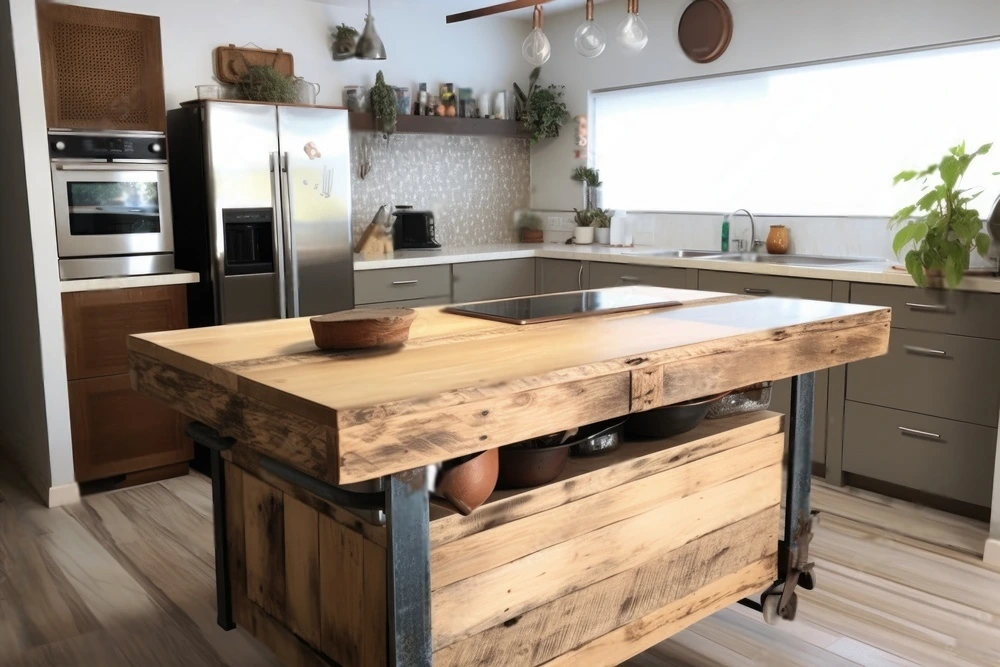
Reclaimed wood is not only stylish but also a great way to reduce deforestation. Using reclaimed wood for cabinets, flooring, or countertops adds character and history to your kitchen.
Bamboo Products
Bamboo is a highly renewable resource that grows quickly and doesn’t require replanting. It’s a versatile material that can be used for flooring, cutting boards, and even fabric for kitchen towels.
Recycled Glass and Metals
Using recycled glass for countertops or backsplashes and recycled metals for fixtures and hardware can significantly reduce your kitchen’s environmental impact.

Energy Efficiency in Kitchen Appliances
Choosing appliances with high energy efficiency ratings can significantly reduce your kitchen’s energy consumption. Look for the Energy Star label when selecting refrigerators, dishwashers, and ovens.
Sustainable Lighting Options
LED lighting is a great choice for energy-efficient kitchen lighting. It uses less electricity and lasts longer than traditional incandescent bulbs.
Water Conservation Techniques
Low-Flow Faucets
Installing low-flow faucets can reduce water usage without sacrificing water pressure. These faucets use aerators to limit the flow of water while maintaining functionality.
Water Recycling Systems
Consider installing a greywater system to reuse water from your sink for watering plants or flushing toilets, further reducing your water footprint.

Waste Reduction Strategies
Composting Solutions
Setting up a compost bin in your kitchen can turn food scraps into valuable compost for your garden, reducing landfill waste.
Recycling Bins Integration
Integrating recycling bins into your kitchen design makes it easier to separate and manage waste, encouraging recycling habits.
Sustainable Flooring and Countertops
Cork Flooring
Cork is a sustainable choice for flooring as it is harvested from the bark of cork oak trees without harming the tree. It’s also naturally antimicrobial and provides a comfortable walking surface.
Recycled Glass Countertops
Countertops made from recycled glass are durable, beautiful, and eco-friendly. They can be made from a variety of glass sources, including beer bottles and windshields.
Design Trends in Sustainable Kitchen Decor
Minimalist and Functional Design
A minimalist approach not only looks clean and modern but also reduces the amount of materials used. Functional design focuses on efficiency and simplicity, reducing unnecessary waste.
Incorporating Natural Elements
Bringing natural elements into your kitchen, such as plants or a herb garden, can improve air quality and add a touch of nature to your space.
Color Trends in Sustainable Kitchens
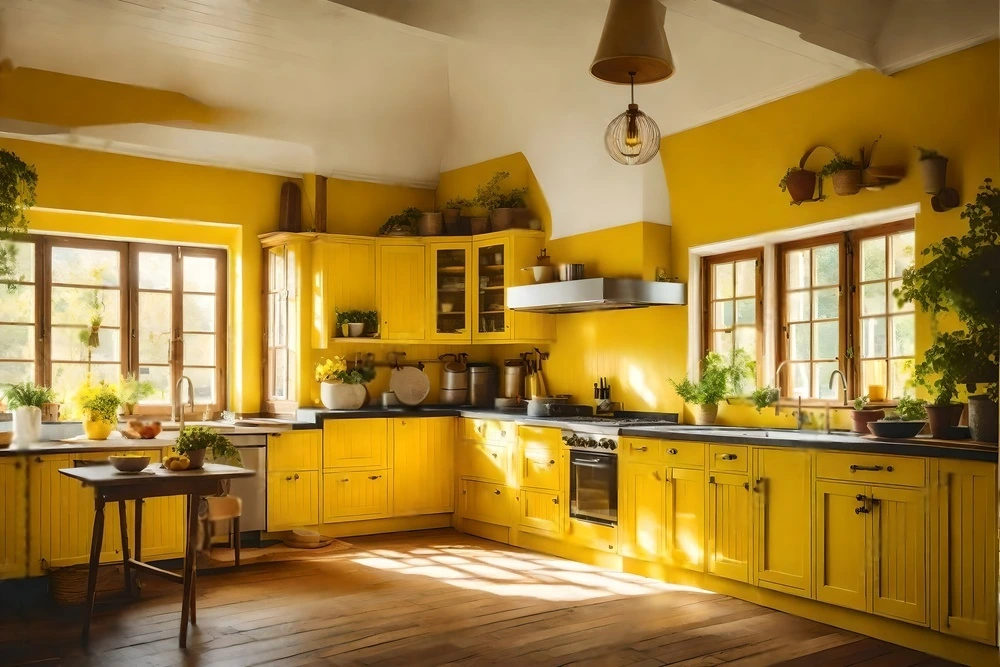
Earthy tones and organic color palettes are popular in sustainable kitchen designs. They create a warm and inviting space while reflecting the natural world.
Vintage and Antique Decor
Incorporating vintage or antique pieces into your kitchen decor is a form of upcycling. It gives old items a new life and reduces the need for new materials.
Open Shelving and Freestanding Units
Open shelving and freestanding units reduce the amount of materials used and offer flexibility in kitchen design. They also encourage a decluttered, minimalist aesthetic.
Practical Tips for Implementing Sustainable Decor

DIY Sustainable Decor Ideas
Creating your own kitchen decor from recycled or repurposed materials can be a fun and rewarding way to personalize your space while being eco-friendly.
Choosing Eco-Friendly Kitchenware
Opt for kitchenware made from sustainable materials like bamboo, stainless steel, or recycled glass. Avoid single-use plastics and choose products that are built to last.
Maintaining a Sustainable Kitchen
Regular maintenance of appliances and fixtures can extend their lifespan and efficiency. Use natural cleaning products to reduce the amount of harmful chemicals in your home.
Latest Trends in Sustainable Kitchen Design
Innovative Storage Solutions
- Maximizing Space: Utilizing every inch of space efficiently with custom storage solutions.
- Recycled Materials: Using recycled or reclaimed materials for shelves and cabinets.
Eco-Friendly Paints and Finishes
- Low VOC Paints: Choosing paints with low volatile organic compounds for healthier indoor air quality.
- Natural Oil Finishes: Opting for natural oil finishes on wood surfaces for a sustainable choice.
Smart Kitchen Technologies
- Energy-Saving Gadgets: Incorporating smart devices that help save energy and reduce waste.
- Sustainable Appliances: Selecting appliances that are energy-efficient and have a lower environmental impact.
Practical Tips for a Greener Kitchen

Mindful Purchasing
- Quality Over Quantity: Investing in high-quality items that last longer, reducing the need for frequent replacements.
- Sustainable Brands: Supporting brands that are committed to sustainability and ethical practices.
Eco-Friendly Cleaning Practices
- Natural Cleaning Products: Using eco-friendly cleaning products to reduce chemical usage.
- Reusable Cleaning Tools: Opting for reusable cloths and sponges instead of disposable ones.
Energy-Efficient Appliances
- Energy Star Rated Appliances: Choosing appliances with high energy efficiency ratings can significantly reduce your kitchen’s energy consumption.
- Benefits of Energy-Efficient Appliances: These appliances not only save energy but also reduce utility bills and have a lesser environmental impact.
| Appliance Type | Energy Saving | Benefit |
| Refrigerators | Up to 40% more efficient than standard models | Lower electricity bills, reduced carbon footprint |
| Dishwashers | Use 50% less water and energy | Saves water and energy, cost-effective in the long run |
| Ovens | Convection ovens use 20% less energy | Efficient cooking, reduces cooking time |
Frequently Asked Questions
The most sustainable materials include bamboo, reclaimed wood, recycled glass, and metals. These materials are eco-friendly and add a unique aesthetic to your kitchen.
To make your kitchen more energy-efficient, invest in Energy Star rated appliances, use LED lighting, and practice energy-saving cooking methods like using pressure cookers or steamers.
Yes, there are affordable options like using recycled materials, repainting cabinets instead of replacing them, and buying energy-efficient appliances during sales or with rebates.
Absolutely! Sustainable kitchens can be both stylish and modern. Using natural materials, incorporating green technology, and following current design trends can create a beautiful and eco-friendly kitchen.
Some easy changes include switching to LED lighting, using eco-friendly cleaning products, installing low-flow faucets, and starting a compost bin for organic waste.
Related Posts

Future Kitchen Technologies: Revolutionizing Home Cooking and Design
The kitchen, often considered the heart…


Tech-Advanced Kitchen Design: The Future of Culinary Spaces
The kitchen, traditionally the heart of…