

In the realm of home design, sustainable kitchen planning stands out as a significant trend. This approach not only contributes to environmental conservation but also enhances the functionality and aesthetic appeal of one of the most used spaces in a home. Here, we delve into the essentials of creating a sustainable kitchen, focusing on key principles, material choices, and design strategies that align with eco-friendly practices.
Key Takeaways:
- Emphasize energy efficiency and sustainable materials in kitchen design.
- Incorporate longevity and flexibility to ensure the kitchen remains functional and stylish over time.
- Utilize green technologies and smart home integrations for enhanced energy management.
Understanding the Core of Sustainable Kitchen Design
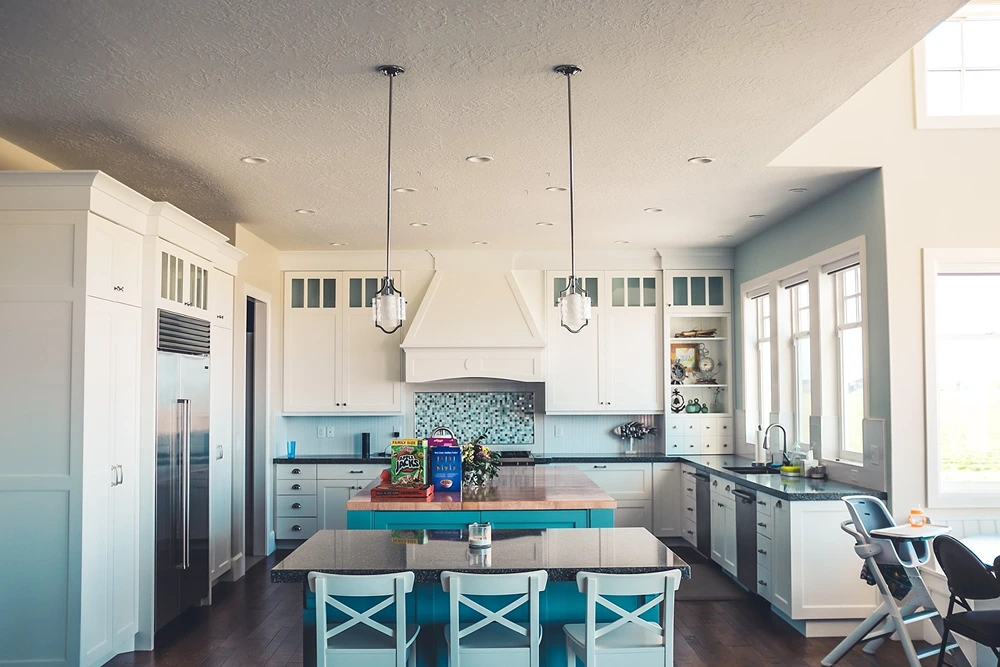
The Principles of Eco-Friendly Kitchen Planning
Sustainable kitchen design revolves around several core principles:
- Energy Efficiency. One of the cornerstones of sustainable kitchen planning is the focus on energy-efficient kitchen designs. By opting for appliances and fixtures that conserve energy, such as those with the Energy Star label, you can significantly reduce your kitchen’s energy consumption. This not only lowers utility bills but also reduces your carbon footprint, making your kitchen both eco-friendly and cost-effective.: Opt for appliances and fixtures that conserve energy. Look for the Energy Star label as a reliable indicator of energy-efficient products.
- Use of Sustainable Materials. In sustainable kitchen planning, the choice of materials plays a crucial role. Opting for green design materials such as renewable, recycled, or low environmental impact options can make a significant difference. These materials not only help in reducing the ecological footprint but also ensure that your kitchen is built to last, combining durability with eco-consciousness.: Choose materials that are renewable, recycled, or have a low environmental impact.
- Waste Reduction: Implement strategies to minimize waste during the design and use of the kitchen.
Selecting Sustainable Materials and Products
Eco-Friendly Cabinetry. When planning your kitchen, considering sustainable kitchen cabinets is essential. These cabinets not only use eco-friendly materials but also follow manufacturing processes that minimize environmental impact. By choosing cabinets made from sustainable woods like bamboo or reclaimed wood, you contribute to a healthier planet while enjoying durable and stylish storage solutions.
- Material: Opt for cabinets made from sustainable woods like bamboo or reclaimed wood.
- Manufacturing: Choose manufacturers that follow eco-friendly practices.
Sustainable Countertops
- Options: Consider materials like recycled glass, quartz, or sustainably harvested wood.
- Durability: Select countertops that are long-lasting and require less frequent replacement.
Energy-Efficient Appliances
- Refrigerators: Look for models with high energy efficiency ratings.
- Dishwashers: Choose dishwashers that use less water and energy.
- Cooking Appliances: Induction cooktops and convection ovens are energy-efficient choices.
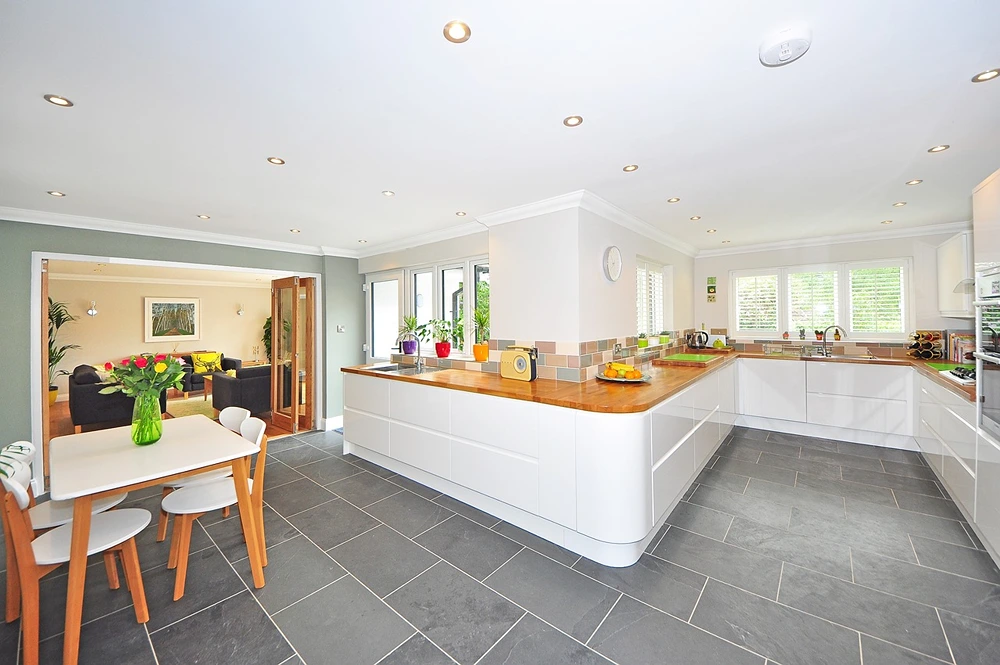
Designing for Longevity and Flexibility
Durability in Design
- Quality Over Quantity: Invest in high-quality materials that withstand the test of time.
- Maintenance: Choose finishes and materials that are easy to clean and maintain.
Adaptable Design Features
- Modular Elements: Incorporate elements that can be easily modified or upgraded.
- Timeless Aesthetics: Opt for a design that remains stylish and functional over the years.
Incorporating Green Technologies
Smart Home Integrations
- Energy Management: Use smart systems for efficient energy use.
- Automated Systems: Consider automated lighting and appliance controls.
Water-Saving Fixtures
- Faucets: Install low-flow faucets to reduce water usage.
- Appliances: Choose dishwashers and washing machines with water-saving features.
Practical Implementation of Sustainable Kitchen Practices
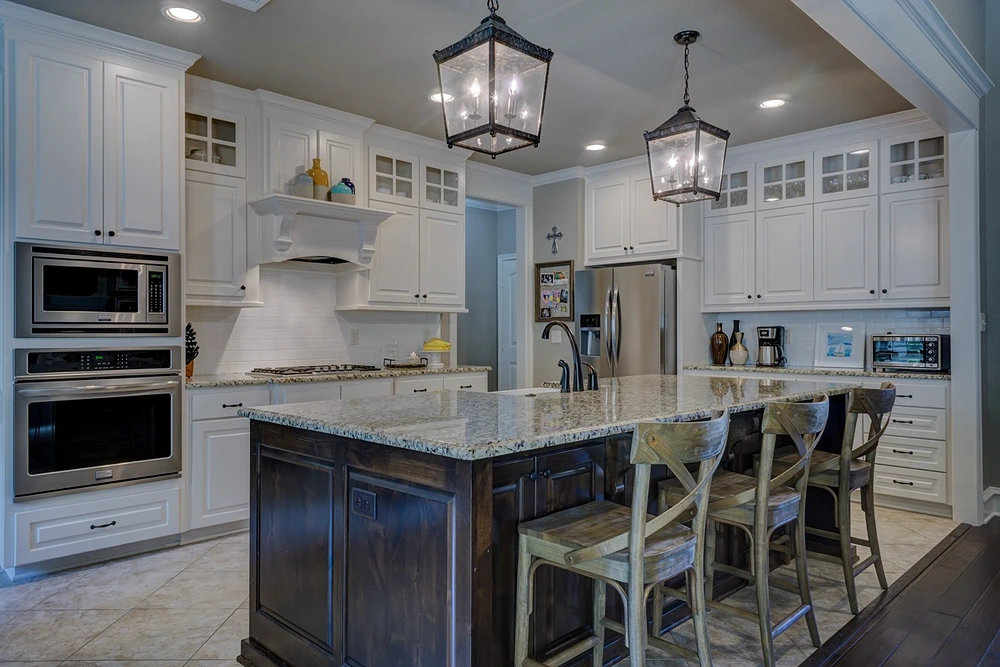
Tips for Sustainable Kitchen Use
Energy-Saving Habits
- Cooking: Use energy-efficient cooking methods and appliances.
- Cleaning: Opt for eco-friendly cleaning products and practices.
Effective Waste Management
- Recycling: Implement a robust recycling system.
- Composting: Consider an in-kitchen composting solution.
Sustainable Food Storage
- Containers: Use reusable containers for food storage.
- Preservation: Employ methods that extend the shelf life of food.
Renovation and Retrofitting for Sustainability
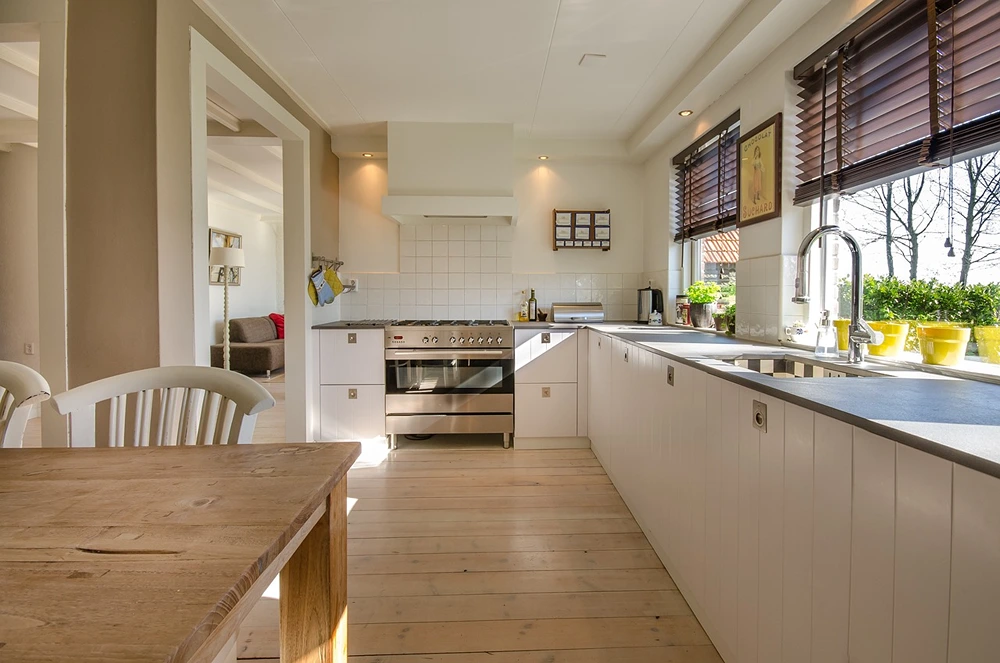
Upgrading Existing Kitchens
- Appliance Replacement: Replace old appliances with energy-efficient models.
- Material Reuse: Repurpose existing materials where possible.
Cost-Effective Renovation Ideas
- DIY Projects: Undertake simple DIY upgrades for sustainability.
- Local Sourcing: Source materials and labor locally to reduce carbon footprint.
Environmental Impact Assessment
- Carbon Footprint: Evaluate the carbon footprint of renovation materials and practices.
- Eco-Friendly Products: Choose products with minimal environmental impact.
Sustainable Kitchen Design Case Studies
Real-World Examples
- Innovative Designs: Study kitchens that have successfully implemented sustainable practices.
- Lessons Learned: Learn from the challenges and successes of these projects.
Innovations in Sustainable Design
- New Materials: Explore the use of innovative, eco-friendly materials.
- Unique Solutions: Discover unique design solutions that enhance sustainability.
Future Trends in Sustainable Kitchen Design
Emerging Materials and Technologies
- Cutting-Edge Innovations: Stay informed about new materials and technologies that promote sustainability.
- Sustainable Practices: Anticipate future trends in eco-friendly kitchen design.
The Role of Sustainability in Future Kitchens
- Design Evolution: Understand how sustainability will shape the future of kitchen design.
- Global Impact: Recognize the global implications of sustainable kitchen planning.
Table: Water-Saving Kitchen Fixtures
| Fixture Type | Water Savings | Benefits |
| Low-Flow Faucets | Up to 30% less water usage | Reduces water bill, eco-friendly |
| Efficient Dishwashers | Uses 4.25 gallons or less per cycle | Energy and water savings |
| Water-Efficient Pre-Rinse Spray Valves | 1.28 gallons per minute or less | Ideal for commercial kitchens, reduces water waste |
Future Trends in Sustainable Kitchen Design
The future of kitchen design is leaning heavily towards sustainability. Emerging materials and technologies are paving the way for more eco-conscious choices.
Emerging Materials and Technologies
- Biodegradable Materials: New, innovative materials that reduce environmental impact.
- Smart Appliances: Appliances that optimize energy and water use through advanced technology.
The Role of Sustainability in Future Kitchens
- Design Evolution: Kitchens will continue to evolve with a focus on sustainability.
- Global Impact: Sustainable kitchens contribute to global environmental conservation efforts.
Frequently Asked Questions (FAQs)
Recycled glass, bamboo, and sustainably sourced wood are excellent choices for eco-friendly countertops.
Upgrade to energy-efficient appliances, install low-flow faucets, and use eco-friendly cleaning products.
While some eco-friendly materials can be more costly upfront, they often lead to long-term savings in energy and maintenance costs.
Absolutely! Sustainable kitchens come in various designs and styles, combining aesthetics with eco-friendliness.
Smart home technologies can optimize energy and water usage, making kitchens more efficient and sustainable.
Related Posts

Future Kitchen Technologies: Revolutionizing Home Cooking and Design
The kitchen, often considered the heart…


Tech-Advanced Kitchen Design: The Future of Culinary Spaces
The kitchen, traditionally the heart of…