

In the realm of home design, the kitchen stands as a pivotal space, a place where functionality meets aesthetics. As environmental concerns increasingly influence consumer choices, the concept of sustainable kitchen technology has emerged as a crucial trend. This article delves into the various aspects of eco-friendly kitchen design, highlighting the importance of energy-efficient appliances, sustainable materials, and innovative technologies that are shaping the future of kitchen spaces.
Key Takeaways:
- Sustainable kitchen technology emphasizes energy efficiency, waste reduction, and the use of eco-friendly materials.
- Innovations in smart kitchen technologies and green building materials are driving the trend towards more sustainable kitchens.
- Practical implementation involves choosing energy-efficient appliances, adopting sustainable cooking practices, and focusing on recycling and waste reduction.
The Rise of Sustainable Kitchen Technology
The movement towards sustainable living has significantly impacted kitchen design. Modern kitchens are no longer just about aesthetics; they are about integrating technology that aligns with eco-friendly values. This shift is driven by a growing awareness of environmental issues and a desire to reduce carbon footprints.

Understanding the Importance of Eco-Friendly Kitchen Designs
Eco-friendly kitchen designs are crucial for several reasons:
- Environmental Impact: Reducing energy consumption and waste production.
- Health Benefits: Using non-toxic, sustainable materials contributes to better indoor air quality.
- Cost-Effectiveness: Energy-efficient appliances and sustainable practices can lead to long-term financial savings.
Overview of Current Trends in Sustainable Kitchen Technology
The current trends in sustainable kitchen technology are diverse and innovative. They include:
- Energy-Efficient Appliances: Products like Energy Star rated appliances are becoming staples in modern kitchens.
- Sustainable Materials: The use of recycled, renewable, or sustainably sourced materials for countertops, cabinets, and flooring.
- Smart Technology: Integration of smart devices for better energy management.
Core Concepts of Sustainable Kitchen Design
Sustainable kitchen design revolves around three core concepts: energy efficiency, material sustainability, and waste reduction.
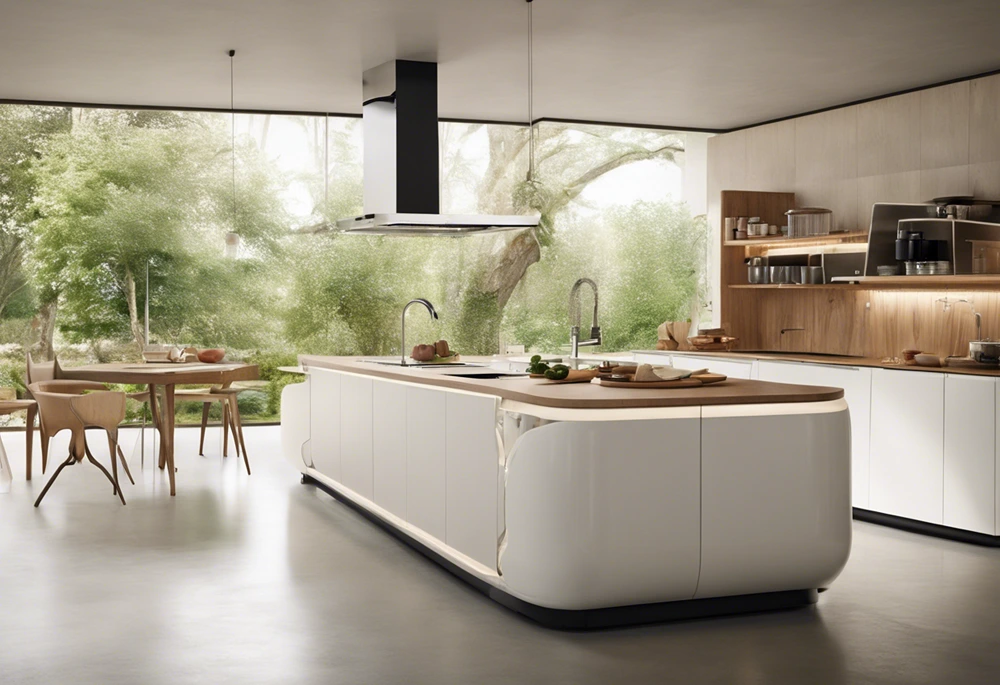
Key Elements of Sustainable Kitchen Technology
Energy-Efficient Appliances
Energy-efficient appliances are at the heart of sustainable kitchens. These appliances, such as refrigerators, dishwashers, and ovens, are designed to use less energy while maintaining high performance. For example, Energy Star-rated appliances are certified for their energy efficiency, offering significant savings on utility bills.
Sustainable Materials
The choice of materials plays a critical role in sustainable kitchen design. Options include:
- Recycled Materials: Using recycled glass, metal, or plastic for countertops and backsplashes.
- Sustainable Wood: Choosing FSC-certified or reclaimed wood for cabinetry.
- Natural Stone: Opting for durable and long-lasting materials like granite or marble.
Waste Reduction Techniques
Waste reduction is another pillar of sustainable kitchen design. This involves:
- Composting: Implementing built-in compost systems for organic waste.
- Recycling Stations: Designing spaces for efficient sorting and recycling of materials.
- Energy and Water Conservation: Using appliances and fixtures that minimize water and energy usage.
Innovative Design Trends for Eco-Friendly Kitchens
The latest trends in sustainable kitchen design focus on combining functionality with environmental responsibility.
Smart Kitchen Technologies
Smart kitchens are becoming increasingly popular, with technologies that offer:
- IoT Integration: Connecting appliances and systems for optimized energy use.
- Automated Systems: Features like sensor-activated lights and energy-saving modes.
- Remote Monitoring: Allowing homeowners to control appliances remotely, reducing unnecessary energy consumption.
Green Building Materials
The use of green building materials is a key trend in sustainable kitchens. These materials are chosen for their low environmental impact and include:
- Bamboo: A fast-growing, renewable resource for flooring and cabinetry.
- Low-VOC Paints: Reducing indoor air pollution and improving air quality.
- Recycled Glass Tiles: Offering a sustainable and stylish option for backsplashes.
Low-Impact Kitchen Layouts
Designing a kitchen with a low environmental impact involves:
- Maximizing Natural Light: Reducing the need for artificial lighting.
- Efficient Space Planning: Creating layouts that reduce energy and water usage.
- Outdoor Integration: Incorporating elements like herb gardens and natural ventilation.
The Role of Technology in Sustainable Kitchens
Technology plays a crucial role in advancing the sustainability of kitchen designs.
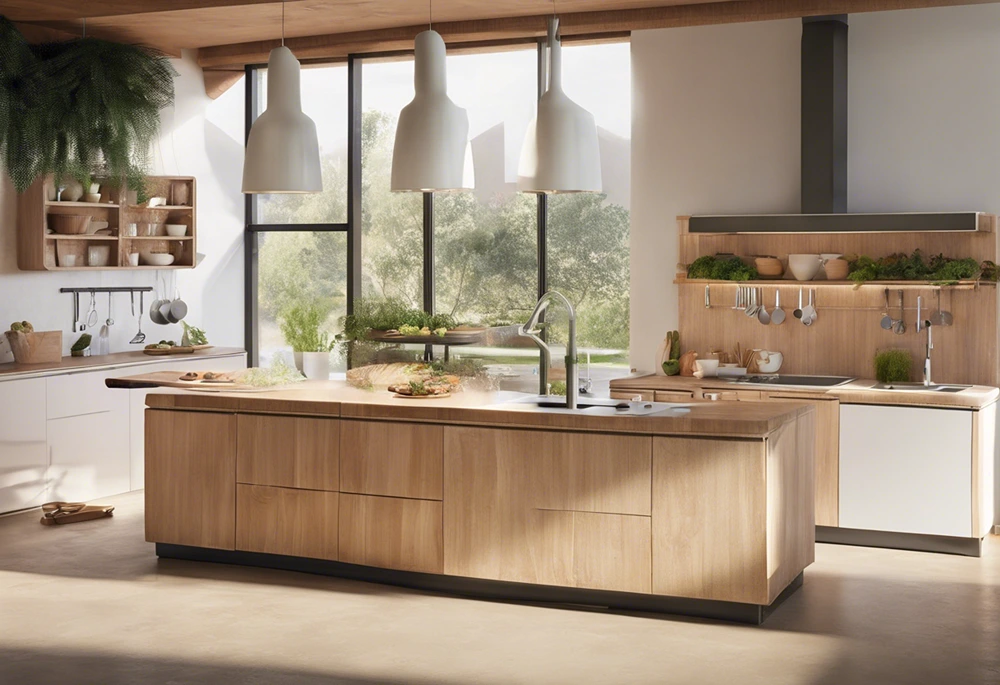
Smart Appliances and IoT Integration
Smart appliances and IoT (Internet of Things) integration are at the forefront of sustainable kitchen technology. These innovations allow for:
- Energy Monitoring: Tracking energy usage to identify areas for improvement.
- Automated Efficiency: Appliances that adjust settings based on usage patterns to conserve energy.
- Connectivity: Enabling appliances to communicate with each other for optimal performance.
Energy Management Systems
Energy management systems are becoming increasingly sophisticated, offering:
- Real-Time Monitoring: Allowing homeowners to track and manage energy consumption.
- Customizable Settings: Tailoring appliance performance to specific needs and preferences.
- Integration with Renewable Energy Sources: Such as solar panels, to further reduce environmental impact.
Water-Saving Technologies
Water conservation is a key aspect of sustainable kitchen design. Technologies include:
- Low-Flow Faucets: Reducing water usage without compromising performance.
- Efficient Dishwashers: Using less water and energy for cleaning.
- Water Recycling Systems: Reusing greywater for non-potable purposes.
Implementing Sustainable Practices
Adopting sustainable practices in the kitchen is not just about technology; it’s also about behavior and choices.
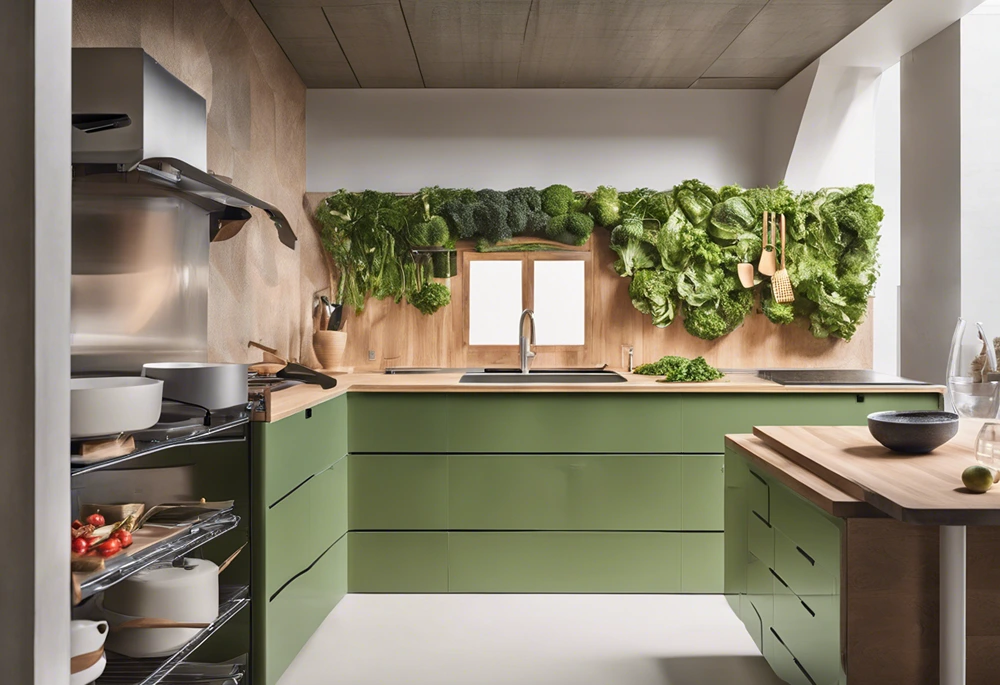
Practical Tips for Creating a Sustainable Kitchen
To create a more sustainable kitchen, consider the following tips:
- Choose Energy-Efficient Appliances: Look for Energy Star-rated products.
- Adopt Sustainable Cooking Practices: Use energy-efficient cooking methods and appliances.
- Focus on Recycling and Waste Reduction: Implement systems for composting and recycling.
Challenges and Solutions in Sustainable Kitchen Design
While the benefits of sustainable kitchen design are clear, there are challenges to consider:
- Balancing Cost and Sustainability: Initial costs can be higher, but long-term savings and environmental benefits are significant.
- Overcoming Design Limitations: Creative solutions are needed to integrate sustainability into various kitchen styles.
- Future-Proofing Kitchen Designs: Designing kitchens that can adapt to future technologies and trends.
The Future of Kitchen Design
Looking ahead, the future of kitchen design is set to be increasingly influenced by sustainability.

Emerging Trends in Kitchen Sustainability
Future trends in sustainable kitchen design include:
- Predictions for Future Design Trends: A continued emphasis on energy efficiency and smart technology.
- Integration of Advanced Technologies: Such as AI and machine learning, to optimize kitchen functionality.
Sustainable Kitchen Technology: A Look Ahead
The future of sustainable kitchen technology is promising, with potential developments in:
- Eco-Friendly Materials: Continued innovation in sustainable materials for kitchen design.
- The Evolving Role of Technology: Greater integration of technology to enhance both sustainability and user experience.
Emerging Trends in Kitchen Sustainability
The future of kitchen design is set to be shaped by sustainability. We are witnessing a shift towards more energy-efficient and environmentally friendly kitchens. This includes the use of advanced technologies and materials that reduce the environmental impact.
Predictions for Future Design Trends
- Integration of AI and Machine Learning: Future kitchens may use AI to optimize energy use and manage waste more efficiently.
- Sustainable Innovation: Continued development of materials that are both eco-friendly and durable.
Integration of Advanced Technologies
- Smart Home Ecosystems: Kitchens will increasingly become part of interconnected smart home systems, allowing for seamless control and monitoring of energy use.
- Renewable Energy Integration: Solar panels and other renewable energy sources will become more common in kitchen designs.
Sustainable Kitchen Technology: A Look Ahead
The future of sustainable kitchen technology holds exciting possibilities for both design and functionality.
Eco-Friendly Materials
- Biodegradable Products: Development of kitchen products that are not only sustainable but also biodegradable.
- Recycled and Upcycled Materials: Increased use of materials that give a second life to previously used resources.
The Evolving Role of Technology
- Enhanced User Experience: Technology will not only make kitchens more sustainable but also more user-friendly and efficient.
- Customization and Personalization: Technology will allow for greater customization of kitchen spaces to individual preferences and needs.
Practical Tips for Creating a Sustainable Kitchen
Creating a sustainable kitchen involves a combination of technology, materials, and practices.
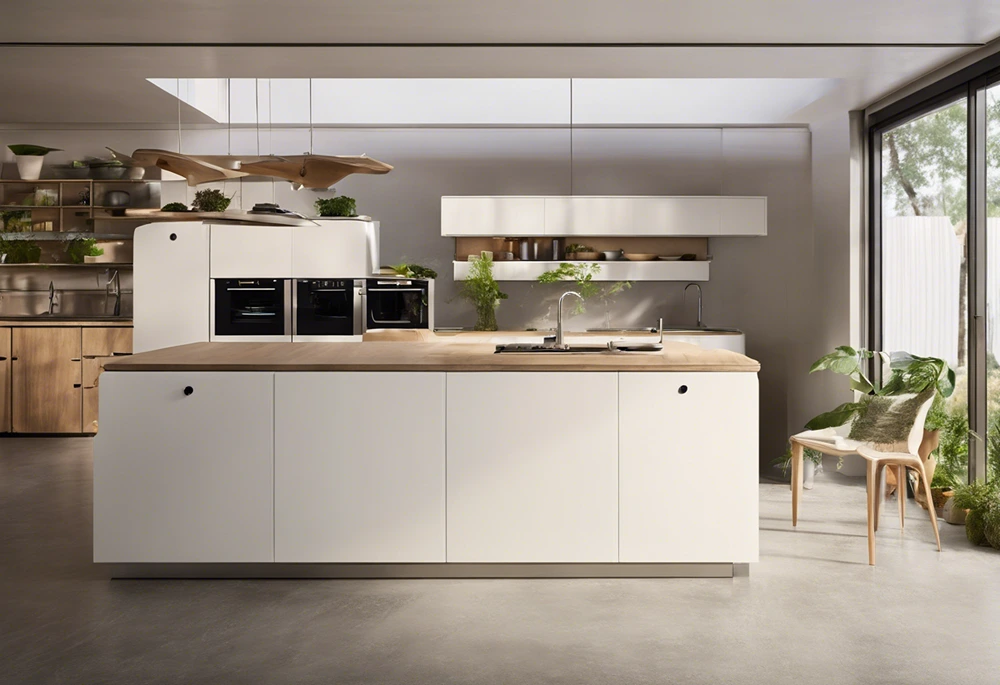
Choose Energy-Efficient Appliances
- Energy Star-rated Appliances: Opt for appliances that have a high Energy Star rating for maximum energy efficiency.
- Smart Appliances: Choose appliances that offer smart features for better energy management.
Adopt Sustainable Cooking Practices
- Energy-Efficient Cooking Methods: Use cooking methods that conserve energy, such as pressure cooking or using induction cooktops.
- Mindful Usage: Be conscious of how you use appliances to minimize energy waste.
Focus on Recycling and Waste Reduction
- Built-in Recycling Bins: Incorporate recycling stations into your kitchen design.
- Composting Solutions: Consider a compost bin for organic waste to reduce landfill contribution.
Challenges and Solutions in Sustainable Kitchen Design
While the move towards sustainable kitchens is positive, it comes with its own set of challenges.
Balancing Cost and Sustainability
- Initial Investment vs. Long-Term Savings: Sustainable technologies may have a higher upfront cost but can lead to significant savings over time.
Overcoming Design Limitations
- Creative Solutions: Look for innovative ways to integrate sustainable elements into your kitchen design.
- Professional Guidance: Consult with design professionals who specialize in sustainable kitchens.
Future-Proofing Kitchen Designs
- Adaptable Designs: Create kitchens that can easily adapt to future technologies and trends.
- Investing in Quality: Choose high-quality materials and appliances that will stand the test of time.
The Future of Kitchen Design
The future of kitchen design is bright with the promise of sustainability. As we continue to innovate and integrate eco-friendly practices, the kitchens of tomorrow will not only be more efficient and environmentally friendly but also more attuned to the needs and preferences of the user.
Frequently Asked Questions
Look for appliances with high Energy Star ratings and smart features for energy management.
Install low-flow faucets and consider appliances like dishwashers that are efficient in water usage. WaterSense offers great solutions for water-saving technologies.
Bamboo, recycled glass, and FSC-certified wood are some of the sustainable materials you can use in your kitchen.
Yes, smart appliances and energy management systems can significantly reduce energy and water usage, making your kitchen more sustainable.
While the initial cost might be higher, sustainable kitchens can lead to long-term savings in energy and water bills.
Related Posts

Future Kitchen Technologies: Revolutionizing Home Cooking and Design
The kitchen, often considered the heart…


Tech-Advanced Kitchen Design: The Future of Culinary Spaces
The kitchen, traditionally the heart of…