The type of conservatory you want to install will depend on where you live and how much time you spend in it. For example, if you live in a temperate climate, then a solarium is perfect for your needs-it’s south-facing windows are reinforced with insulated screens to allow for uninterrupted sun exposure.
If you’re living in a damp climate, then a Victorian-style conservatory is the best option for you. The roof is positioned higher than the walls so rain can’t enter when it falls from overhead.
Conservatories are an excellent way to extend your living space and let in natural light – especially if you live in a country with long, cold winters, such as Scotland. There are many different kinds of conservatories and variables such as their costs, and we’ll go through them in this guide.
The Different Types of Conservatories
With several types of conservatories available, it may be hard to choose the one that fits your property the most. While it mainly comes down to preferences, these are the conservatories that you should consider, from modern ones to more authentic, to orangeries.
- Lean-to Conservatory
Lean-to Conservatories are some of the most common and famous conservatory types. They’re created to be fitted against a wall. They can come as a glasshouse style, which includes double glazing for insulation, or as a roofed building with two walls and double glazed windows on either side.
- Victorian Conservatory
Victorian conservatories were very popular during the Victorian era, with their distinctive shape and curved roofs. They can be made from brick, stone, or concrete blocks and generally, a polycarbonate roof is installed on them. They were designed to provide a shaded area under which plants could thrive. Victorian-style conservatories really are a sight to behold.
- Edwardian Conservatory
Edwardian conservatories have heated-proof roofs and can resemble a room because they don’t have any bracing, unlike the other types mentioned above. This makes them more similar in appearance to traditional houses from that period rather than being an obvious property extension.
- Gable fronted Conservatory
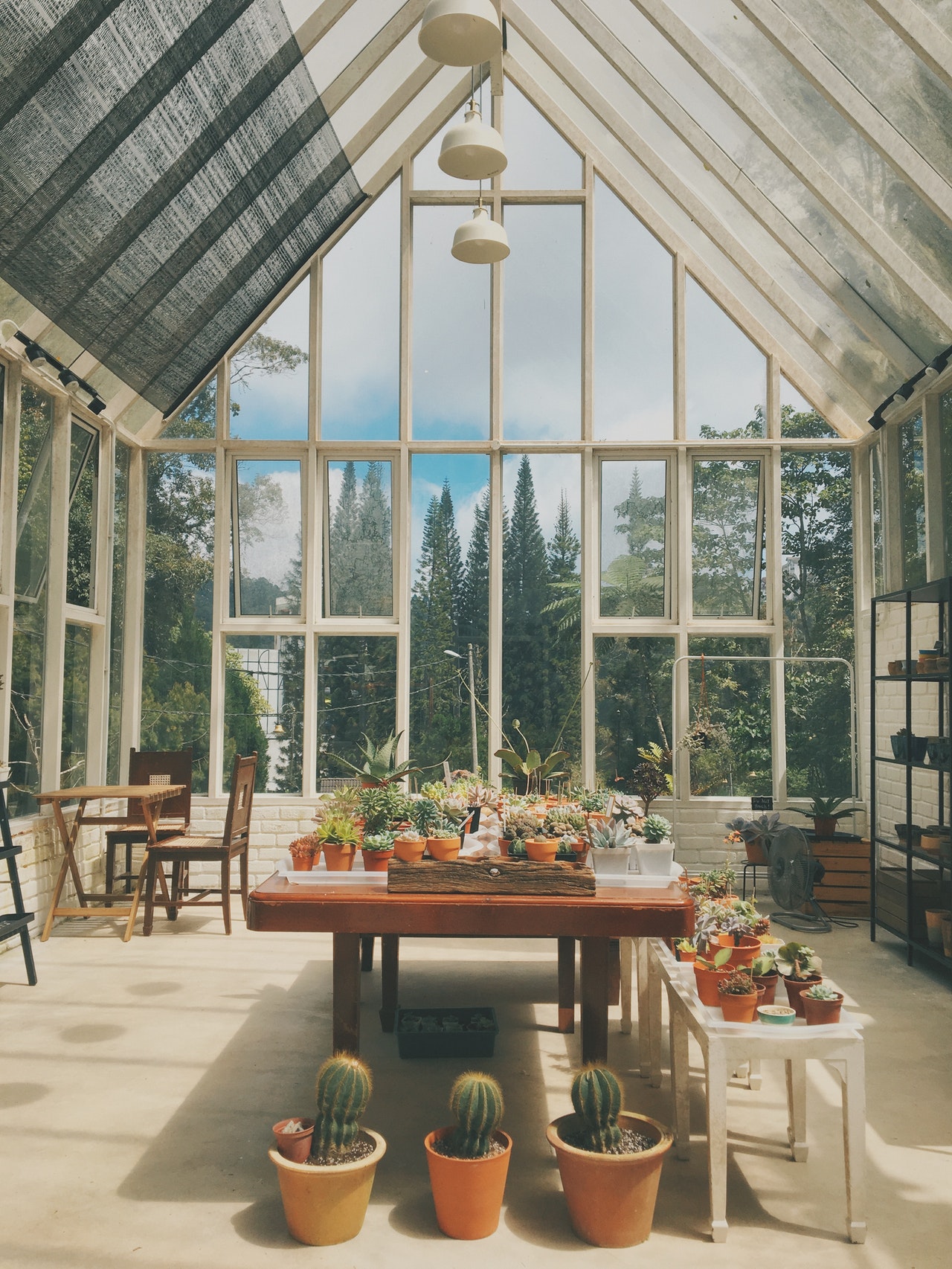
As the name indicates, these have a gable or triangular shape at one end and usually, this forms part of your home’s architecture. In a gable-fronted conservatory, you can have a really nice place to relax or entertain. They are also great for people who love plants because it provides more space for them. The roof is often not pitched so water will run off rather than build up and damage the building materials. With these features, gable-fronted conservatories have become very popular in recent years.
- Orangeries
If you want something even more luxurious, try an orangery. These are large glasshouses with cathedral-like ceilings and walls made of glass. This means that you can get all the great benefits of being outside without dealing with any of the downsides, such as bugs and dirt.
If you’re looking for a way to make your home more cosy and comfortable than a regular conservatory, this could be a great option for you. Like some Victorian-style conservatories, orangeries feature stone floors and solid brick walls.
To conclude, they are also easy to decorate and we’re confident you’ll quickly decide what to put in the orangery to enhance the decor.
The Best Conservatories – What You Should Know
The essential point in designing your conservatory is to have an idea of what you are going to use it for. The size can vary from being very small – just a section of the garden, to having an extensive floor area that would be suitable for entertainment purposes.
Regardless of the conservatory you choose, it’s essential to ensure that the location provides protection from the sun and wind during all seasons. We highly recommend insulating your conservatory for the value of the room and reduced maintenance costs. This includes both day and nighttime hours when temperatures drop outside.
Moreover, before you start installing your conservatory, we recommend considering what materials will be needed to make it sturdy enough for use in inclement weather. For instance, the window frames, the door materials, and other elements such as the popular uPVC which is known for its durability and little maintenance needed.
Last but not least, you will need to investigate whether you need permission from the local administration to extend your property. In fact, this can come with a fee and could potentially impact your overall budget.
The Cheapest Conservatory Types
All things considered, lean-to-conservatories are the cheapest ones to build. With an average price of £15000 including materials, installation, and base, this is the best option to extend your property on a budget.
Considerable Elements When Installing a Conservatory
Conservatories are extremely convenient and practical as they provide an indoor environment with natural light and fresh air.
You may want to consider adding one if you need more space in your house, are looking for a way to provide some relief from the cold weather, or add value to your property. There are numerous things to take into account before deciding whether this is the best option for you though.
Think about what types of plants or flowers you’d like to grow inside- will they survive with less sunlight? How much space do you have available? Will sound control be an issue?
These are the best design ideas you can have to make your conservatory more pleasant and appealing.
Of course, the budget should also be considered and many elements are involved. At Glasgow Tradespeople, we are proud to offer the best and best value for money when it comes to installing conservatories and extending your property.
Conclusion
It may seem overwhelming when deciding which type of conservatory is the best one for your home with all the shapes, sizes, and purposes.
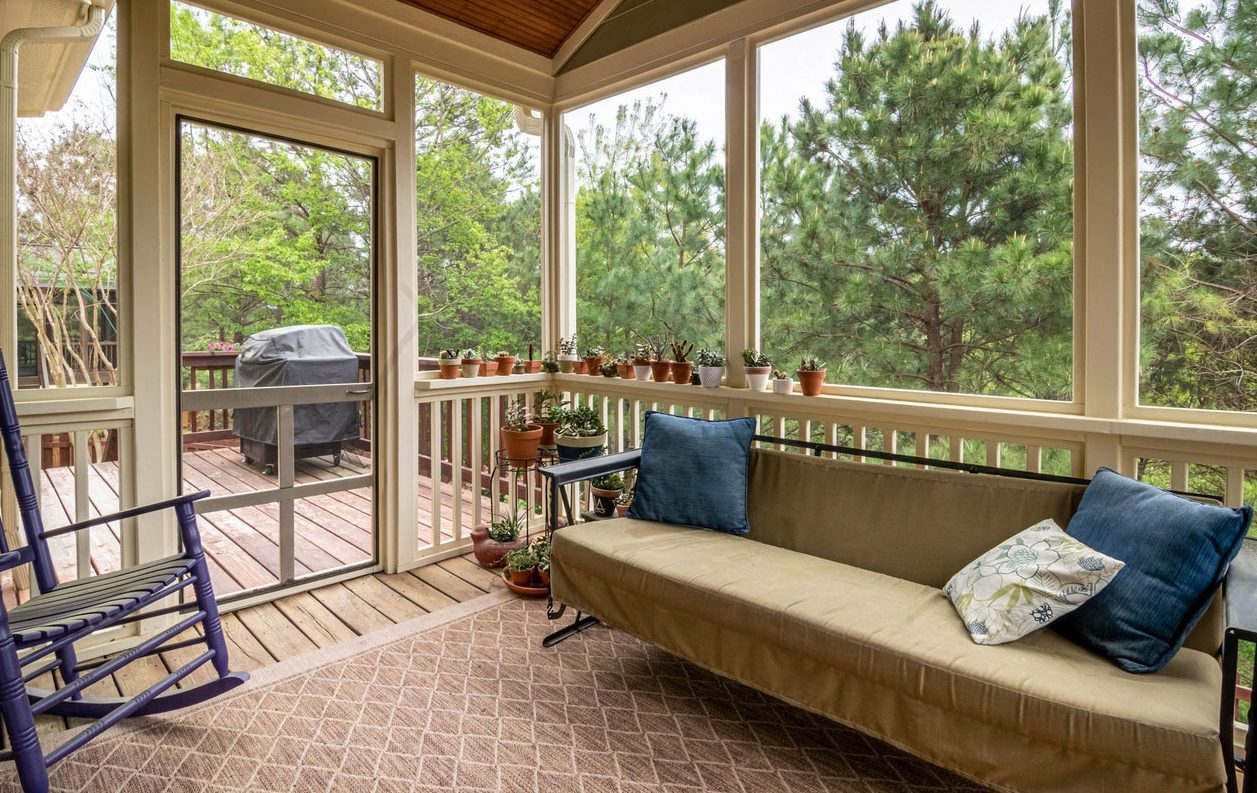
However, one way to narrow down this choice is by considering the elements in your current house design. If there are large windows or doors in your living room then a sunroom would suit nicely with its sunny feel and natural light coming through.
If there’s an open space between two rooms like a kitchen and dining area, then a breakfast nook might work well as they’re cosy spaces where people often eat breakfast together.
All in all, these were all the variables to consider, we’re confident to have provided enough insight to help you make a decision.