

In the realm of home renovations, the kitchen stands out as a focal point of daily life, a space where functionality meets personal style. However, in today’s environmentally conscious world, a kitchen remodel is more than just a design update; it’s an opportunity to make a positive impact on the environment. Embracing eco-friendly practices in kitchen design not only contributes to a healthier planet but also ensures a sustainable, energy-efficient, and aesthetically pleasing space for homeowners. This article, presented in two parts, delves into the essentials of eco-friendly kitchen remodels, highlighting key elements, design trends, and innovative features that align with sustainable living.
Key Takeaways:
- Sustainable Materials: Utilizing eco-friendly materials for countertops, flooring, and backsplash.
- Energy Efficiency: Incorporating energy-efficient appliances and lighting solutions.
- Water Conservation: Implementing water-saving fixtures like low-flow faucets.
Understanding Eco-Friendly Kitchen Design

Sustainable Materials: The Foundation of Eco-Friendly Kitchens
Countertops, Flooring, and Backsplash
When it comes to selecting materials for your kitchen remodel, the environmental impact is a crucial consideration. Opting for sustainable materials not only reduces your carbon footprint but also adds a unique aesthetic to your kitchen.
- Countertops: Look for materials like recycled glass, bamboo, or reclaimed wood. These options are not only durable but also add a distinct character to your kitchen.
- Flooring: Bamboo, cork, and linoleum are excellent choices for eco-friendly flooring. They are renewable, biodegradable, and available in various styles.
- Backsplash: Recycled tiles or glass can create a stunning backsplash that’s both stylish and sustainable.
Energy-Efficient Appliances and Lighting
Energy efficiency is a cornerstone of eco-friendly kitchen design. Modern appliances with high energy ratings not only lower utility bills but also reduce environmental impact.
- Appliances: Choose ENERGY STAR® certified refrigerators, dishwashers, and ovens for maximum energy efficiency.
- Lighting: LED lighting is a must for eco-friendly kitchens. It consumes less energy and has a longer lifespan compared to traditional lighting.
Water Conservation: Eco-Friendly Faucets and Fixtures
Water conservation is another critical aspect of sustainable kitchen design. Installing water-efficient fixtures can significantly reduce water usage without compromising performance.
- Faucets: Opt for faucets with the WaterSense label, which indicates high water efficiency. WaterSense products are independently certified to ensure they meet EPA’s criteria for efficiency and performance.
- Fixtures: Consider low-flow faucets and aerators to minimize water waste.
Design Trends in Eco-Friendly Kitchens
Popular Styles and Themes
The trend towards eco-friendly kitchens doesn’t mean sacrificing style. In fact, sustainable kitchens often feature cutting-edge designs that are both beautiful and functional.
- Minimalist Designs: Sleek, uncluttered kitchens with a focus on sustainability are increasingly popular.
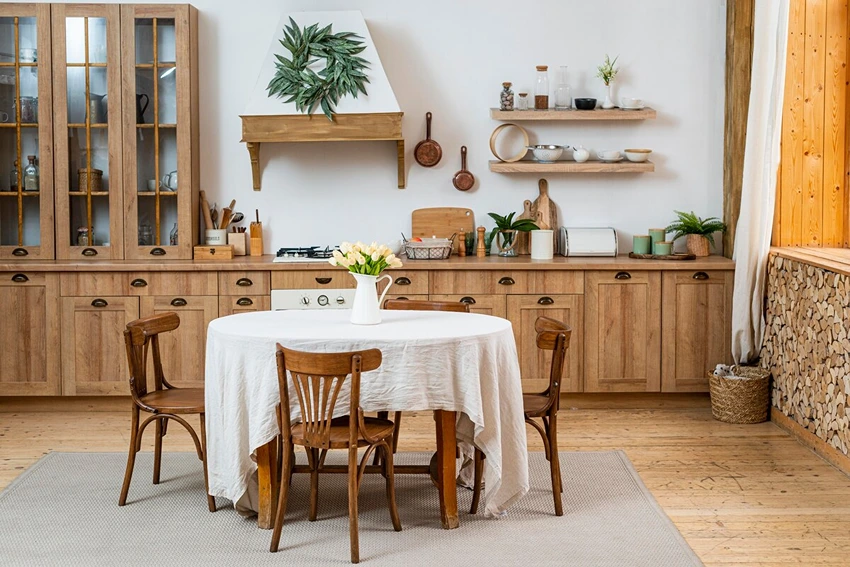
- Natural Aesthetics: Incorporating elements like natural wood and stone can create a warm, inviting space.
Color Schemes and Material Choices
The choice of colors and materials plays a significant role in the overall look and feel of your kitchen.
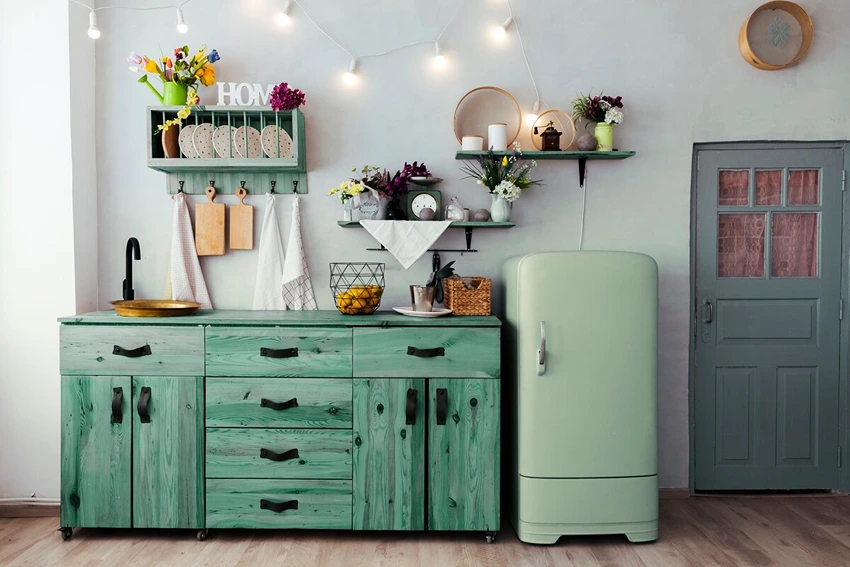
- Earthy Tones: Colors inspired by nature, such as greens, browns, and blues, are trending in eco-friendly kitchen designs.
- Sustainable Materials: Recycled or reclaimed materials not only add character but also tell a story of sustainability.
Incorporating Natural Elements
Bringing natural elements into your kitchen design not only enhances aesthetics but also promotes a healthier indoor environment.
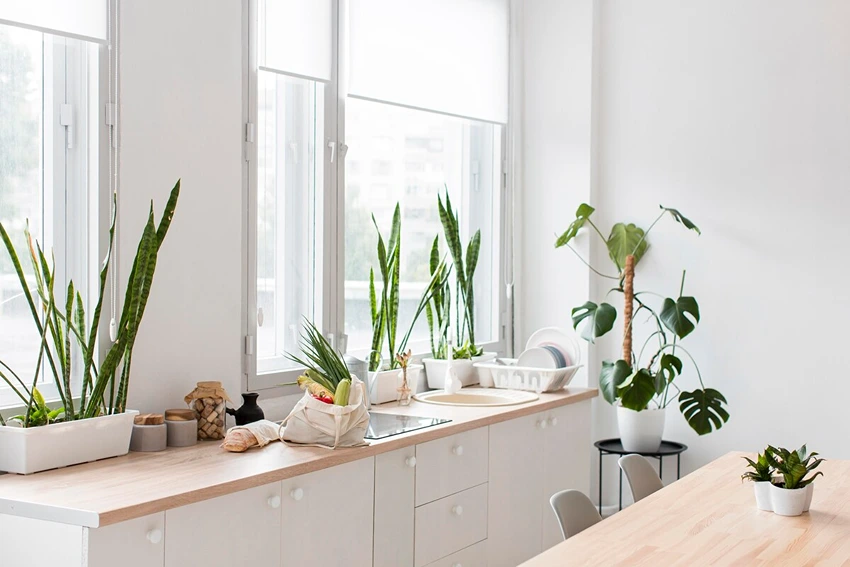
- Indoor Plants: Adding greenery can improve air quality and add a touch of nature to your kitchen.
- Natural Light: Maximizing natural light reduces the need for artificial lighting, saving energy.
Planning Your Eco-Friendly Kitchen Remodel
Working with Eco-Expert Contractors
Choosing the right contractor who understands and specializes in eco-friendly remodels is crucial for achieving your sustainability goals.
- Experience: Look for contractors with a proven track record in sustainable building practices.
- Certifications: Contractors with green building certifications are more likely to be knowledgeable about eco-friendly materials and technologies.
Budgeting for Sustainability
While eco-friendly remodels can be more expensive upfront, they often lead to long-term savings.
- Cost vs. Benefit: Evaluate the long-term benefits of sustainable materials and appliances against their initial cost.
- Energy Savings: Consider the potential savings on utility bills when choosing energy-efficient appliances and fixtures.
Timeline and Project Management
An eco-friendly kitchen remodel requires careful planning and management to ensure timely and efficient completion.
- Project Timeline: Set realistic timelines that allow for sourcing sustainable materials and technologies.
- Waste Management: Plan for responsible disposal or recycling of old materials and appliances.
Innovative Eco-Friendly Kitchen Features
Non-Toxic, Sustainable Cabinets
Cabinets made from sustainable, non-toxic materials are essential for a healthy kitchen environment.
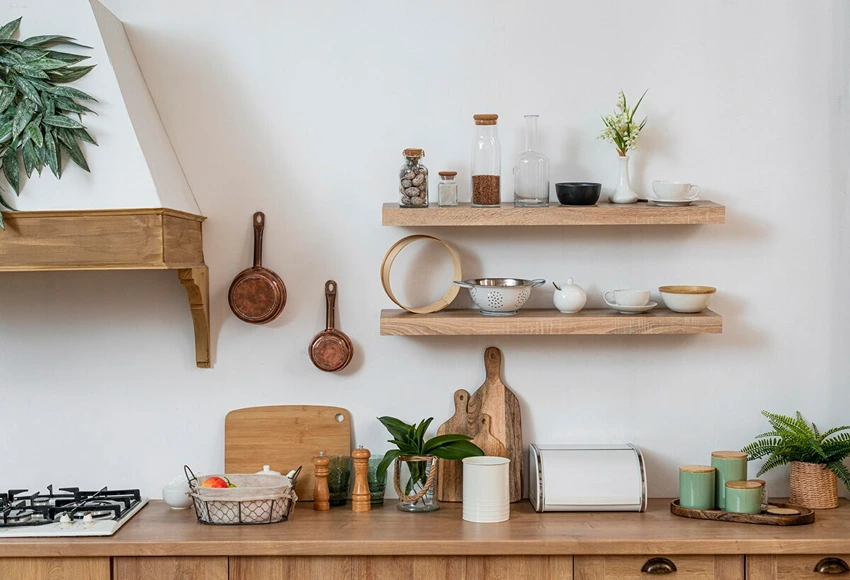
- Material Choices: Look for cabinets made from FSC-certified wood or recycled materials.
- Low-VOC Finishes: Choose finishes with low volatile organic compounds (VOCs) to improve indoor air quality.
Natural Lighting Solutions
Utilizing natural light not only saves energy but also creates a more pleasant and healthy kitchen space.
- Skylights and Windows: Incorporate skylights or large windows to maximize natural light.
- Daylighting Systems: Consider tubular daylighting systems for areas where traditional windows are not feasible.
Smart Technology for Energy Efficiency
Incorporating smart technology can significantly enhance the efficiency and functionality of your kitchen.
- Smart Appliances: Choose appliances with smart features that allow for energy-saving modes and efficient operation.
- Energy Management Systems: Install systems that monitor and manage energy usage for optimal efficiency.
Innovative Eco-Friendly Kitchen Features
Smart Technology for Energy Efficiency
Smart Appliances
Incorporating smart appliances is a game-changer in eco-friendly kitchens. These appliances offer advanced features that optimize energy use and enhance convenience.
- Energy Management: Smart refrigerators, dishwashers, and ovens can adjust their energy consumption based on usage patterns, contributing to significant energy savings.
- Remote Control: Many smart appliances can be controlled remotely, allowing homeowners to manage their kitchen appliances efficiently.
| Appliance Type | Energy Saving Feature | Benefit |
| Refrigerators | Adjustable temperature control | Reduces energy waste |
| Dishwashers | Eco-friendly wash cycles | Saves water and energy |
| Ovens | Efficient heating systems | Reduces cooking time and energy use |
Energy Management Systems
These systems provide real-time data on energy consumption, enabling homeowners to make informed decisions about their energy use.
- Usage Monitoring: Track energy usage patterns and identify areas for improvement.
- Automated Controls: Systems can automatically adjust settings to optimize energy efficiency.
FAQs: Eco-Friendly Kitchen Remodel
Bamboo, recycled glass, and reclaimed wood are popular choices for sustainable countertops.
Look for appliances with the ENERGY STAR label, which signifies high energy efficiency.
Install low-flow faucets and aerators, and consider appliances with water-saving technologies.
Absolutely! Sustainable materials and modern designs can create a kitchen that is both eco-friendly and visually appealing.
Yes, smart thermostats, energy-efficient lighting systems, and appliances with smart features can significantly enhance the sustainability of your kitchen.
Related Posts

Future Kitchen Technologies: Revolutionizing Home Cooking and Design
The kitchen, often considered the heart…


Tech-Advanced Kitchen Design: The Future of Culinary Spaces
The kitchen, traditionally the heart of…