

In the realm of interior design, the kitchen is more than just a space for culinary endeavors; it’s a canvas for expressing personal style and preferences. Among the various design philosophies, modern minimalist kitchens have emerged as a popular choice, blending functionality with aesthetic simplicity. This article, brought to you by Glasgow Tradespeople, delves into the essence of modern minimalist kitchens, exploring their key characteristics, materials, and color schemes.
Key Takeaways:
- Modern minimalist kitchens emphasize simplicity in design and functionality.
- Monochromatic color schemes and clean lines are hallmarks of this style.
- Material choice plays a significant role, with a preference for sleek and durable options.
- Planning and designing a minimalist kitchen involves careful consideration of space and utility.
Introduction to Modern Minimalist Kitchen Design
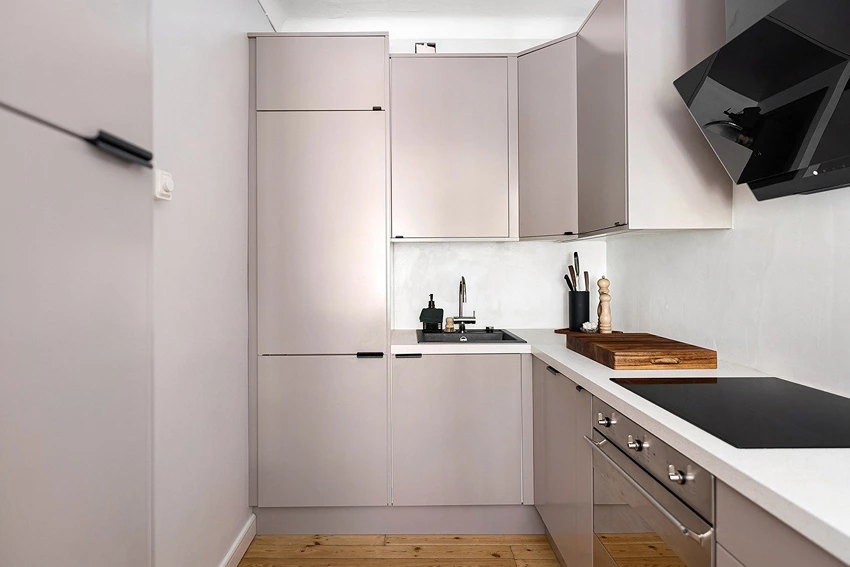
Minimalist kitchen design is not just a trend; it’s a way of life that reflects a preference for uncluttered, clean spaces that prioritize functionality. Rooted in the principle of “less is more,” these kitchens are characterized by their streamlined designs, absence of ornate details, and a focus on practicality.
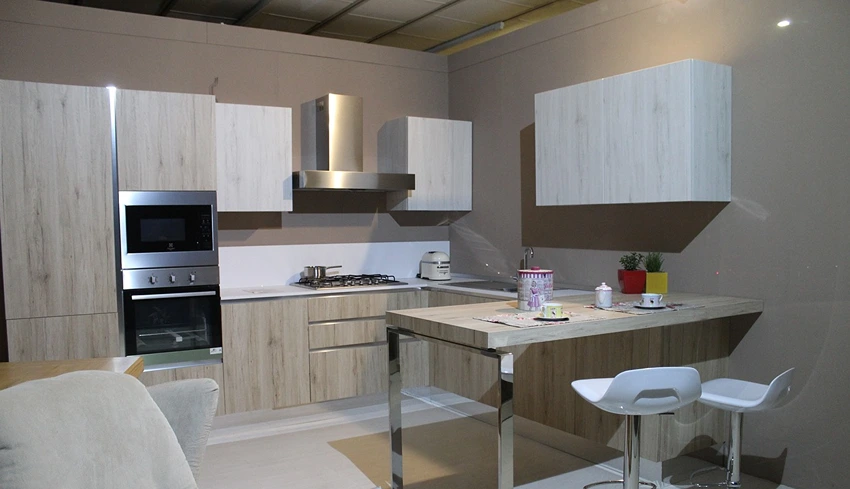
Key Characteristics of Minimalist Kitchen Design
- Simplicity in Form and Function: The minimalist kitchen is all about efficiency and simplicity. Every element, from cabinetry to appliances, is chosen for its functionality and streamlined appearance. This approach is reminiscent of Scandinavian kitchen styles, which also emphasize clean lines, natural materials, and a clutter-free environment. By integrating these principles, one can create a kitchen that is both beautiful and practical.
- Monochromatic Color Schemes: These kitchens often feature a monochromatic palette, predominantly in shades of whites, greys, or blacks, creating a cohesive and tranquil environment.
- Uncluttered Spaces: Clutter is the antithesis of minimalism. These kitchens are designed to have a place for everything, keeping countertops and visible areas free of unnecessary items.
Materials and Textures in Minimalist Kitchens
The choice of materials in minimalist kitchens is crucial, as it contributes significantly to the overall aesthetic. Popular materials include: When considering minimalist kitchen flooring, options such as polished concrete, natural stone, or sleek tiles can enhance the clean and streamlined look. These materials not only provide durability but also complement the overall minimalist design by maintaining a cohesive and uncluttered appearance.
- Stainless Steel: Known for its durability and sleek look, stainless steel is a common choice for appliances and fixtures.
- Natural Stone: Materials like marble and granite offer a touch of elegance and are often used for countertops and backsplashes.
- Wood: While minimalism often leans towards cooler tones, incorporating wood can add warmth and texture to the kitchen.
Table: Popular Materials in Minimalist Kitchens
| Material | Characteristics | Usage |
| Stainless Steel | Durable, sleek | Appliances, fixtures |
| Natural Stone | Elegant, durable | Countertops, backsplashes |
| Wood | Warm, textured | Cabinets, accents |
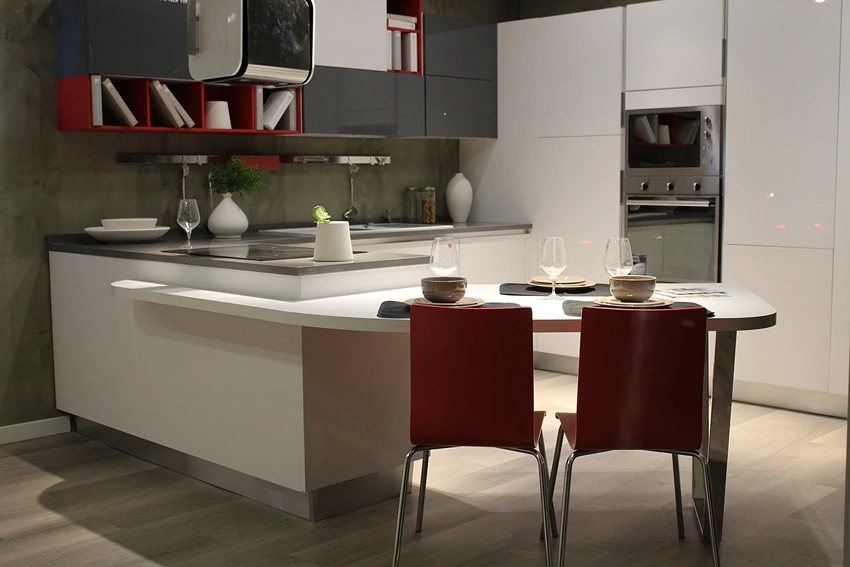
Color Schemes in Modern Minimalist Kitchens
The color scheme in a minimalist kitchen is typically understated, with an emphasis on neutrals. However, subtle variations or accents can add depth and interest without overwhelming the minimalist aesthetic.
Table: Popular Color Schemes in Minimalist Kitchens
| Base Color | Accent Color | Effect |
| White | Grey or Black | Clean, spacious |
| Grey | White or Blue | Modern, sophisticated |
| Black | White or Red | Bold, dramatic |
Planning Your Minimalist Kitchen
Designing a minimalist kitchen requires thoughtful planning to ensure both aesthetic appeal and functional efficiency.
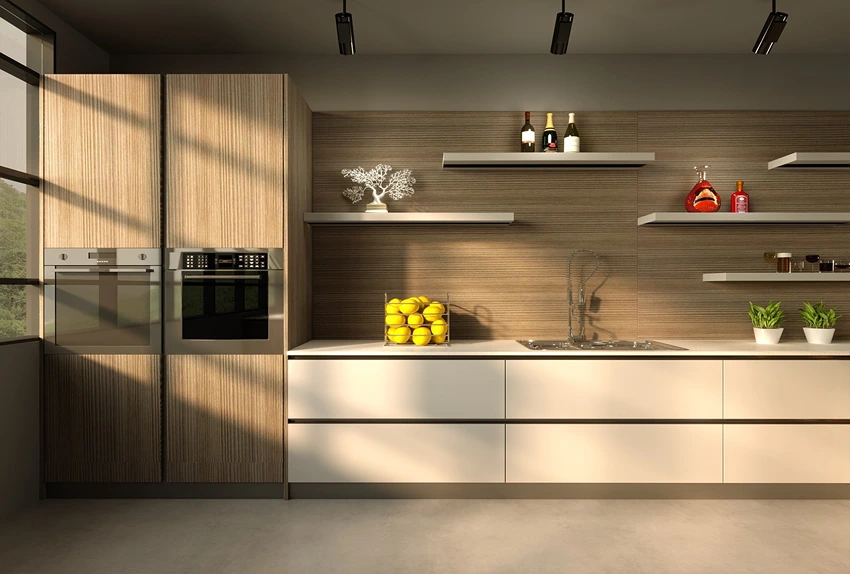
Key Considerations in Layout and Design
- Maximizing Space: Efficient use of space is paramount in minimalist design. This often involves innovative storage solutions and a layout that facilitates easy movement.
- Functional Zones: Creating distinct areas for cooking, cleaning, and storage helps maintain organization and flow.
Minimalist Kitchen Furniture and Appliances
- Furniture: Choose pieces that are simple in design yet functional. For instance, sleek bar stools or unadorned chairs complement the minimalist style.
- Appliances: Integrated appliances that blend into the cabinetry are a popular choice in minimalist kitchens, maintaining a seamless look.
Lighting and Accessories in Minimalist Kitchens
- Lighting: Opt for simple, yet effective lighting solutions. Recessed lights or simple pendant lights work well.
- Accessories: Minimalist kitchens benefit from a ‘less is more’ approach to accessories. Simple, functional items that align with the color scheme are ideal.
Table: Lighting and Accessory Ideas for Minimalist Kitchens
| Item | Description | Purpose |
| Recessed Lights | Flush with the ceiling | General lighting |
| Pendant Lights | Simple designs | Task lighting |
| Functional Accessories | Items like a sleek spice rack | Enhance utility and style |
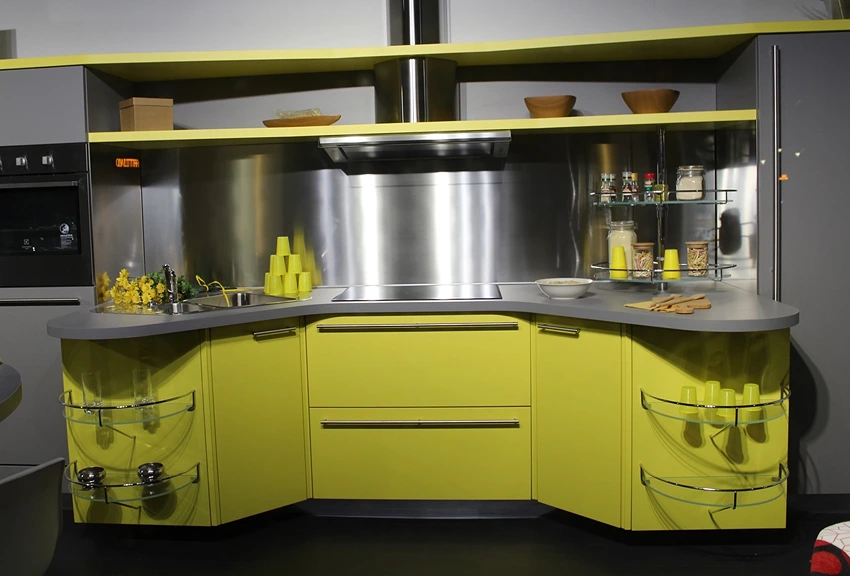
Integration of Technology in Minimalist Kitchens
Modern minimalist kitchens are not just about visual appeal; they incorporate cutting-edge technology to enhance functionality. Smart appliances, integrated systems, and innovative storage solutions are seamlessly blended into the design, maintaining the minimalist ethos while offering maximum convenience.
Table: Technological Innovations in Minimalist Kitchens
| Technology | Function | Impact on Design |
| Smart Appliances | Enhance cooking and storage | Streamlined integration |
| Automated Systems | Lighting and climate control | Unobtrusive and efficient |
| Innovative Storage | Space-saving solutions | Clutter-free and organized |
Lighting and Accessories: The Finishing Touches
In minimalist kitchen design, lighting and accessories play a pivotal role in accentuating the aesthetics while maintaining functionality. The choice of lighting fixtures and decorative elements should align with the minimalist theme, adding to the space without overwhelming it.
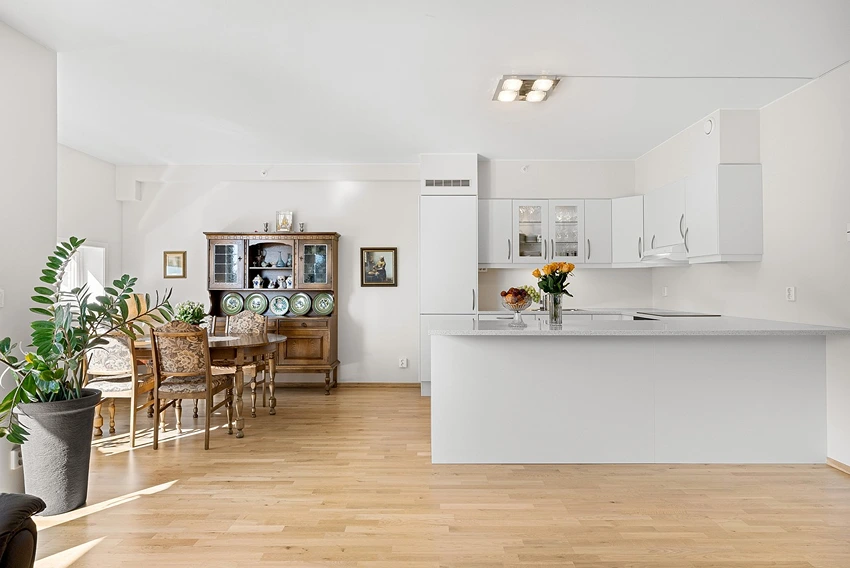
Table: Lighting and Accessory Options for Minimalist Kitchens
| Item | Description | Purpose |
| LED Strip Lights | Under-cabinet lighting | Enhances functionality |
| Minimalist Pendants | Over islands and dining areas | Adds style and focus |
| Functional Decor | Simple, elegant pieces | Complements the minimalist look |
Frequently Asked Questions About Modern Minimalist Kitchens
A minimalist kitchen should focus on the essentials, tailored to individual needs and lifestyles. This includes basic cooking equipment, efficient storage, and task lighting. The key is to keep only what is necessary and regularly used.
To achieve a minimalist look without extensive renovations:
- Declutter and organize essentials neatly.
- Maintain a cohesive color palette.
- Opt for open shelving to display functional and beautiful items.
- Keep countertops clear for a spacious feel.
Creating a clutter-free kitchen involves:
- Eliminating unused or duplicate items.
- Organizing essentials in a way that is easy to maintain.
- Keeping countertops clear and ensuring everything has a designated place.
Related Posts

Future Kitchen Technologies: Revolutionizing Home Cooking and Design
The kitchen, often considered the heart…


Tech-Advanced Kitchen Design: The Future of Culinary Spaces
The kitchen, traditionally the heart of…