

Scandinavian kitchen styles, known for their functional layouts, neutral palettes, and less-is-more aesthetics, continue to inspire modern interiors worldwide. These kitchens blend midcentury design principles with contemporary needs, creating spaces that are both stylish and practical. In this exploration of Scandinavian kitchen styles, we delve into various aspects that make these designs stand out.
Key Takeaways
- Scandinavian kitchens prioritize functionality, simplicity, and natural materials.
- Neutral color schemes with occasional bold accents are a hallmark.
- The design emphasizes open spaces and maximizing natural light.
Introduction to Scandinavian Design in Kitchens
Scandinavian design, originating in the Nordic countries, is characterized by its simplicity, functionality, and connection to the natural world. This design philosophy, deeply rooted in the early 20th century, has evolved to adapt to modern tastes while retaining its core principles.
Historical Evolution of Scandinavian Kitchen Styles
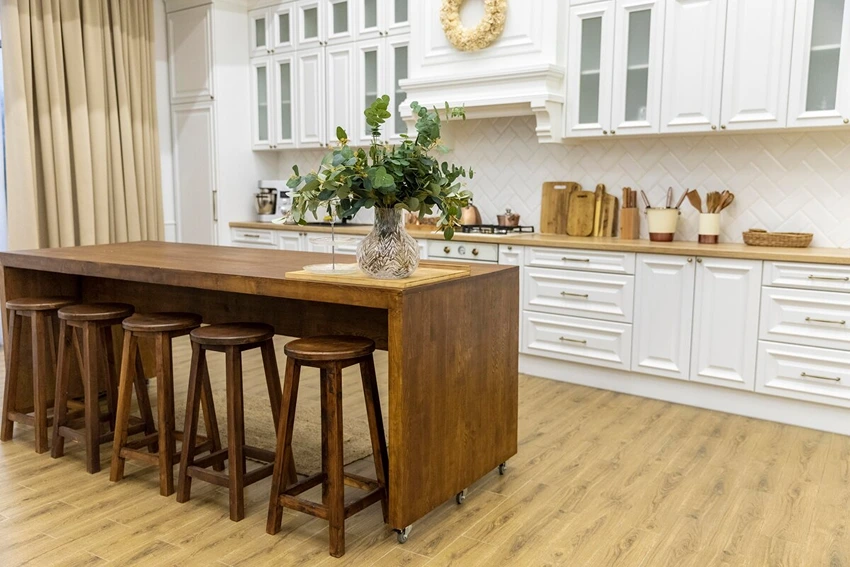
The evolution of Scandinavian kitchen styles is a testament to the enduring appeal of minimalist design. From the early 20th century to today, these kitchens have adapted to changing times while maintaining their distinct aesthetic.
Key Features of Scandinavian Kitchen Design
Scandinavian kitchen design is more than just a visual style; it’s a philosophy that prioritizes functionality and simplicity.
Simplicity and Functionality in Design
- Minimalist Aesthetics: Clean lines and uncluttered spaces.
- Functional Layouts: Efficient use of space for ease of movement and utility.
Color Palettes: Embracing Neutrals and Accents
- Neutral Tones: Predominantly white, grey, and beige.
- Bold Accents: Occasional use of vibrant colors to add character.
Materials and Textures: Wood, Metals, and More
- Natural Wood: A staple in Scandinavian kitchens for warmth and texture. The concept of biophilic design kitchens aligns perfectly with Scandinavian principles, emphasizing the use of natural elements to create a harmonious and inviting space. By incorporating plants and natural materials, you can bring a touch of the outdoors inside, enhancing the overall ambiance of your kitchen.
- Metal Accents: Used sparingly for a modern touch.
Lighting and Open Spaces in Scandinavian Kitchens
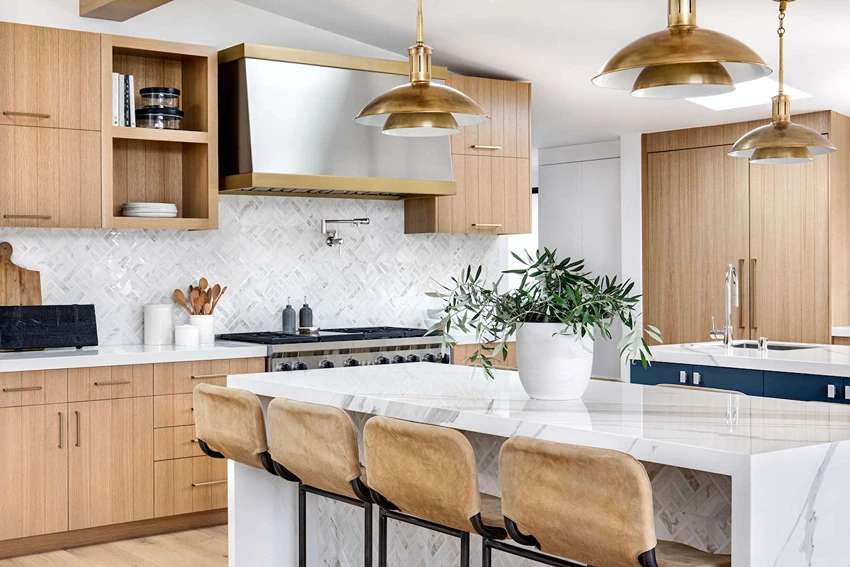
- Maximizing Natural Light: Large windows and strategic lighting.
- Open Floor Plans: Blending kitchen spaces with living areas.
Scandinavian Kitchen Layouts and Furnishings
The layout and furnishings in a Scandinavian kitchen are carefully chosen for both function and form.
Efficient Layouts for Functional Cooking Spaces
- Streamlined Designs: Optimal use of space with a focus on movement.
- Integrated Appliances: For a seamless look.
Furniture Choices: From Tables to Cabinets
- Functional Furniture: Pieces that are both practical and aesthetically pleasing. To complement these furnishings, consider incorporating minimalist kitchen accessories. These accessories not only enhance the visual appeal of your kitchen but also maintain the clean and uncluttered look that is quintessential to Scandinavian design.
- Custom Cabinetry: Often minimalist and without handles for a sleek look.
Innovative Storage Solutions in Scandinavian Kitchens
- Hidden Storage: Maximizing space with smart storage solutions.
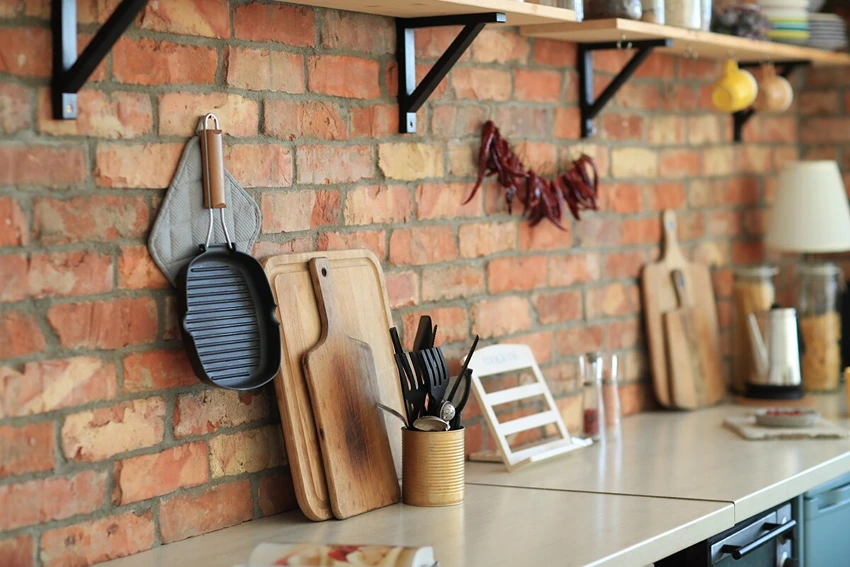
- Open Shelving: For easy access and a sense of openness.
Decorative Elements and Personal Touches
Personalizing a Scandinavian kitchen involves adding elements that reflect individual tastes while adhering to the minimalist ethos.
Incorporating Art and Decorative Items
- Minimalist Art: Simple yet impactful pieces.
- Decorative Accents: Plants and handcrafted items for a personal touch.
Personalizing Your Scandinavian Kitchen
- Unique Light Fixtures: As focal points.
- Textile Accents: Rugs and curtains for warmth and texture.
Modern Trends in Scandinavian Kitchen Design
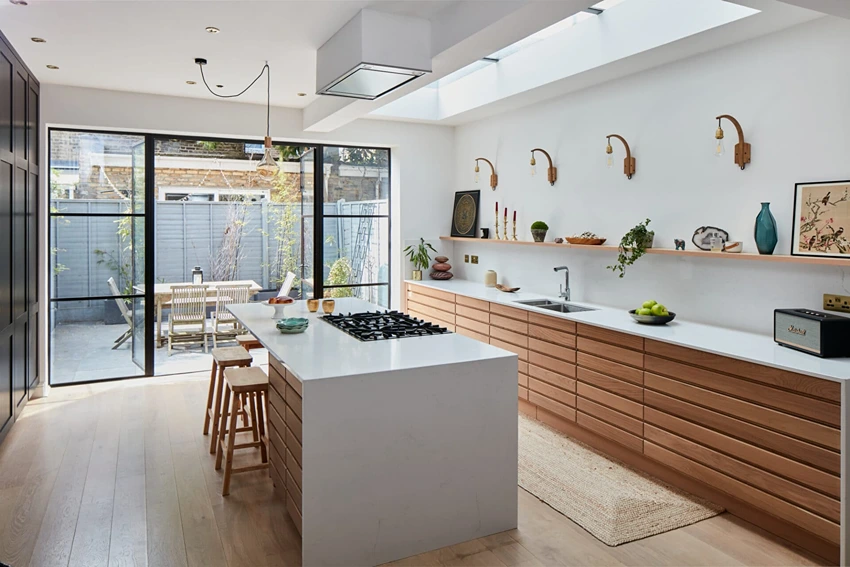
Contemporary Scandinavian kitchens blend traditional elements with new trends to create fresh, inviting spaces.
Contemporary Adaptations and Innovations
- Eco-Friendly Materials: Sustainable choices are increasingly popular.
- Smart Technology: Integrated for modern convenience.
Sustainability and Eco-Friendly Practices
- Recycled Materials: Used in countertops and cabinetry.
- Energy-Efficient Appliances: For a smaller environmental footprint.
Modern Trends in Scandinavian Kitchen Design (Continued)
Eco-Friendly Materials and Practices
- Sustainable Choices: Emphasis on eco-friendly materials like bamboo and recycled glass. For those looking to delve deeper into eco-conscious design, sustainable kitchen planning offers a comprehensive approach. This involves selecting materials and appliances that reduce environmental impact, ensuring that your kitchen is not only stylish but also kind to the planet.
- Energy Efficiency: Use of appliances that reduce energy consumption.
Smart Technology in Scandinavian Kitchens
- Integrated Appliances: Seamlessly blending technology with design.
- Smart Lighting: Automated lighting systems for energy efficiency and ambiance.
Practical Tips for Designing a Scandinavian Kitchen
Creating a Scandinavian kitchen involves more than just aesthetics; it’s about making smart choices that enhance functionality and style.
Choosing the Right Materials
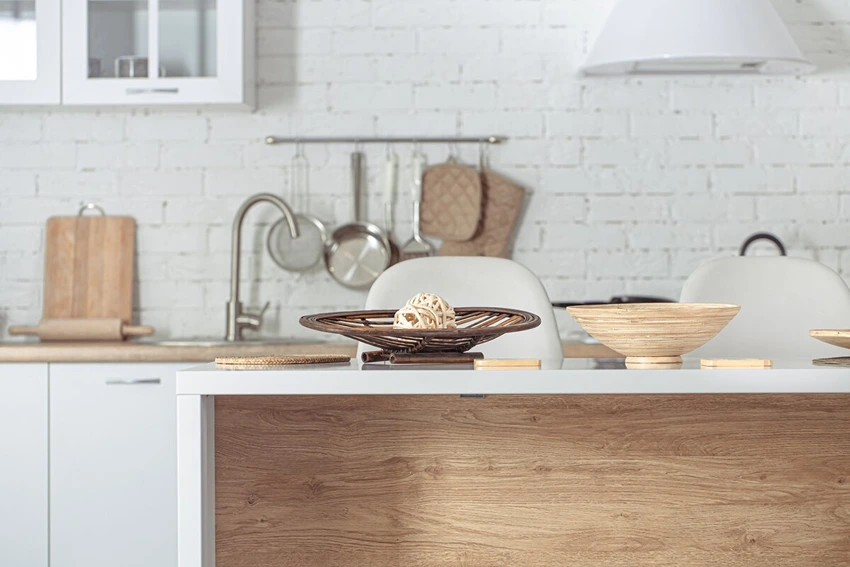
- Durability and Style: Opt for materials that offer both longevity and aesthetic appeal.
- Natural Textures: Incorporate elements like untreated wood and stone.
Maximizing Space in Small Kitchens
- Innovative Storage Solutions: Utilize every inch with smart storage options.
- Open Shelving: Creates an illusion of space and keeps essentials within reach.
Incorporating Scandinavian Design in Existing Kitchens
- Minimalist Makeover: Simplify the design and declutter.
- Neutral Palette: Repaint with neutral, soothing colors.
Frequently Asked Questions
- Minimalist aesthetics
- Functional layouts
- Neutral color palettes with occasional bold accents
- Emphasis on natural light and open spaces
- Simplify the design and reduce clutter.
- Use neutral colors and natural materials.
- Incorporate smart, eco-friendly solutions.
Costs can vary, but the focus on simplicity and functionality can often lead to cost-effective solutions.
 Tables: Packed with Value and Information
| Element | Description | Importance |
| Color Palette | Neutral tones with occasional bold accents | Sets the mood and style |
| Materials | Natural wood, metals, sustainable options | Adds texture and warmth |
| Lighting | Maximizes natural light, smart lighting options | Enhances functionality and ambiance |
| Furniture | Functional, minimalist pieces | Complements the overall design |
Related Posts

Future Kitchen Technologies: Revolutionizing Home Cooking and Design
The kitchen, often considered the heart…


Tech-Advanced Kitchen Design: The Future of Culinary Spaces
The kitchen, traditionally the heart of…