

In the realm of modern home design, the kitchen stands out as a focal point of energy use and, consequently, an ideal candidate for efficiency improvements. Energy-efficient kitchen technology not only paves the way for a more sustainable lifestyle but also offers cost savings and enhanced functionality. This article delves into the world of energy-efficient kitchen tech, exploring its evolution, components, benefits, and the latest design trends.
Key Takeaways:
- Energy-Efficient Kitchen Tech is crucial for sustainable living and cost savings.
- Smart Appliances and Sustainable Materials are key components.
- Design Trends integrate technology with aesthetics for functionality and efficiency.
The Evolution of Kitchen Technology for Energy Efficiency
Historical Perspective
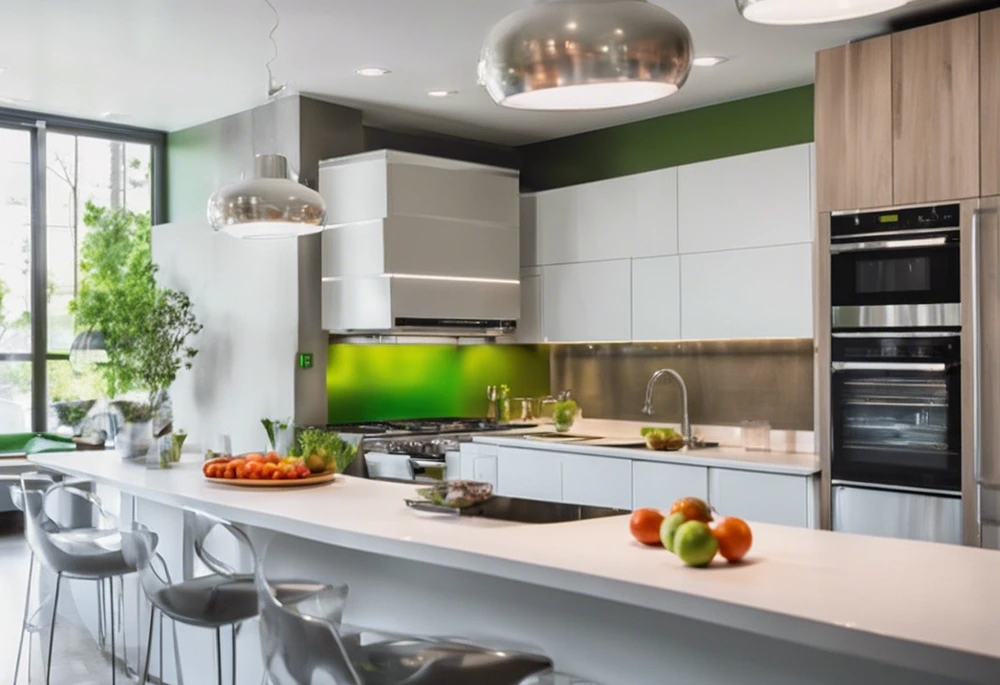
The journey of kitchen technology towards energy efficiency has been transformative. From traditional cooking methods to the introduction of electricity and gas, kitchens have continually evolved. Today, the focus is on Smart Appliances and systems that optimize energy use.
Modern Advancements
Modern kitchens are now equipped with appliances that boast Energy Star ratings, ensuring they consume less energy. Innovations like induction cooktops and energy-efficient lighting have become commonplace, significantly reducing the kitchen’s carbon footprint.
Key Components of Energy-Efficient Kitchen Design
Smart Appliances
Smart appliances play a pivotal role in energy-efficient kitchens. These appliances can be controlled remotely and are designed to use energy more effectively. For instance, modern refrigerators can adjust cooling based on the contents’ load, and dishwashers can optimize water usage.
Sustainable Materials
Using sustainable materials in kitchen design is not just a trend but a necessity for energy efficiency. Materials like bamboo for cabinetry or recycled glass for countertops are not only eco-friendly but also add to the aesthetic appeal of the kitchen. Another essential element in sustainable kitchen design is the use of eco-friendly kitchen paint, which helps improve indoor air quality and reduce environmental impact. Choosing the right materials can significantly contribute to a greener kitchen.
Energy-Saving Designs
The layout and design of a kitchen significantly impact its energy efficiency. Creating multi-functional kitchen spaces can further enhance energy savings by optimizing the use of available space and resources. These designs not only improve efficiency but also make the kitchen more versatile and user-friendly. Strategic placement of appliances, effective ventilation systems, and maximizing natural light are crucial elements of an energy-saving kitchen design.
Benefits of Energy-Efficient Kitchen Tech
Environmental Impact
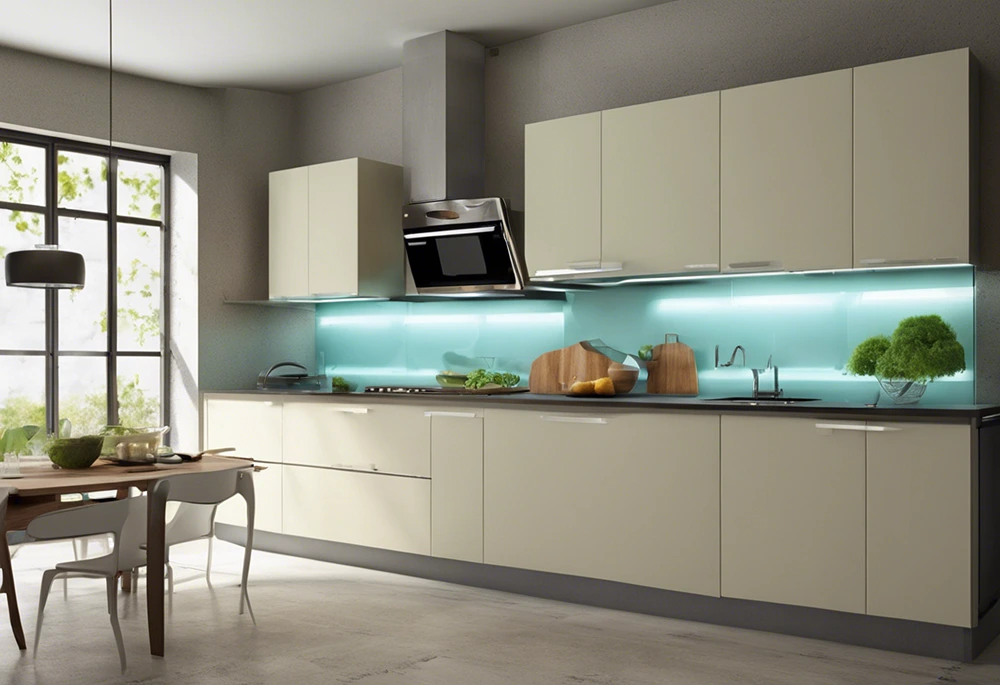
By reducing energy consumption, energy-efficient kitchens help in lowering greenhouse gas emissions, playing a vital role in combating climate change.
Cost Savings
Energy-efficient appliances and designs can lead to substantial savings on utility bills. Over time, these savings can offset the initial investment in energy-efficient technology.
Enhanced Kitchen Functionality
Energy-efficient kitchens are often equipped with advanced technology that not only saves energy but also enhances the overall functionality and user experience.
Design Trends in Energy-Efficient Kitchens
The latest trends in kitchen design focus on blending aesthetics with functionality. The use of Smart Home Technology and Eco-Friendly Materials is on the rise. These trends not only make kitchens more efficient but also more comfortable and convenient to use.
Integration of Technology with Aesthetics
Modern kitchen designs seamlessly integrate technology with stylish aesthetics. Sleek, energy-efficient appliances are being designed to complement the overall look and feel of the kitchen.
Case Studies/Examples
Several case studies highlight the successful integration of energy-efficient technology in kitchen design. For instance, a kitchen remodel focusing on sustainability might include energy-efficient LED lighting, low-flow water fixtures, and appliances with high Energy Star ratings.
Table: Energy Efficiency in Modern Kitchen Appliances
| Appliance | Energy Saving Feature |
| Refrigerator | Adjustable cooling based on load |
| Dishwasher | Optimized water usage |
| Oven | Efficient heating elements |
| Lighting | LED technology |

Table: Sustainable Materials in Kitchen Design
| Material | Sustainability Aspect |
| Bamboo | Rapidly renewable resource |
| Recycled Glass | Reduces landfill waste |
| Low-VOC Paints | Improves indoor air quality |
Choosing the Right Energy-Efficient Appliances
Criteria for Selection
When shopping for kitchen appliances, it’s essential to consider both the purchase price and the long-term operating costs. Energy-efficient appliances may have a higher upfront cost but typically offer significant savings in energy bills over their lifespan.
General Guidelines
- Look for the ENERGY STAR® Label, indicating appliances that exceed federal standards for energy efficiency.
- Compare the EnergyGuide Labels on appliances to understand their energy consumption and operating cost.
- Consider the appliance’s size and capacity to ensure it meets your needs without excess energy use.
Table: Average Lifespan and Energy Savings of Common Appliances
| Appliance | Average Lifespan | Potential Energy Savings |
| Refrigerator | 12 years | 20-30% |
| Dishwasher | 9-12 years | 10-20% |
| Oven | 10-15 years | 15-25% |
Innovative Technologies in Energy-Efficient Kitchens

Cutting-Edge Appliances and Gadgets
Smart appliances and gadgets are revolutionizing kitchen efficiency. These include refrigerators that adjust cooling based on load, dishwashers with water-saving features, and ovens with efficient heating elements.
Future of Kitchen Technology
The future points towards even more integrated and intelligent systems, where appliances can communicate with each other and with energy management systems to optimize energy use.
Practical Tips for Energy Conservation in the Kitchen
Daily Habits and Practices
- Use appliances during off-peak hours to take advantage of lower energy rates.
- Maintain appliances regularly to ensure they operate at peak efficiency.
- Use lids on pots and pans to reduce cooking time and energy use.
Maintenance Tips
- Regularly defrost refrigerators and freezers to keep them running efficiently.
- Clean and replace filters in dishwashers and ovens as needed.
- Check seals and gaskets on appliances to prevent energy loss.
The Role of Smart Home Integration

Enhancing Kitchen Efficiency
Smart home systems can integrate with kitchen appliances, allowing for remote control and monitoring of energy use. The concept of smart home integration is not just limited to the kitchen but extends to the entire home, enhancing overall energy efficiency and convenience. By integrating smart home technology, homeowners can create a cohesive and efficient living environment. This integration can lead to significant energy savings and improved convenience.
Examples of Smart Home-Kitchen Integration
- Programmable thermostats controlling kitchen heating and cooling.
- Smart lighting systems that adjust brightness based on the time of day.
- Appliances that can be controlled via smartphone apps or voice commands.
Frequently Asked Questions
Energy-efficient refrigerators, dishwashers, and ovens typically have the ENERGY STAR® label and feature advanced technologies like adjustable cooling, water-saving cycles, and efficient heating elements.
Smart technology allows appliances to be controlled remotely, optimize their energy use, and integrate with home energy management systems, leading to reduced energy consumption.
- Use appliances during off-peak hours.
- Maintain and regularly service your appliances.
- Opt for energy-efficient lighting and use natural light when possible.
While the initial purchase price may be higher, energy-efficient appliances often lead to significant savings in energy costs over time, making them a cost-effective choice in the long run.
Related Posts

Future Kitchen Technologies: Revolutionizing Home Cooking and Design
The kitchen, often considered the heart…


Tech-Advanced Kitchen Design: The Future of Culinary Spaces
The kitchen, traditionally the heart of…