

In the realm of modern design, green design materials are not just a trend but a necessity. As the world gravitates towards sustainable living, these materials are becoming increasingly crucial in architecture and interior design. This article delves into the world of green design materials, exploring their types, benefits, and challenges, and how they’re shaping the future of design.
Key Takeaways:
- Green design materials are essential for sustainable and eco-friendly construction.
- They include natural, recycled, and innovative materials.
- Benefits range from environmental impact reduction to health and safety improvements.
- Challenges include cost, availability, and market acceptance.
- These materials are pivotal in sustainable architecture and interior design.
Types of Green Design Materials

Natural Materials
Natural materials like bamboo, cork, and reclaimed wood are cornerstones of green design. They are renewable, biodegradable, and have a minimal environmental footprint.
Bamboo
- Renewable: Grows rapidly, making it a sustainable choice.
- Durable: Comparable in strength to traditional hardwoods.
- Versatile: Used in flooring, furniture, and as a structural material.
Cork
- Eco-friendly: Harvested from the bark of cork oak trees without harming the tree.
- Insulating Properties: Natural thermal and acoustic insulator.
- Resilient: Resistant to mold, mildew, and water.
Reclaimed Wood
- Sustainable: Repurposes existing wood, reducing the need for new timber.
- Unique Aesthetic: Offers a distinct, rustic look.
- Strength and Durability: Often stronger than fresh lumber due to years of expansion and contraction.
Recycled Materials
Recycled materials like glass and plastic are transforming waste into valuable design resources.
Recycled Glass
- Versatile: Used in countertops, tiles, and decorative elements.
- Durable: Resistant to heat and scratches.
- Aesthetic Appeal: Provides a unique, colorful look.
Recycled Plastic
- Diverse Applications: Used in furniture, fabrics, and building materials.
- Reduces Waste: Helps in managing plastic pollution.
- Long-lasting: Resistant to decay and moisture.
Innovative Green Materials
Innovative materials like bio-glass and hempcrete represent the cutting edge of green design.
Bio-Glass
- Made from Recycled Glass: 100% recyclable and sustainable.
- Aesthetic: Offers a sleek, modern look.
- Application: Ideal for countertops and decorative surfaces.
Hempcrete
- Carbon Negative: Absorbs more CO2 than it emits.
- Insulation: Excellent natural insulator.
- Lightweight: Easier to transport and work with than traditional concrete.
Benefits of Using Green Design Materials
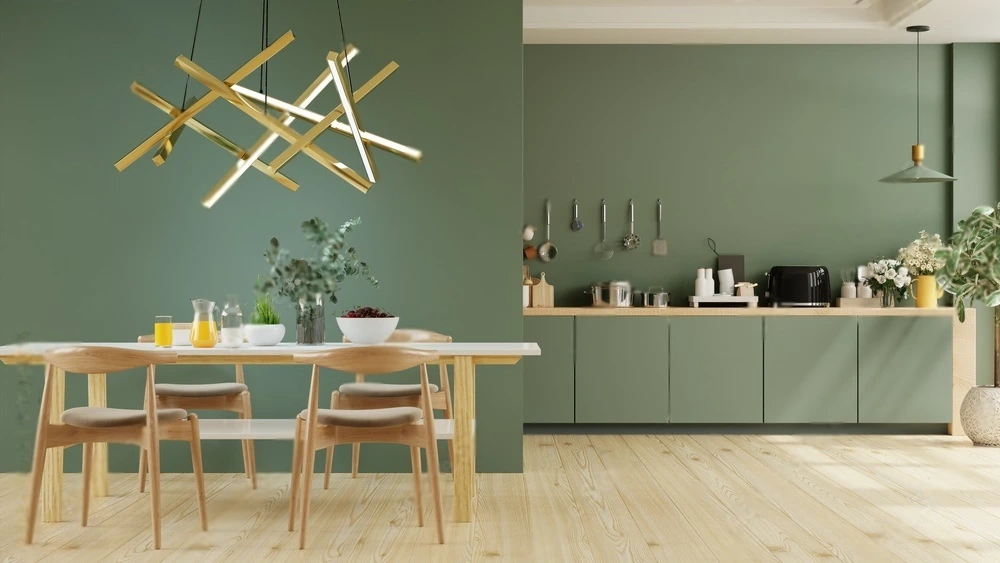
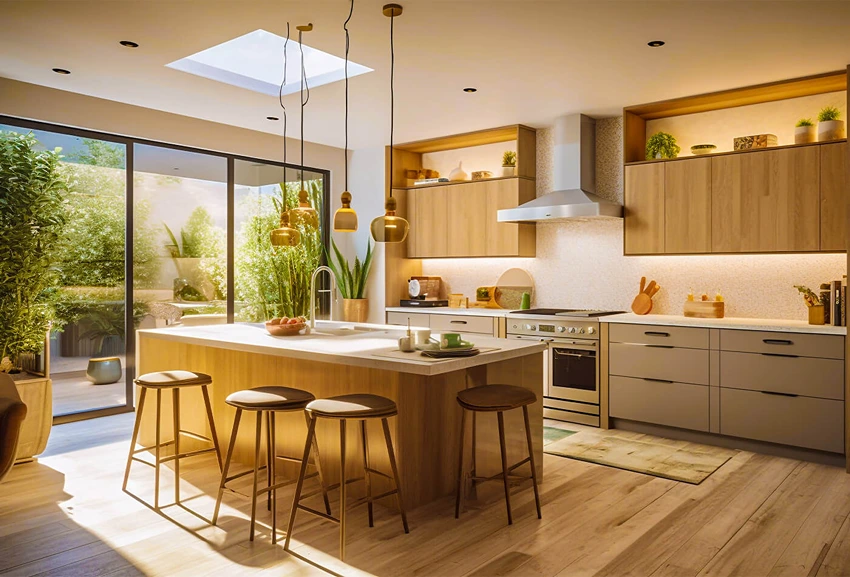
The use of green design materials brings numerous benefits, impacting not just the environment but also health and cost-efficiency. For instance, eco-friendly kitchen innovations are a prime example of how sustainable materials can be integrated into everyday spaces, offering both aesthetic and functional advantages.
Environmental Impact
- Reduces Carbon Footprint: Lower emissions during production and disposal.
- Conserves Resources: Less reliance on non-renewable materials.
- Promotes Biodiversity: Sustainable harvesting and production methods.
Health and Safety
- Improves Indoor Air Quality: Low or no VOC emissions.
- Non-toxic: Safer for occupants and workers.
- Natural Comfort: Enhances living environments naturally.
Long-term Cost Efficiency
- Energy Savings: Better insulation properties reduce energy costs.
- Durability: Longer lifespan reduces replacement costs.
- Maintenance: Often requires less maintenance than traditional materials.
Challenges in Implementing Green Design Materials
Despite their benefits, the adoption of green design materials faces several challenges.

Availability and Cost
- Limited Availability: Not as widely available as traditional materials.
- Higher Initial Cost: Often more expensive upfront than conventional materials.
Durability and Maintenance
- Perceived Durability: Concerns about the longevity of some green materials.
- Maintenance Requirements: Some materials may require special care.
Market Perception and Acceptance
- Consumer Awareness: Lack of understanding about the benefits.
- Aesthetic Concerns: Some consumers prefer the look of traditional materials.
Green Design Materials in Architecture
Green design materials are revolutionizing the field of architecture, leading to innovative and sustainable building designs.
Case Studies of Green Buildings
- Example 1: A building utilizing bamboo for structural and aesthetic purposes.
- Example 2: A facility featuring recycled glass in its façade.
Role in Sustainable Architecture
- Energy Efficiency: Materials contribute to lower energy consumption.
- Sustainable Construction Practices: Minimize environmental impact during construction.
Future Trends
- Innovation in Materials: Ongoing research into new sustainable materials.
- Integration with Technology: Smart use of materials for energy efficiency.
Green Design Materials in Interior Design
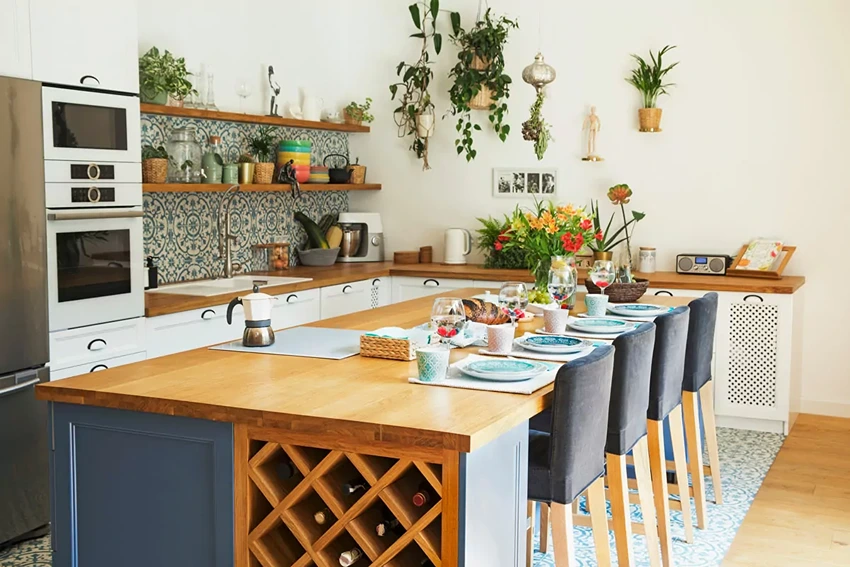
In interior design, green materials offer a blend of aesthetics and sustainability. One of the most impactful ways to incorporate these materials is through a green kitchen renovation, which not only enhances the visual appeal of the kitchen but also promotes a healthier and more sustainable living environment.
Application in Home Decor
- Furniture: Use of recycled or sustainable wood and plastics.
- Flooring: Bamboo, cork, and reclaimed wood as alternatives to traditional flooring.
Influence on Indoor Air Quality
- Low VOC Materials: Improve air quality inside homes.
- Natural Materials: Reduce the presence of allergens and toxins.
Trends in Eco-friendly Furniture. The demand for sustainable kitchen decor is on the rise, as homeowners seek to create spaces that are both stylish and environmentally responsible. This trend reflects a broader shift towards sustainability in interior design, where the choice of materials plays a crucial role in reducing the ecological footprint of our living spaces.
- Sustainable Materials: Growing demand for furniture made from eco-friendly materials.
- Design Innovation: Combining sustainability with modern design aesthetics.
Practical Applications of Green Design Materials
In Public Spaces
Green design materials are increasingly used in public spaces for both functionality and aesthetic appeal.
Parks and Recreational Areas
- Materials Used: Recycled plastic for playground equipment, reclaimed wood for benches.
- Benefits: Durable, low maintenance, and environmentally friendly.
Urban Infrastructure
- Materials Used: Bio-glass in bus shelters, bamboo in pedestrian bridges.
- Benefits: Innovative use, enhancing urban beauty while being sustainable.
In Commercial Buildings
The commercial sector is embracing green materials for both construction and interior design.
Office Buildings
- Materials Used: Hempcrete for walls, recycled metal for structural components.
- Benefits: Energy-efficient, promotes a healthier workplace environment.
Retail Spaces
- Materials Used: Cork flooring, bamboo display units.
- Benefits: Aesthetic appeal, eco-friendly, and customer attraction.
In Educational Institutions
Schools and universities are incorporating green materials to educate and inspire the next generation.
Classrooms and Laboratories
- Materials Used: Natural fiber carpets, low VOC paints.
- Benefits: Safer for students, reduces exposure to toxins.
Campus Infrastructure
- Materials Used: Green roofs, solar panels.
- Benefits: Energy efficiency, hands-on learning for sustainability studies.
Frequently Asked Questions
Green design materials are environmentally friendly materials used in construction and design, which are either natural, recycled, or have a low impact on the environment.
They are crucial for reducing environmental impact, promoting sustainability, and creating healthier living spaces.
Yes, while some may have a higher initial cost, they often lead to long-term savings in energy, maintenance, and replacement costs.
They typically have low or no VOC emissions, reducing indoor air pollution and improving overall air quality.
Many green materials match or exceed the durability of traditional materials, with added benefits of sustainability.
Related Posts

Future Kitchen Technologies: Revolutionizing Home Cooking and Design
The kitchen, often considered the heart…


Tech-Advanced Kitchen Design: The Future of Culinary Spaces
The kitchen, traditionally the heart of…