

In the realm of home design, the kitchen stands as a central hub of activity, a space where functionality meets aesthetics. With the growing emphasis on sustainability, low-impact kitchen designs have emerged as a significant trend, blending eco-friendliness with stylish, modern layouts. This article delves into the essentials of low-impact kitchen designs, exploring how they contribute to a sustainable lifestyle while offering practical and aesthetic benefits.
Key Takeaways:
- Low-impact kitchens focus on sustainability, energy efficiency, and waste reduction.
- They incorporate eco-friendly materials, smart technologies, and space-saving solutions.
- These designs are not only environmentally responsible but also cost-effective in the long run.
Introduction to Low-Impact Kitchen Designs
Low-impact kitchen designs represent a conscious shift towards sustainability in home design. These kitchens are characterized by their minimal environmental footprint, utilizing materials and technologies that reduce waste, conserve energy, and promote a healthier living environment.
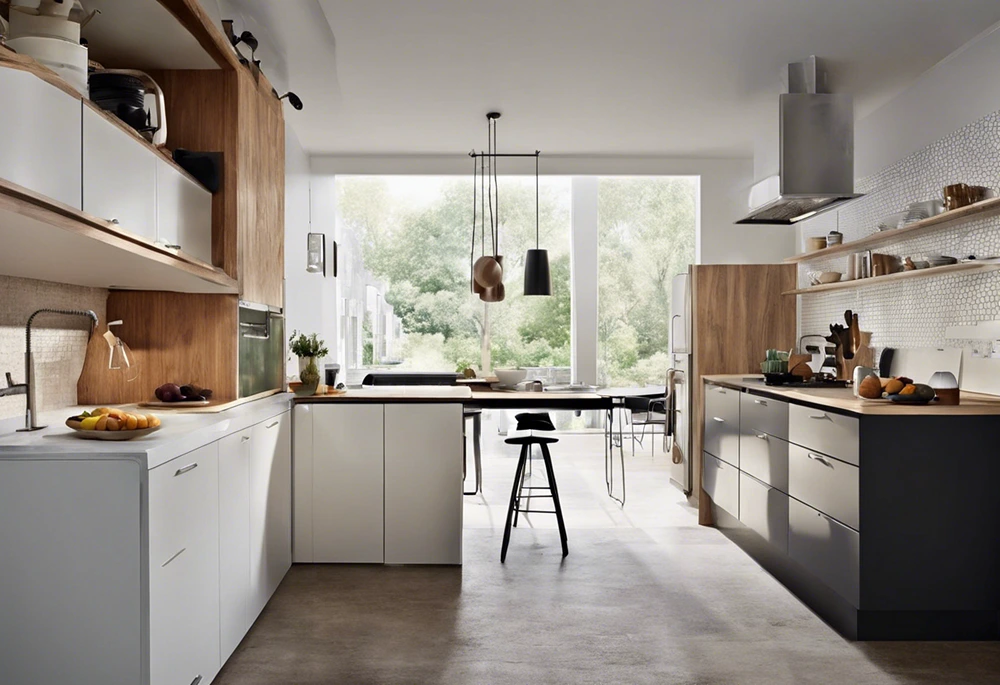
Key Elements of Low-Impact Kitchen Design
Sustainable Materials
- Recycled or renewable materials: Utilizing materials like bamboo, reclaimed wood, or recycled glass.
- Low VOC paints: Choosing paints that emit fewer volatile organic compounds.
Energy Efficiency
- Energy Star appliances: Opting for appliances that meet energy efficiency standards.
- Smart kitchen technologies: Incorporating devices that optimize energy use.
Waste Reduction Strategies
- Composting solutions: Integrating systems for organic waste management.
- Efficient water use: Installing low-flow faucets and water-efficient dishwashers.
Design Aesthetics in Low-Impact Kitchens
Color Schemes and Textures
- Natural hues: Embracing earthy tones and textures that reflect the natural world.
- Minimalist layouts: Adopting a clutter-free, functional design approach.
Minimalist and Functional Layouts
- Multi-functional furniture: Using pieces that serve multiple purposes.
- Open shelving: Reducing material use while keeping items accessible.
Innovations in Low-Impact Kitchen Appliances
Eco-friendly Appliances
- Energy-efficient refrigerators: Reducing greenhouse gas emissions and energy consumption.
- Induction cooktops: Offering a more energy-efficient alternative to traditional stoves.
Smart Kitchen Technologies
- Automated systems: Enhancing efficiency through smart lighting and thermostats.
- Energy monitoring: Using devices that track and optimize energy usage.
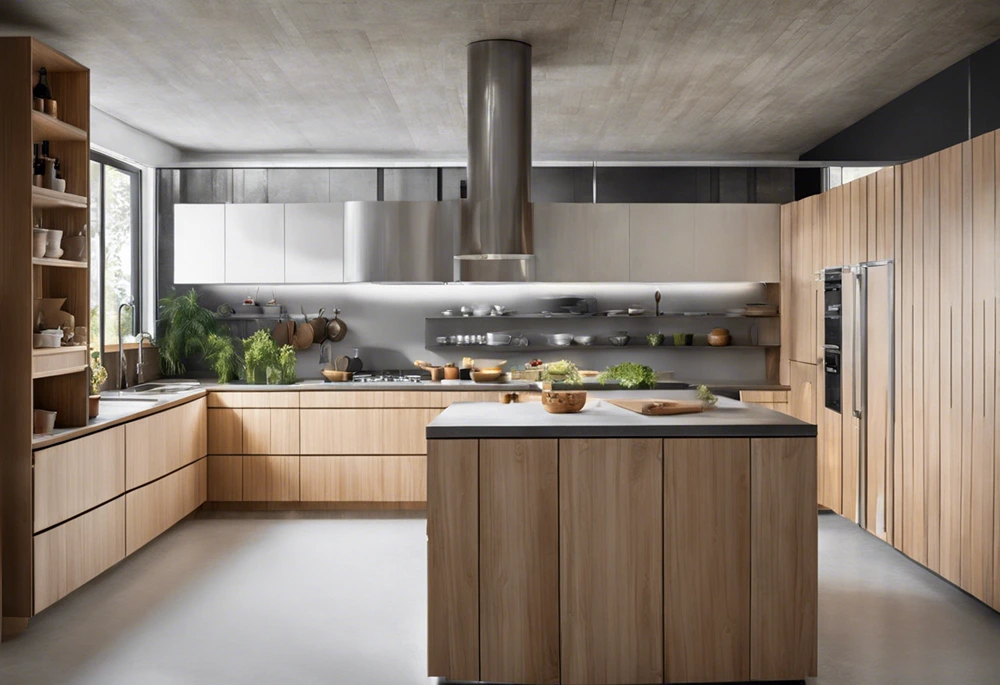
Implementing Low-Impact Features in Small Spaces
Space-saving Solutions
- Vertical storage: Maximizing space with wall-mounted shelves and racks.
- Compact designs: Creating functional layouts in limited spaces.
Multi-functional Furniture
- Transformable pieces: Furniture that can adapt to different uses and layouts.
- Built-in appliances: Integrating appliances into cabinetry for a seamless look.
Budgeting for a Low-Impact Kitchen Renovation
Cost-effective Materials
- Upcycling: Repurposing existing materials and fixtures.
- Affordable alternatives: Choosing less expensive but sustainable materials.
DIY vs. Professional Renovation
- Self-installation: Undertaking certain tasks to save on labor costs.
- Hiring professionals: Ensuring quality and efficiency in more complex projects.
Advanced Materials and Technologies in Low-Impact Kitchens
The advancement in materials and technology plays a pivotal role in shaping low-impact kitchens. Cutting-edge materials not only reduce environmental impact but also offer durability and aesthetic appeal.
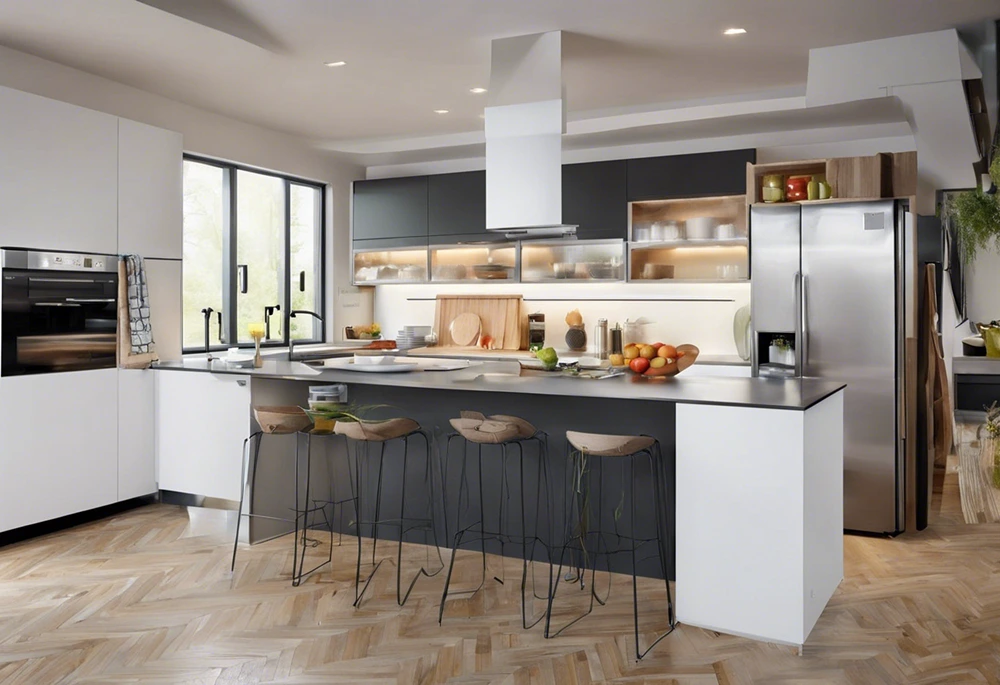
Cutting-edge Sustainable Materials
- Bio-based materials: Products made from renewable resources.
- Recycled content surfaces: Countertops and flooring containing recycled materials.
Advanced Energy-saving Technologies
- Solar-powered appliances: Harnessing renewable energy for kitchen use.
- Automated energy systems: Smart systems that adjust energy use based on need.
The Role of Lighting in Low-Impact Kitchen Design
Lighting is a crucial element in kitchen design, influencing both the functionality and the ambiance of the space. In low-impact kitchens, the focus is on maximizing natural light and using energy-efficient lighting solutions.
Natural Lighting Solutions
- Skylights and large windows: Enhancing natural light to reduce electricity use.
- Strategic placement: Positioning work areas near natural light sources.
Energy-efficient Artificial Lighting
- LED lighting: Long-lasting and energy-efficient lighting options.
- Smart lighting controls: Systems that adjust lighting based on occupancy and time of day.
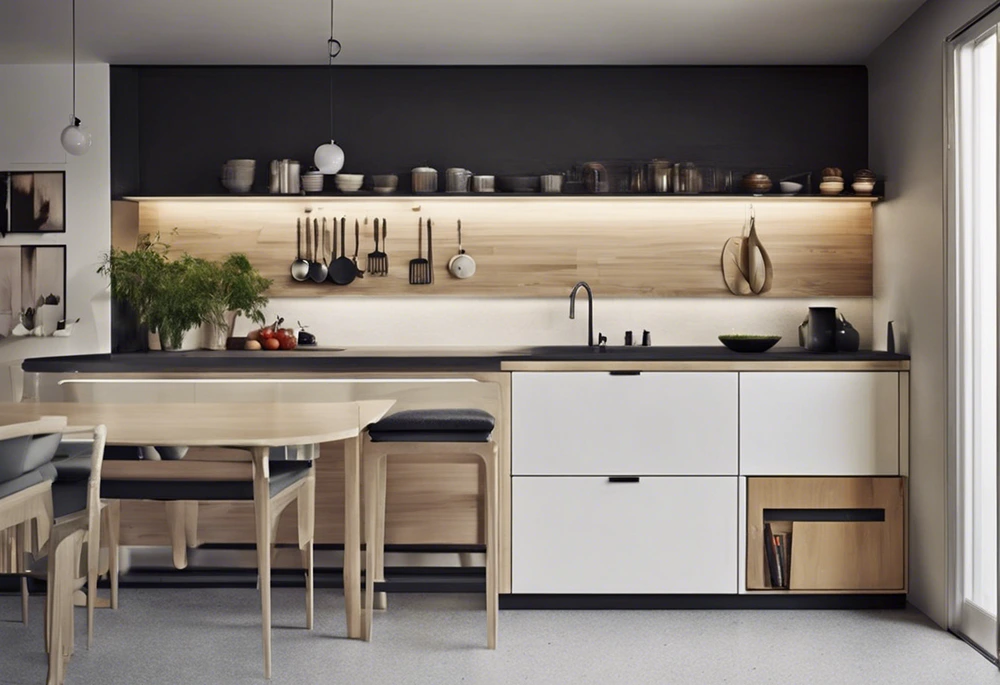
Maintaining a Low-Impact Kitchen
The sustainability of a low-impact kitchen extends beyond its design and construction. Ongoing maintenance and use play a significant role in ensuring its long-term environmental benefits.
Cleaning and Maintenance Tips
- Eco-friendly cleaning products: Using natural, non-toxic cleaning agents.
- Regular maintenance: Keeping appliances and fixtures in optimal condition.
Long-term Sustainability Practices
- Mindful usage: Conserving water and energy through conscious daily practices.
- Regular updates: Keeping up with new technologies and materials for continuous improvement.
Future Trends in Low-Impact Kitchen Design
As we look towards the future, low-impact kitchen designs are expected to evolve with advancements in technology and a deeper understanding of sustainable practices.
Predictions and Emerging Concepts
- Integration with smart home systems: Enhanced connectivity and automation.
- Biophilic design elements: Incorporating natural elements for well-being and sustainability.
Integration with Smart Home Systems
- IoT-enabled appliances: Appliances that communicate and optimize energy use.
- Home energy management systems: Centralized control of all home energy aspects.
Advanced Materials and Technologies in Low-Impact Kitchens
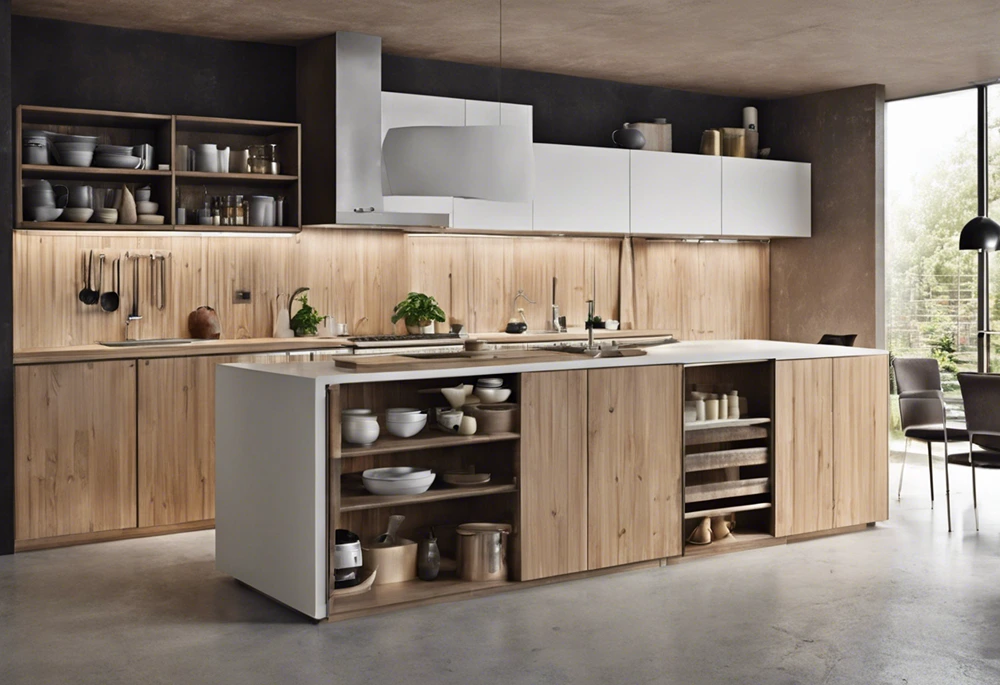
Cutting-edge Sustainable Materials
- Bio-based materials: Utilizing renewable resources for cabinetry and countertops.
- Recycled content surfaces: Incorporating materials with a lower environmental footprint.
Advanced Energy-saving Technologies
- Solar-powered appliances: Integrating renewable energy sources in kitchen appliances.
- Automated energy systems: Implementing systems that optimize energy consumption.
The Role of Lighting in Low-Impact Kitchen Design
Natural Lighting Solutions
- Skylights and large windows: Enhancing natural light to reduce electricity use.
- Strategic placement: Designing kitchens to maximize daylight exposure.
Energy-efficient Artificial Lighting
- LED lighting: Adopting energy-saving and long-lasting lighting solutions.
- Smart lighting controls: Using automated systems for efficient lighting management.
Maintaining a Low-Impact Kitchen
Cleaning and Maintenance Tips
- Eco-friendly cleaning products: Choosing non-toxic and biodegradable cleaning agents.
- Regular maintenance: Ensuring appliances and fixtures are in optimal condition.
Long-term Sustainability Practices
- Mindful usage: Adopting practices that reduce water and energy consumption.
- Regular updates: Keeping up with advancements in sustainable kitchen design.
Future Trends in Low-Impact Kitchen Design
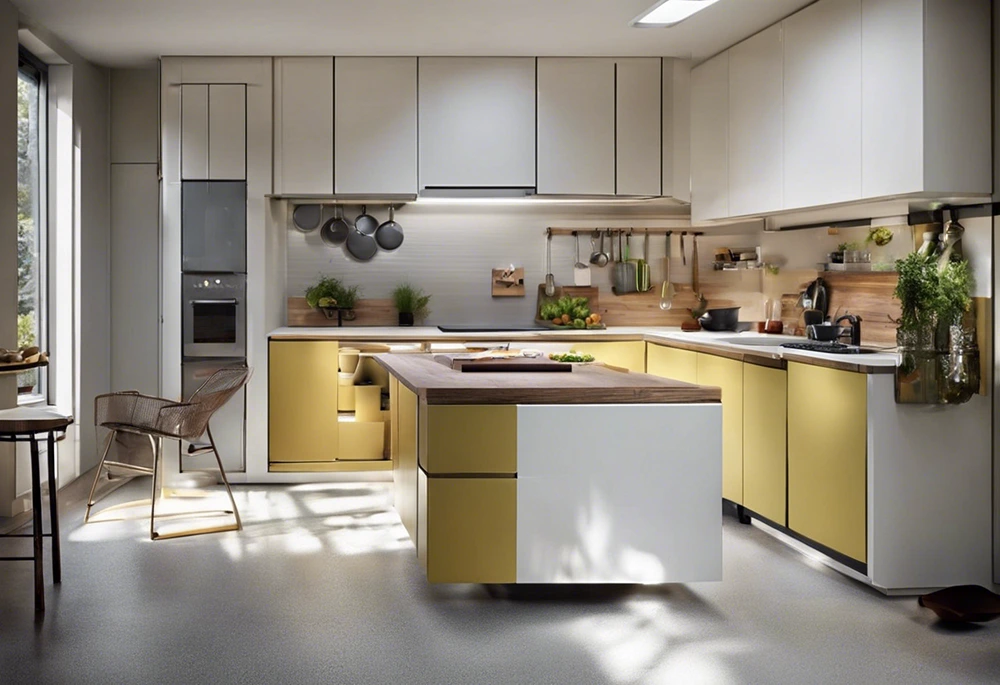
Predictions and Emerging Concepts
- Integration with smart home systems: Enhancing kitchen functionality through technology.
- Biophilic design elements: Incorporating natural elements for aesthetics and well-being.
Integration with Smart Home Systems
- IoT-enabled appliances: Facilitating efficient kitchen management through connectivity.
- Home energy management systems: Centralizing control for energy conservation.
Frequently Asked Questions
- Use of sustainable materials like bamboo or recycled glass.
- Incorporation of energy-efficient appliances and LED lighting.
- Implementation of waste reduction strategies, such as composting.
- Install Energy Star-rated appliances to reduce energy consumption.
- Use smart technologies for automated energy management.
- Opt for induction cooktops and energy-efficient refrigerators.
- Choose upcycled or reclaimed materials for cabinetry and countertops.
- Implement DIY solutions for storage and organization.
- Use low VOC paints and eco-friendly flooring options.
- They reduce carbon footprint by using energy-efficient appliances.
- Conserve natural resources through the use of sustainable materials.
- Promote a healthier living environment with non-toxic materials.
Related Posts

Future Kitchen Technologies: Revolutionizing Home Cooking and Design
The kitchen, often considered the heart…


Tech-Advanced Kitchen Design: The Future of Culinary Spaces
The kitchen, traditionally the heart of…