

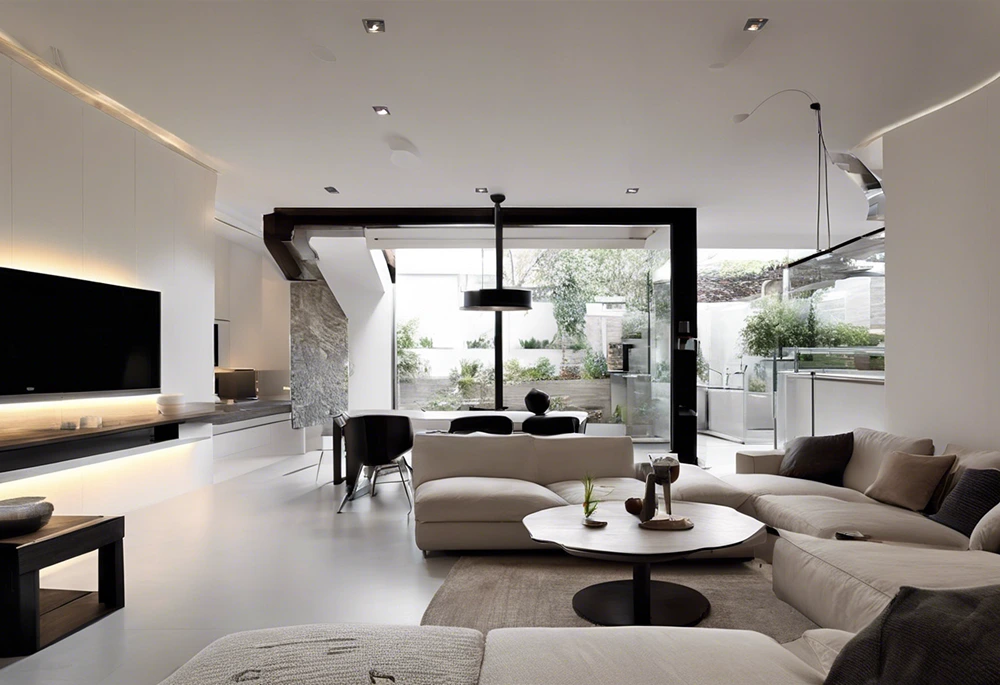
Minimalist lighting is not just about choosing the simplest lamp or fixture. It’s an art of balancing functionality, aesthetics, and simplicity to create spaces that are both inviting and visually striking. This approach to lighting plays a pivotal role in modern interior design, offering a way to enhance spaces without overwhelming them.
Key Takeaways:
- Minimalist lighting focuses on simplicity, functionality, and clean lines.
- It enhances the architectural beauty of a space without adding clutter.
- Modern lighting techniques, like recessed lights and LED fixtures, are key in minimalist designs.
- The integration of natural light is crucial in minimalist lighting.
- Adjustable and versatile lighting fixtures are preferred for their functionality.
The Essence of Minimalist Lighting in Modern Design
Understanding the Basics
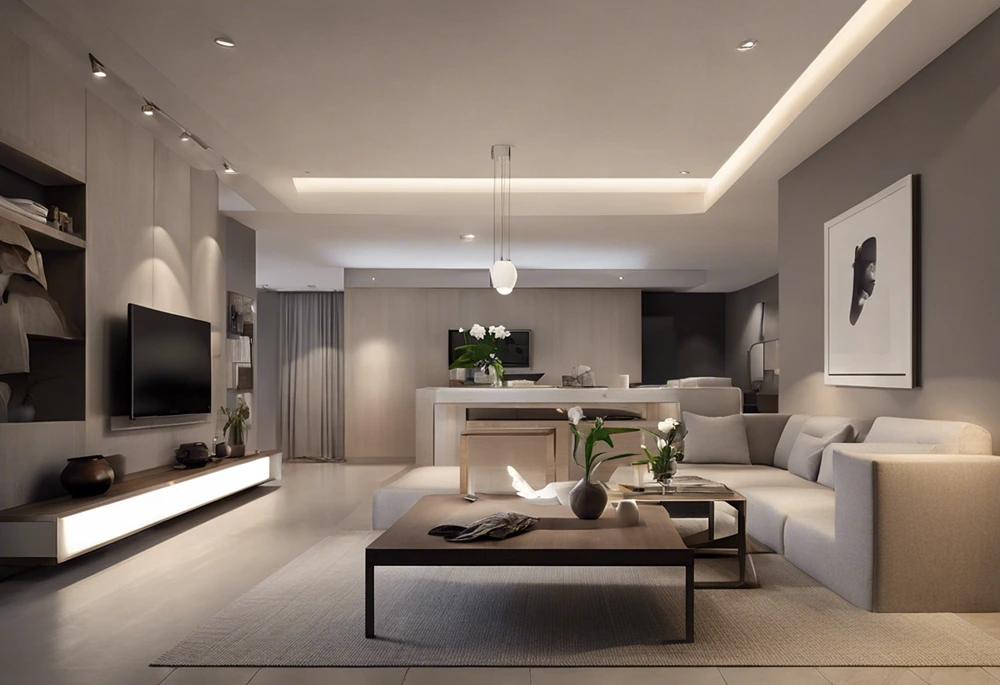
Minimalist lighting is rooted in the principles of minimalism – a design philosophy centered around the idea of ‘less is more’. This approach emphasizes clean lines, uncluttered spaces, and a monochromatic color scheme with color accents. In minimalist lighting, the focus is on the beauty of the space itself rather than on decorative elements.
Characteristics of Minimalist Fixtures
- Simplicity and Functionality: The fixtures are designed to be simple yet functional, often featuring geometric shapes and neutral colors.
- Integration with Architecture: These fixtures blend seamlessly with the space, complementing its architectural features.
- Subtlety in Design: Minimalist lighting avoids ornate details, focusing instead on understated elegance.
Modern Lighting Ideas for Minimalist Interiors
Innovative Fixture Types
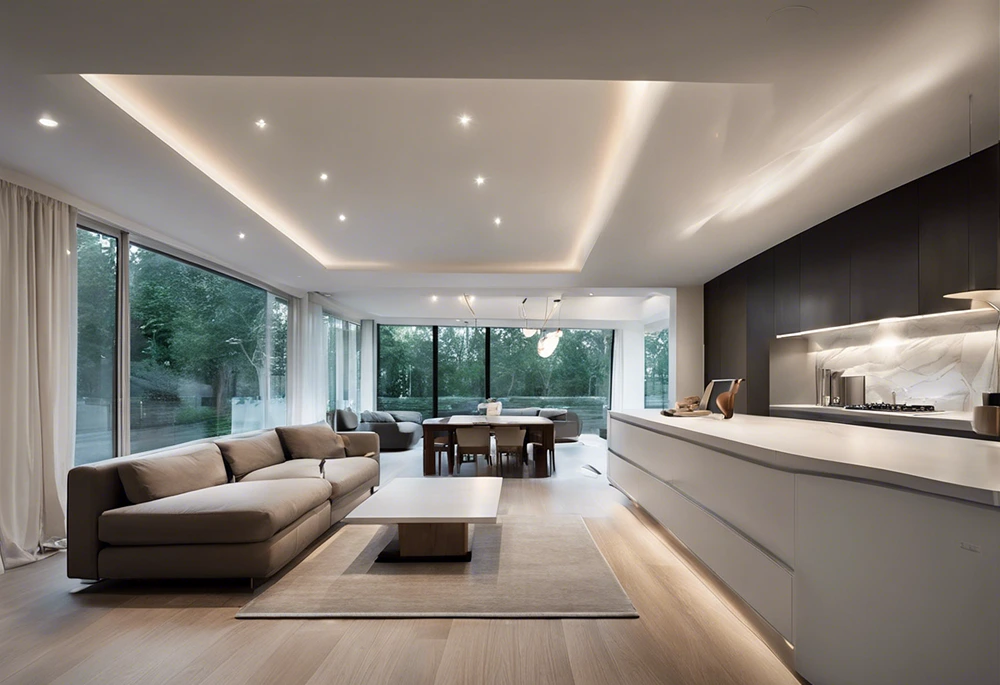
- Recessed Lights: Perfect for highlighting crisp lines and adding a subtle glow.
- Pendant Lights: Ideal for task lighting, especially in kitchens and workspaces.
- LED Lighting: Offers a resemblance to natural light, energy efficiency, and longevity.
Strategic Placement and Arrangement
- Layering Lights: Incorporate task, ambient, and accent lighting for a balanced approach.
- Lighting Zones: In open floor plans, use lighting to define different areas without physical dividers.
- Natural Light Maximization: Utilize large windows and skylights to bring in sunlight, complemented by artificial lighting.
Integrating Minimalist Lighting in Various Room Settings
Living Room Lighting Strategies
- Ambient Lighting: Use ceiling-mounted fixtures or recessed lighting for a general glow.
- Task Lighting: Floor lamps or adjustable wall sconces near reading areas or workspaces.
- Accent Lighting: Highlight art pieces or architectural features with directional spotlights.
Bedroom and Dining Area Solutions
- Bedroom: Soft, diffused lighting for a relaxing atmosphere, with bedside lamps for reading.
- Dining Area: A statement pendant light or a series of recessed lights above the dining table.
Bathroom and Kitchen Lighting Ideas
- Bathroom: Waterproof recessed lights in the shower area, with LED vanity lights for even illumination.
- Kitchen: Under-cabinet LED strips for task lighting and a central ceiling fixture for ambient light.
Creative Installation Techniques
Artistic Arrangements
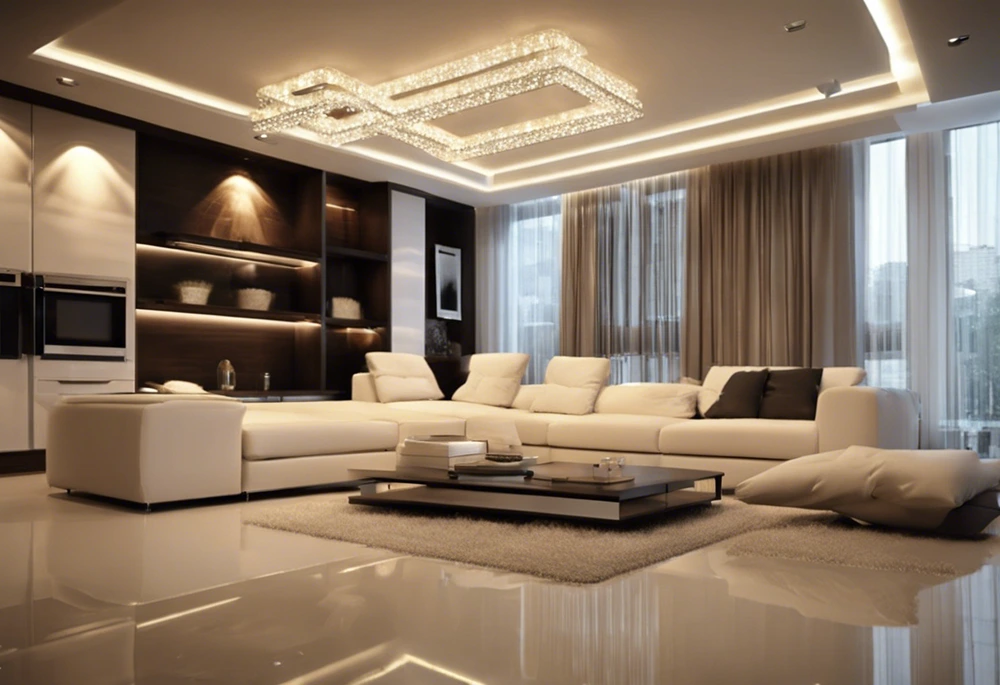
- Clustered Pendants: Create a focal point with a group of pendant lights at varying heights.
- Asymmetrical Layouts: Place lights in an irregular pattern for a modern, dynamic look.
Mixing and Matching Different Light Sources
- Combining Styles: Pair minimalist fixtures with different textures or materials for contrast.
- Layered Lighting: Use a mix of light sources, like floor lamps with ceiling fixtures, for depth.
The Role of Color and Texture
Impact of Color Choices
- Neutral Tones: Stick to black, white, or metallic finishes for a classic minimalist look.
- Accent Colors: Use fixtures with subtle color accents to complement the room’s palette.
Texture and Material Considerations
- Matte Finishes: Opt for fixtures with matte surfaces for a modern, sophisticated feel.
- Natural Materials: Incorporate elements like wood or stone for a touch of warmth.
Technological Advancements
Smart Lighting Solutions
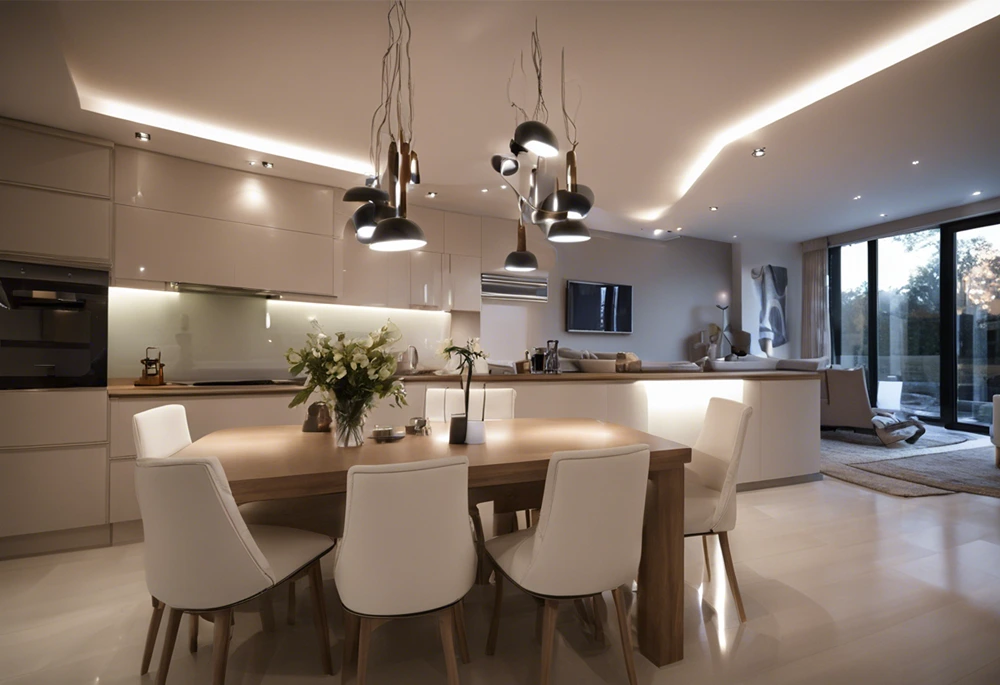
- App-Controlled Lights: Adjust brightness and color temperature with smartphone apps.
- Motion Sensors: Automate lighting based on movement for convenience and energy savings.
Energy Efficiency and Sustainability
- LED Technology: Embrace LED lights for their lower energy consumption and longer lifespan.
- Eco-Friendly Materials: Choose fixtures made from sustainable or recycled materials.
Tables with Relevant Facts
| Feature | Benefit |
| LED Lighting | Energy-efficient, long-lasting, mimics natural light |
| Recessed Lights | Subtle, enhances architectural features |
| Smart Lighting | Customizable, convenient, energy-saving |
| Room | Lighting Strategy |
| Living Room | Ambient, task, and accent lighting |
| Bedroom | Soft, diffused light with task lighting |
| Kitchen | Under-cabinet and central ambient lighting |
Minimalist lighting is not just a design choice; it’s a lifestyle choice that reflects a preference for simplicity, functionality, and beauty. By understanding and implementing these principles, you can transform any space into a serene, elegant, and modern environment.
Advanced Concepts in Minimalist Lighting
Adjustable and Smart Lighting
- Flexibility in Illumination: Adjustable lights like track lights and ceiling spotlights offer the versatility needed in minimalist designs.
- Smart Lighting: Incorporating technology for ease of control and energy efficiency.
Energy Efficiency and Sustainability
- LED Dominance: LED lighting is not only energy-efficient but also mimics natural light, making it a top choice for minimalist interiors.
- Eco-Friendly Choices: Opting for sustainable materials and energy-saving technologies.
Tables with Advanced Lighting Concepts
| Lighting Type | Features | Benefits |
| LED Lighting | Mimics natural light, energy-efficient | Long-lasting, cost-effective |
| Smart Lighting | Adjustable, app-controlled | Customizable, energy-saving |
| Adjustable Lights | Flexible, multi-directional | Versatile, functional |
Frequently Asked Questions
- Maximizing Space: Minimalist lighting can make small spaces appear larger by eliminating clutter and focusing on simple, functional designs.
- Strategic Placement: Using lighting to define areas and create the illusion of more space.
- Ambient Lighting: Soft, overhead lighting to create a welcoming atmosphere.
- Task Lighting: Floor or table lamps for reading and other activities.
- Accent Lighting: Spotlights to highlight artwork or architectural details.
- Dual Purpose: Minimalist lighting is designed to be both aesthetically pleasing and highly functional.
- Design Integration: Lighting fixtures that complement the room’s architecture and decor.
Table: FAQ Insights
| Question | Insight |
| Enhancing Small Spaces | Use minimalist lighting to create a sense of openness |
| Living Room Options | Combine ambient, task, and accent lighting for balance |
| Functionality and Decor | Choose fixtures that serve both purposes effectively |
Related Posts

Future Kitchen Technologies: Revolutionizing Home Cooking and Design
The kitchen, often considered the heart…


Tech-Advanced Kitchen Design: The Future of Culinary Spaces
The kitchen, traditionally the heart of…