

The concept of a smart kitchen is rapidly transforming the landscape of home cooking and commercial food preparation. With the integration of advanced technology, kitchens are becoming safer, more efficient, and more user-friendly. This article delves into the various aspects of smart kitchen safety features, exploring how they are reshaping kitchen design trends and enhancing the overall cooking experience.
Key Takeaways
- Smart kitchens incorporate technology for enhanced safety and efficiency.
- Core components include smart smoke detectors, automated fire suppression systems, and intelligent lighting.
- Smart appliances play a crucial role in preventing accidents and ensuring food safety.
- Design trends focus on the seamless integration of safety features with user-friendly interfaces.
Introduction to Smart Kitchen Safety
A smart kitchen represents a blend of technology and culinary space, where safety is paramount. The integration of smart devices and IoT (Internet of Things) has led to kitchens that are not only more efficient but also significantly safer.
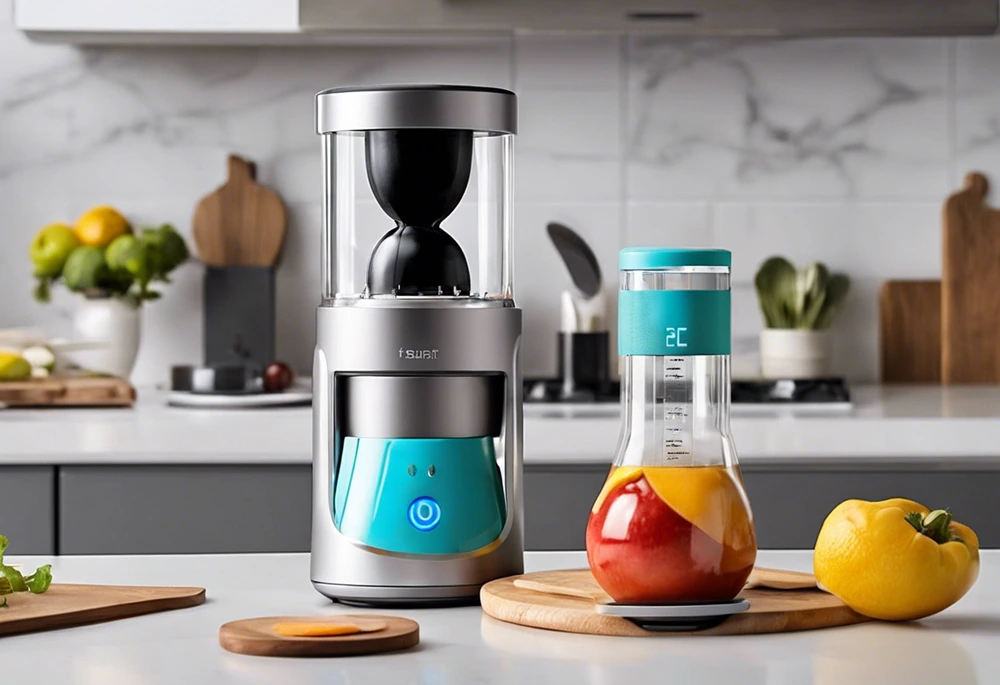
Evolution from Traditional to Smart Kitchens
The journey from conventional to smart kitchens marks a significant shift in how safety is perceived and implemented. Traditional kitchens relied on manual oversight for safety, whereas smart kitchens use technology to proactively manage risks.
Historical Perspective on Kitchen Safety
- Traditional kitchens: Manual checks and basic appliances.
- Early safety features: Basic fire extinguishers and smoke alarms.
Transition to Smart Kitchen Technologies
- Integration of IoT: Connected appliances for real-time monitoring.
- Automated safety responses: Systems that react instantly to potential hazards.
Core Components of a Smart Safety Kitchen
Smart kitchens are equipped with a range of safety features, each designed to address specific risks associated with cooking and food preparation.
Smart Smoke Detectors and Gas Leak Sensors
These devices are essential for early detection of smoke and gas leaks, providing timely alerts to prevent accidents.
Automated Fire Suppression Systems
- Function: Automatically detect and extinguish fires.
- Benefits: Minimize damage and enhance safety.
Intelligent Lighting for Safety and Convenience
- Adaptive lighting: Adjusts brightness based on time of day and activity.
- Emergency lighting: Activates during power outages or emergencies.

Integrating Smart Appliances for Enhanced Safety
The role of smart appliances in kitchen safety cannot be overstated. They not only make cooking more convenient but also significantly reduce the risk of accidents.
Smart Ovens and Stovetops with Auto Shut-off Features
- Auto shut-off: Prevents overheating and potential fires.
- Remote monitoring: Allows users to control appliances via smartphones.
Smart Refrigerators and Food Safety
- Temperature monitoring: Ensures food is stored at safe temperatures.
- Spoilage alerts: Notifies users of potential food spoilage.
Connectivity and Remote Monitoring for Accident Prevention
- Remote access: Control appliances from anywhere.
- Real-time alerts: Immediate notifications of any irregularities.
Design Trends in Smart Kitchen Safety
The design of smart kitchens is evolving to incorporate safety features seamlessly into the modern aesthetic.
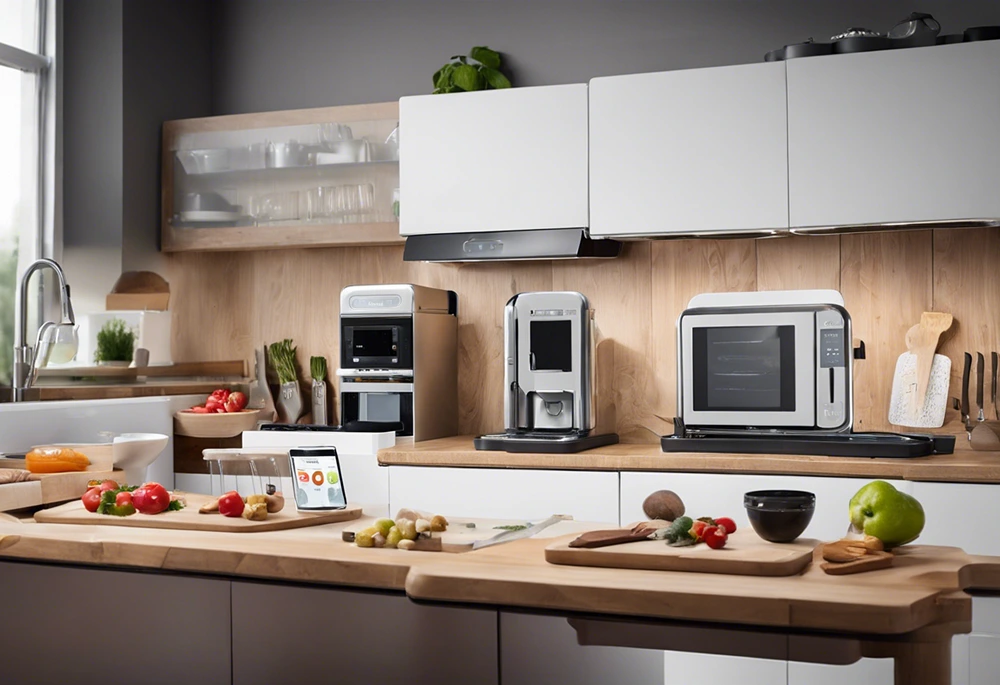
Aesthetic and Functional Integration of Safety Features
- Sleek designs: Safety features that blend with kitchen decor.
- User-friendly interfaces: Intuitive controls for all age groups.
Trends in Smart Kitchen Design for Safety
- Minimalist approach: Less clutter, more safety features.
- Eco-friendly materials: Sustainable and safe kitchen designs.
Implementing Smart Safety Features: A Step-by-Step Guide
Adopting smart safety features in a kitchen requires careful planning and consideration of various factors.
Planning and Budgeting for Smart Safety Upgrades
- Assessment: Evaluate existing safety measures.
- Budgeting: Allocate funds for necessary upgrades.
Choosing the Right Smart Safety Appliances and Tools
- Research: Identify the best appliances for your needs (Guide to Smart Kitchens).
- Compatibility: Ensure devices are compatible with existing systems.
Installation and Maintenance Considerations
- Professional installation: Ensure proper setup for optimal performance.
- Regular maintenance: Keep devices in top working condition.
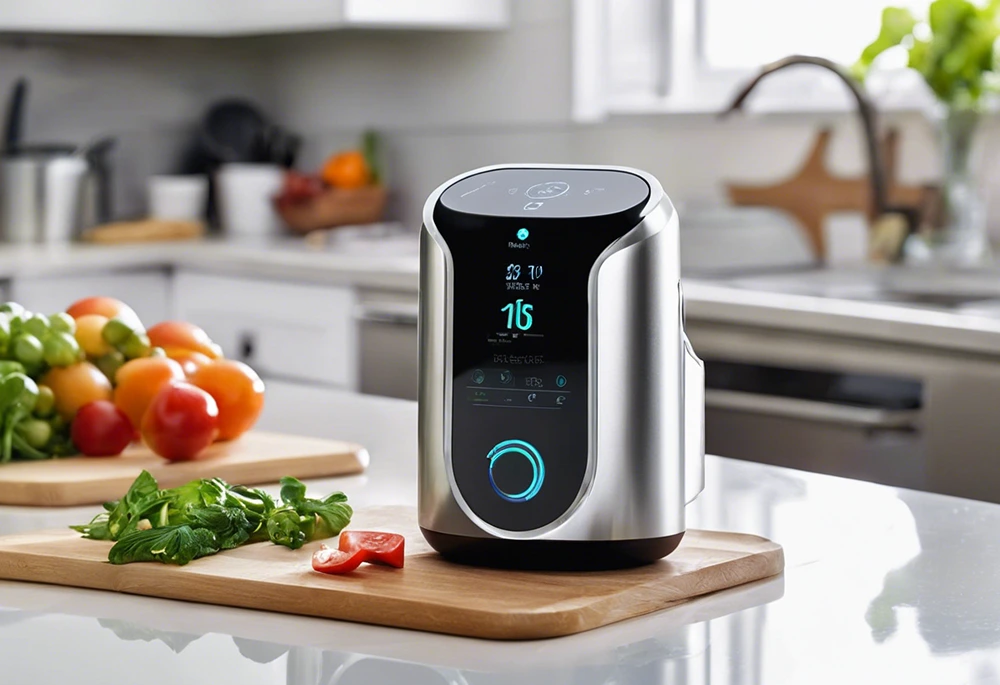
The Future of Kitchen Safety: Innovations on the Horizon
The realm of smart kitchen safety is constantly evolving, with new technologies emerging to make kitchens even safer and more efficient.
Upcoming Trends in Smart Kitchen Safety Technologies
- AI-Driven Appliances: Future kitchens will likely see more AI integration, making appliances smarter and more responsive to user needs.
- Advanced Sensor Technology: Enhanced sensors for better detection of hazards like gas leaks or overheating.
The Role of AI and Machine Learning in Kitchen Safety
- Predictive Maintenance: AI can predict appliance malfunctions before they occur, ensuring timely maintenance.
- Customized Safety Protocols: Machine learning algorithms can adapt safety features based on user behavior and preferences.
Predictions for Future Kitchen Safety Solutions
- Voice-Controlled Safety Features: More sophisticated voice command capabilities for hands-free operation.
- Integrated Safety Networks: A network of interconnected devices working together to enhance overall kitchen safety.
Frequently Asked Questions About Smart Kitchen Safety
Addressing common queries and concerns about smart kitchen safety features.
Smart kitchens use technology like sensors and automation to prevent accidents and improve response times to potential hazards.
Yes, considering the added safety, convenience, and potential energy savings, smart kitchens are a worthwhile investment.
Absolutely, many smart kitchen devices are designed to be retrofitted into existing kitchens. (Setting Up a Smart Kitchen)
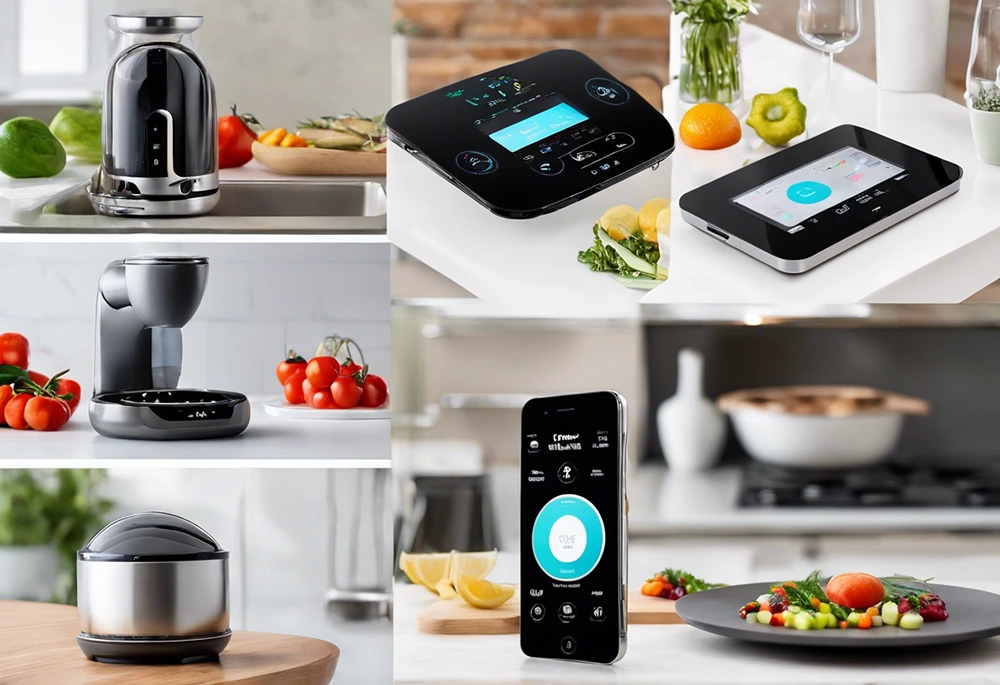 Tables Packed with Value and Useful Information
Table 1: Comparison of Traditional vs. Smart Kitchen Safety Features
| Feature | Traditional Kitchen | Smart Kitchen |
| Smoke Detection | Manual Check | Automated Alerts |
| Fire Suppression | Basic Extinguishers | Integrated Systems |
| Appliance Safety | Manual Monitoring | Remote Control & Alerts |
| Lighting | Standard | Adaptive & Emergency Modes |
Table 2: Smart Kitchen Safety Features and Their Benefits
| Safety Feature | Benefit |
| Smart Smoke Detectors | Early detection of smoke |
| Automated Fire Systems | Quick response to fire incidents |
| Intelligent Lighting | Enhanced visibility and safety |
| Remote Appliance Control | Prevent accidents and energy wastage |
Related Posts

Future Kitchen Technologies: Revolutionizing Home Cooking and Design
The kitchen, often considered the heart…


Tech-Advanced Kitchen Design: The Future of Culinary Spaces
The kitchen, traditionally the heart of…