Whether you need to add up more living space or want a quiet corner in the house, a loft can be the best option for you. This topmost part of your house can make for a comfortable living space that you can use to lounge in. Not only for relaxing, but you can also use it as an open kitchen, guest bedroom or even a hobby room.
While making the house extensions such as orangery can cost you a fortune, loft conversions are generally more reasonable and there are dozens of ways to design them. So if you want to utilize this extra space of your house smartly, read this article until the end. Here we will go through the different kinds of loft conversions along with recommendations.
All the Different Types of Loft Conversion
Before planning any remodelling project at your property, it is crucial to know your house’s needs, budget, and room settings. Let’s go through the types of conversions you need to know before going ahead with your remodelling project.
Roof Light Loft Conversions
One of the most reasonable options for your house is a roof light conversion. In fact, you do not need to modify the structure of the roof. To make this spare space livable, you only need to add the skylight window, proper flooring and a stairway, and you are good to go while gazing at the bright starry sky. Although, you require plenty of headspace without any extension for roof light loft conversions.
We want to highlight the fact that you will need a planning permit in case it includes a roof light. The major reason for this is that this sort of change doesn’t need much labour time or disruption. This type of conversion also gives you a cosier living space to consider.
Dormer Loft Conversions
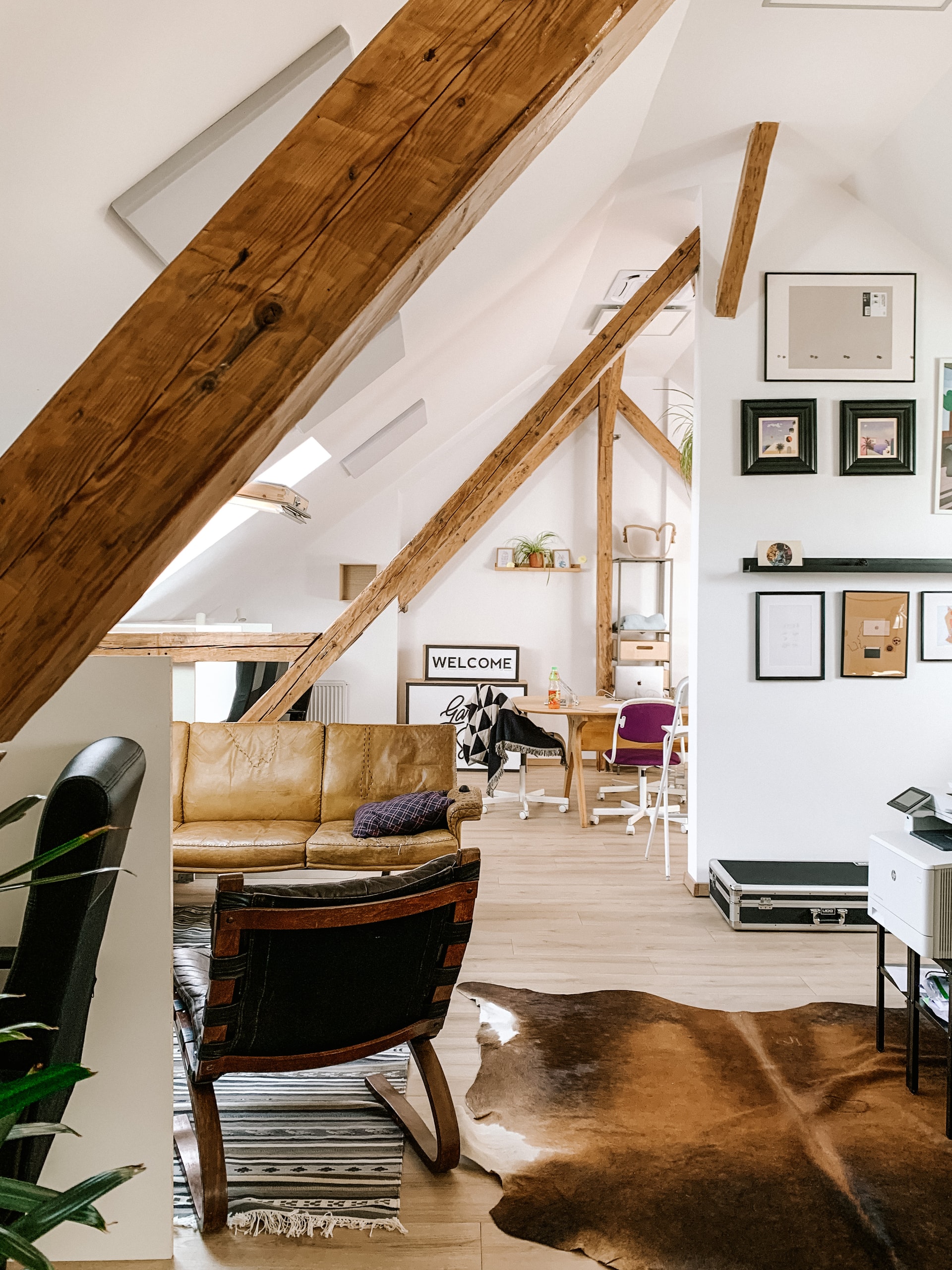
The most frequent type of loft conversion is a dormer. It is the shape of a box that rises from the existing roof’s slope. This loft extension does not generally necessitate any major modifications, and normal windows are sufficient to install it.
A sloping roof, on almost any home, gives you the opportunity to installer a dormer loft. Furthermore, this type of conversion is cheaper than the other types, although it is pricier than the above roof light ones. The finest part is that it provides higher headroom and ground space compared to the other lofts
Dormers don’t need planning authorisation and there is no need to worry about any paperwork. In addition, headroom and floor space are important when it comes to making the most out of your living space; adding a glass balcony makes your conversion feel like extra light for the indoor spaces.
On a side note, a dormer does not depict the visual charm of other types of conversions, but it does offer plenty of living space.
Hip-to-Gable
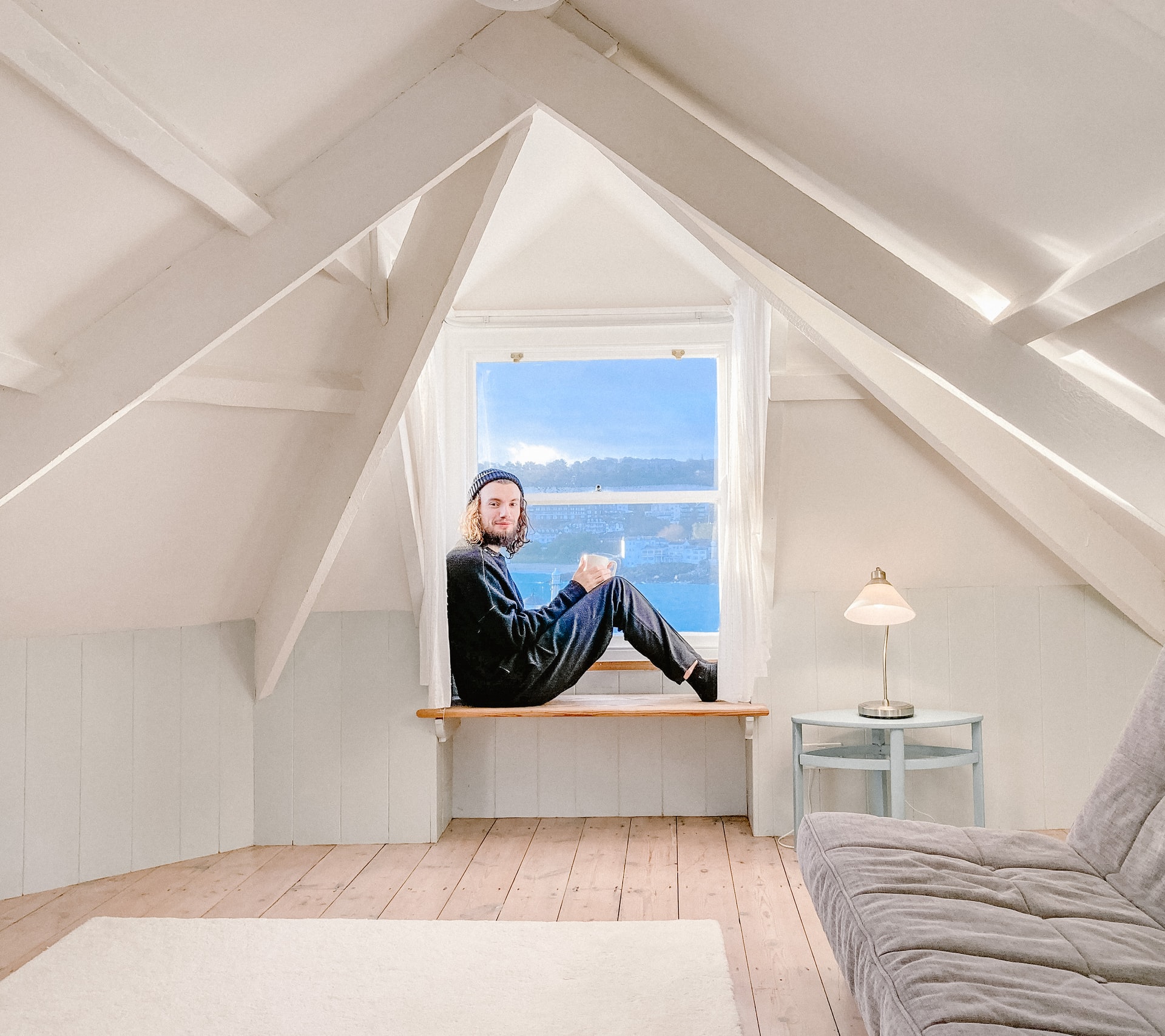
A slanted roof may be converted to a vertical wall from one side of your house to the other. Because it requires a free-slanting roof for transformation, you can use it on detached homes or at the end of a terrace. This kind of loft is normally done in the back dormer, but you may build it on both sloping sides of the loft to get more living space in your attic room.
A hip-to-gable loft is great for detached homes or villas. This conversion type does not cost as much as a conservatory or orangery, but still adds value to the property.
With all the above in mind, it is essential to remember that there is planning permission involved if you previously constructed the permitted extensions to your house. Also, a hip-to-gable is not achievable if the roof space is not high nor big enough.
Mansard
Also called attics, these stretch end to end with your home’s dimensions while altering the roof slope straight up. You should note that, in this case, a mansard changes the form of a roof completely, making it practically vertical from sloped.
While this form of conversion costs a handsome amount of money due to the labour involved, they are by far an excellent approach to get a considerably higher amount of living space. On top of that, they are compatible with most home types, such as terraced homes, completely detached and partially detached houses.
A mansard is a multipurpose room utilised for various purposes. After converting the room, your property value will drastically increase. The roof is transformed into two stories, providing much more living area.
L-Shaped Loft Conversions
This type of restructuration comprises two dormers that join together to form one large room. Looking at its structure, one end of the dormer rests on the main roof of the house while the other end stands upon the rear extension of the house.
You may create two rooms or a single large room together with a featured extra bathroom. That said, since this is the largest conversion type, you’ll need to spend more money on it.
The main benefit of choosing an L-shaped for your property is that you can get more living space. Also, you can increase the headspace in the property and it adds resale value.
The drawback here is that you cannot install them in the house without an existing rear extension.
The Takeaway
Choosing the ideal loft conversion type might be difficult. However, if you know precisely what you want and need from loft conversion, you can focus your thoughts on finding the finest one.
If you have a specific budget but want your area to be bright, we recommend replacing your roof. Roof light conversions, on the other hand, generally result in less living space, so dormer modifications are more common.
The detached house may be converted from hip to gable, but mansards can match almost all types of properties. Finally, the L-shaped conversion type does offer a lot of living space, but it necessitates the addition of a rear extension.
In conclusion, this was everything you should know about the types of loft conversion you can choose from, their pros and cons, and ultimately this knowledge should help you pick the one that is best for your home.